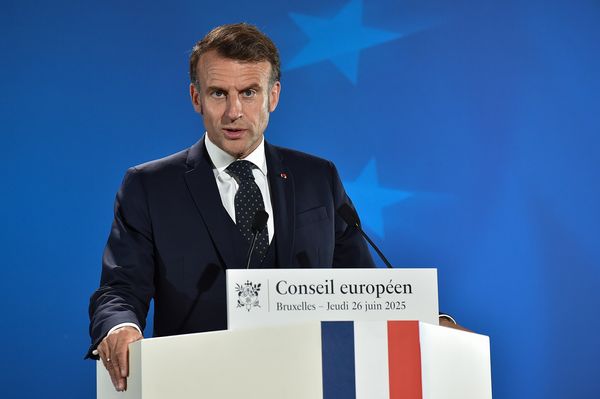
Even as Russia’s Ukraine invasion completed six months on August 24, India voted against a Russian motion at the UN Security Council that sought to bar Ukrainian President Volodymyr Zelensky from addressing the council virtually. The Russians said President Zelensky should either come to New York in person to address the council or let his envoy do the job. But India, along with 12 members of the Security Council voted against the motion, while China abstained. Officials later said the Indian position on the Ukraine war hadn’t changed and that the vote was not against Russia. “My understanding is that we have not voted against anybody. It was a proposal to allow him [Zelensky] to speak virtually, and we allowed it,” The Ministry of External Affairs spokesperson, Arindam Bagchi, told reporters in New Delhi. However, the vote is significant as it’s the first time since the war began India voted against a Russian motion at an international forum.
India’s official position is that it supports talks between Russia and Ukraine, while it has refused to join the West-led sanctions on Russia. In the recent past, India had expressed its unhappiness with the situation in Ukraine without resorting to ant name calling. The UN vote comes a few days after Ukraine’s Foreign Minister sharply criticised India’s continuing economic ties with Russia. In a virtual media interaction, Dmytro Kuleba said on August 17, “When India purchases Russian crude oil [at a discount], they have to understand that the discount has to be paid by Ukrainian blood. Every barrel of Russian crude that India gets, has a good portion of Ukrainian blood in it.” He added that Ukraine expected “more practical support” from India.
Meanwhile, the war seems to have entered into a perilous stalemate. On August 24, Ukraine’s Independence Day which also marked six months of the invasion, Mr. Zelensky said his country would fight “till the end”. On the same day, Russia carried out a massive strike at a railway station in central Ukraine, which showed that Russia can continue to bomb the country at its will, though it’s not clear whether these attacks will have any meaningful impact on the battlefield. In this editorial, The Hindu argues that the war is hurting, either militarily or economically, all sides—Ukraine, Russia and the West — and that the way forward is a ceasefire followed by peace talks between Russia and Ukraine, something modelled after the UN and Turkey-mediated talks that saw a breakthrough in shipping Ukrainian grains via the blockaded Black Sea.