Countless people have been let down by U.S. hospital systems. In response, a new wave of healthcare startups is emerging. With a patient-first focus and tech-driven efficiency, these companies aim to transform the patient experience for the better. Haven Headache & Migraine Center is one of these new ventures.
Those who live with migraine know the unique frustration that comes with waiting months for appointments and having their concerns dismissed by clinicians. The team behind Haven is making specialist care more accessible, and many with migraine are finding relief sooner than they thought possible.
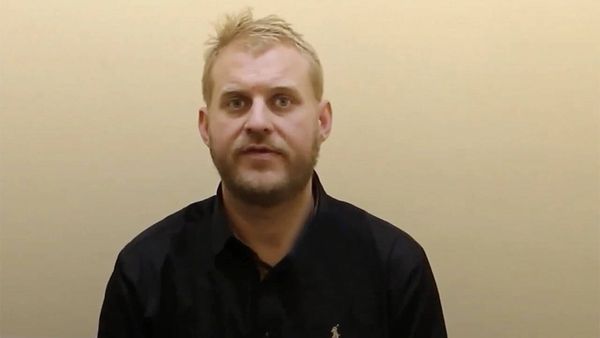
Izac Ross, Haven's founder and CEO, has lived with migraine since the age of two. His vision was the company's starting point, but his unique team of medical professionals and tech-startup veterans helped make Haven a reality.
Ross says that working with tech and startup leaders has given Haven an advantage, but he's quick to clarify that his primary focus is on healthcare, not technological innovation.
"Haven isn't a tech company trying to do healthcare — we're a clinic," he says. "What I brought from my background in technology isn't a 'move fast' mentality; it's a discipline around how you build something well."
"That means being obsessive about the patient experience at every touchpoint. It means using data to understand what's actually working for patients and what isn't," he continues. "It means not accepting 'this is how it's always been done' as a sufficient reason to keep doing it."
Anyone with a background in technology understands the importance of an intuitive user interface. The Haven team's commitment to constant optimization is creating a faster, easier patient experience.
"The discipline of building products that people actually love, where you're constantly asking 'why is this confusing' or 'why is this creating friction,' translates directly into building a better clinic," says Ross. "The difference is that in healthcare, the stakes are people's health, so the rigor has to be even higher."
That isn't to say that the healthcare industry hasn't seen countless innovations of its own. However, research and investment interests aren't distributed equally across every specialty, and Ross points out that migraine care has remained relatively stagnant over the past decades. There's no singular reason why.
"Migraine has been historically dismissed and underfunded, partly because it disproportionately affects women and partly because it's a condition that's hard to see on imaging — there's no dramatic scan to show a patient," Ross says. "That's made it historically less interesting to hospital systems and to investors."
For most people with migraine, the journey to treatment starts with a visit to a primary care physician. However, the complexities of migraine often require the experience of a specialist, and for many patients, connecting with a headache specialist is next to impossible.
"Migraine is a condition that has genuinely been under-resourced in terms of specialist training. There are only about 800 board-certified headache specialists in the United States for 40 million migraine patients," Ross explains. "That math is catastrophic."
He notes that the lack of effective treatment options isn't the main issue for people with migraine. For example, calcitonin gene-related peptide (CGRP) treatments are a promising innovation in migraine prevention, but for many, they're difficult to access.
"The new CGRP medications have changed what's pharmacologically possible, but delivery of care hasn't kept up," he says. "The infrastructure to actually get those treatments to patients efficiently, with proper follow-up and titration, is largely still missing. That's the gap Haven is addressing."
Haven's virtual care model lets new patients connect with a headache specialist in weeks instead of months. But perhaps even more critically, it's built to ensure that patients have continuous care in between appointments.
Once a patient consults a clinician and receives a personalized care plan, they keep a text-based diary. Haven's team monitors for potential side effects and worsening symptoms, intervening when necessary.
Haven Headache & Migraine Center takes an evidence-based approach to migraine treatment and connects patients with both acute and rescue medications. Critically, Haven also assists patients in navigating their health insurance policies.
Effective migraine treatment often requires more than just pharmaceutical intervention. Clinicians can also recommend naturopathic supplements, lifestyle changes, and even treatment devices to help patients work toward better health.
Currently, Haven offers care to patients in California and plans to launch care options in Washington and Texas by the end of the year. But as more patients and clinicians start to understand the efficiency and effectiveness of virtual-first care, the team hopes to expand.
Thanks to an unlikely alliance between world-renowned headache specialists and former tech operators, relief appears to be within reach for those living with migraine.