Get all your news in one place.
100’s of premium titles.
One app.
Start reading
Grocery Coupon Guide
Catherine Reed

How Grocery Stores Use End-Of-Aisle Displays to Trick You Into Extra Purchases

Image source: shutterstock.com

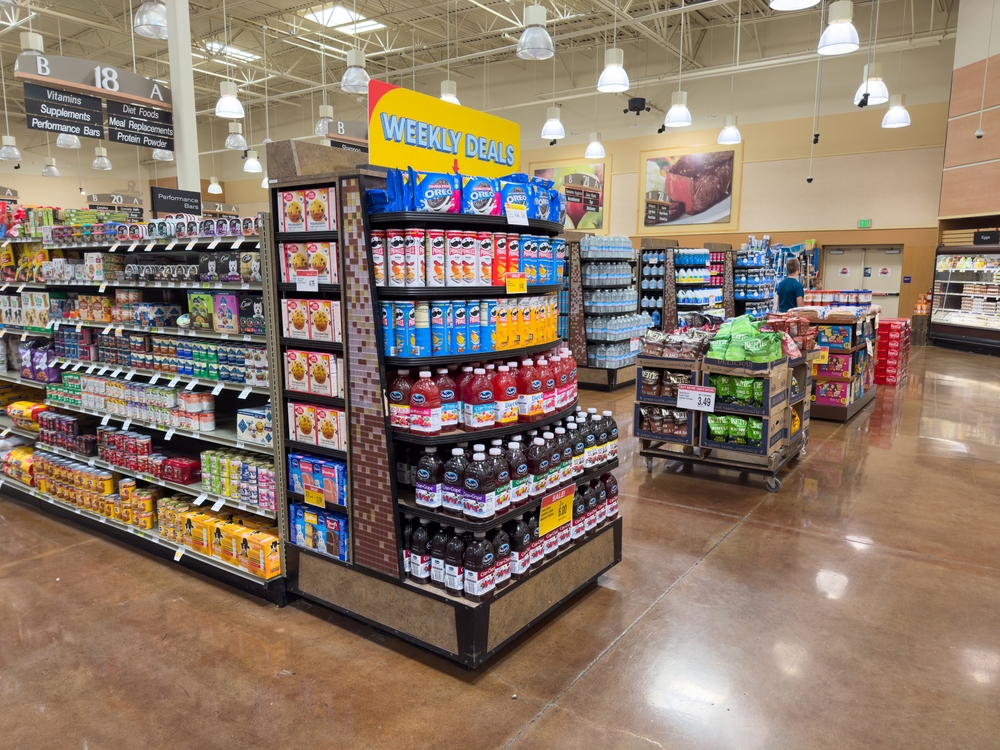
Ever notice how certain items seem to “call out” to you as you turn a grocery store corner? Those are not random product placements—they’re strategic setups designed to influence your spending habits. Grocery stores have mastered the art of end-of-aisle displays, turning ordinary shopping trips into subtle lessons in impulse buying. Understanding how these displays work can help you resist temptation and stay focused on your list, saving both your budget and your sanity.

The Psychology Behind End-Of-Aisle Displays

End-of-aisle displays take advantage of human psychology by catching your attention in high-traffic zones. Shoppers naturally slow down or stop at these intersections, making it easy for stores to showcase specific products. The placement creates an illusion of importance or popularity, tricking your brain into thinking the item is a must-buy. Retailers know that visual cues—like bright colors, large signage, and bulk packaging—trigger the urge to add “just one more thing.” By recognizing this tactic, you can walk past these setups with confidence instead of curiosity.

Limited-Time Offers That Create Urgency

One of the most common tricks used in end-cap displays is the appearance of scarcity. Words like “limited time,” “today only,” or “special offer” are designed to push you toward instant decisions. These time-sensitive signs tap into the fear of missing out, making you feel like you’ll lose something if you don’t act fast. The truth is, many of these deals cycle back regularly under different labels. If you wouldn’t buy the item without the flashy sign, it’s not really a deal worth grabbing.

Bundled Deals That Inflate Spending

Another effective tactic is bundling—offering multiple products together to seem like better value. For example, a soda and snack combo might appear cheaper than buying separately, but often the discount is minimal. Bundled end-of-aisle displays tempt you to purchase items you didn’t originally plan to buy. They encourage overspending by mixing necessities with impulse-friendly extras. To beat this trick, stick to your list and calculate the actual price per unit before giving in.

Brand Battles in Prime Real Estate

The fight for end-of-aisle displays is fierce among major brands, and companies pay significant fees to secure those spots. That means what you see at the end of the aisle isn’t necessarily what’s best—it’s what’s most profitable. Popular brands use this premium space to push seasonal products or new releases. Unfortunately, smaller or generic alternatives—often cheaper and just as good—get hidden deeper in the aisles. Being aware of this helps you look beyond the flashy setup to find real savings inside the shelves.

Cross-Promotions That Encourage Add-Ons

Stores cleverly use end-cap displays to link related products, subtly encouraging you to buy more. A pasta display might feature a jar of sauce or a nearby bottle of wine, making it feel natural to grab all three. This kind of cross-promotion taps into convenience and emotional reasoning—you convince yourself it’s practical, not indulgent. But these pairings are rarely the cheapest way to shop. Taking a moment to compare individual prices usually reveals better deals elsewhere in the store.

Seasonal Themes That Trigger Emotional Spending

End-of-aisle displays also play on seasonal emotions—think Halloween candy mountains or summer barbecue bundles. These setups make it easy to get caught in the excitement of the moment, even when the products aren’t on your list. Bright visuals and themed packaging remind shoppers of upcoming holidays, creating a sense of occasion that justifies splurging. Marketers rely on nostalgia and tradition to loosen your spending guard. Recognizing this pattern helps you enjoy the season without blowing your grocery budget.

The Illusion of Discounted Prices

Not every end-of-aisle display means a true bargain. In many cases, stores place regular-priced items in these sections simply because the location makes them sell faster. Signage might highlight “great value” without an actual markdown, making you assume it’s discounted. Shoppers rarely double-check price tags when caught up in display design. Before adding anything from these areas to your cart, verify if it’s genuinely cheaper than alternatives elsewhere in the store.

How to Shop Smarter and Outsmart Displays

Awareness is the best defense against the tricks hidden in end-of-aisle displays. The next time you shop, take your list seriously and treat every endcap as a potential temptation zone. Compare unit prices, skip “limited-time” hype, and shop the middle aisles where true bargains often hide. If a product catches your eye, give yourself a minute to think before adding it to your cart. By recognizing these strategies, you can shop intentionally and keep your grocery budget under control.

Have you ever noticed yourself falling for end-cap displays? What tricks help you avoid impulse buys? Share your thoughts in the comments!

What to Read Next…

The post How Grocery Stores Use End-Of-Aisle Displays to Trick You Into Extra Purchases appeared first on Grocery Coupon Guide.

Sign up to read this article
Read news from 100’s of titles, curated specifically for you.
Already a member? Sign in here
Related Stories
Top stories on inkl right now
One subscription that gives you access to news from hundreds of sites
Already a member? Sign in here
Our Picks
Fourteen days free
Download the app
One app. One membership.
100+ trusted global sources.