In recent years, Kalaallit Nunaat, as Greenland is known in Kalaallisut (Greenlandic), has come under ever intensifying scrutiny — featuring in debates about geopolitics, climate change and natural resources. As US interest in the island continues, the EU is now stepping into the fray, with Ursula von der Leyen, the president of the European Commission, poised to visit Greenland and the wider Arctic region in March.
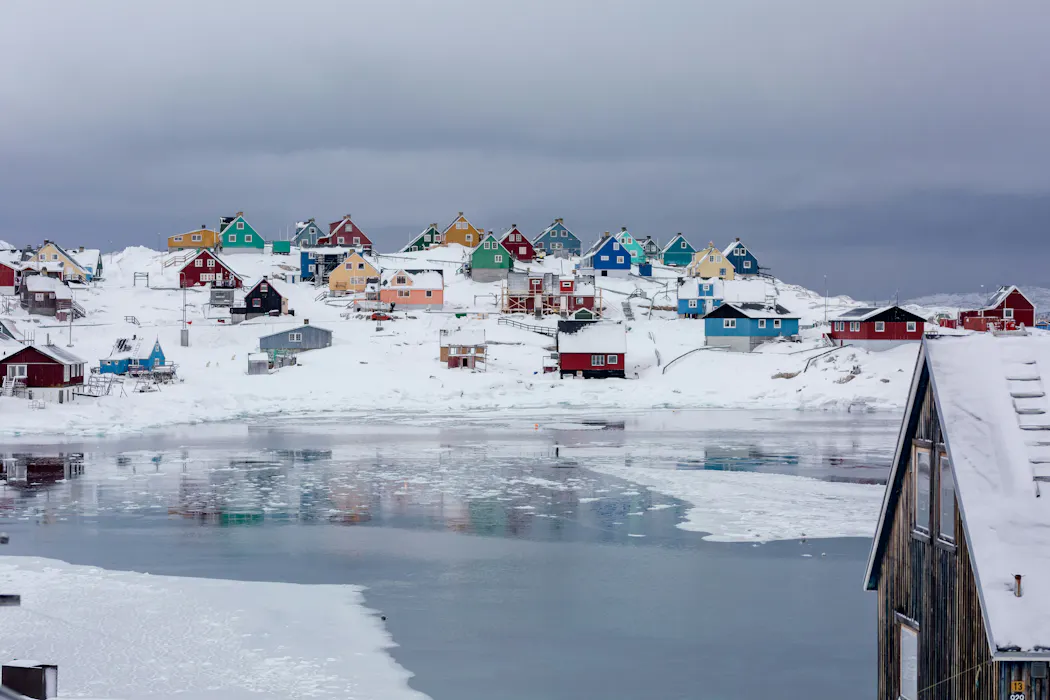
News reports are bolstered by images of Greenland’s colourful settlements, its icebergs and fjords. This attention builds on a long history. For over a century, Greenland and Greenlandic culture have attracted international filmmakers, particularly from Denmark, which began colonising the island in 1721. The country has functioned as a powerful visual and narrative resource in global screen culture. And yet, for international audiences, knowledge of Greenlandic society itself often stops at ice and strategy; Greenlandic culture itself remains unfamiliar.