Sri Lanka received a bailout from the International Monetary Fund (IMF) in March amid soaring inflation, debt and a sovereign default.
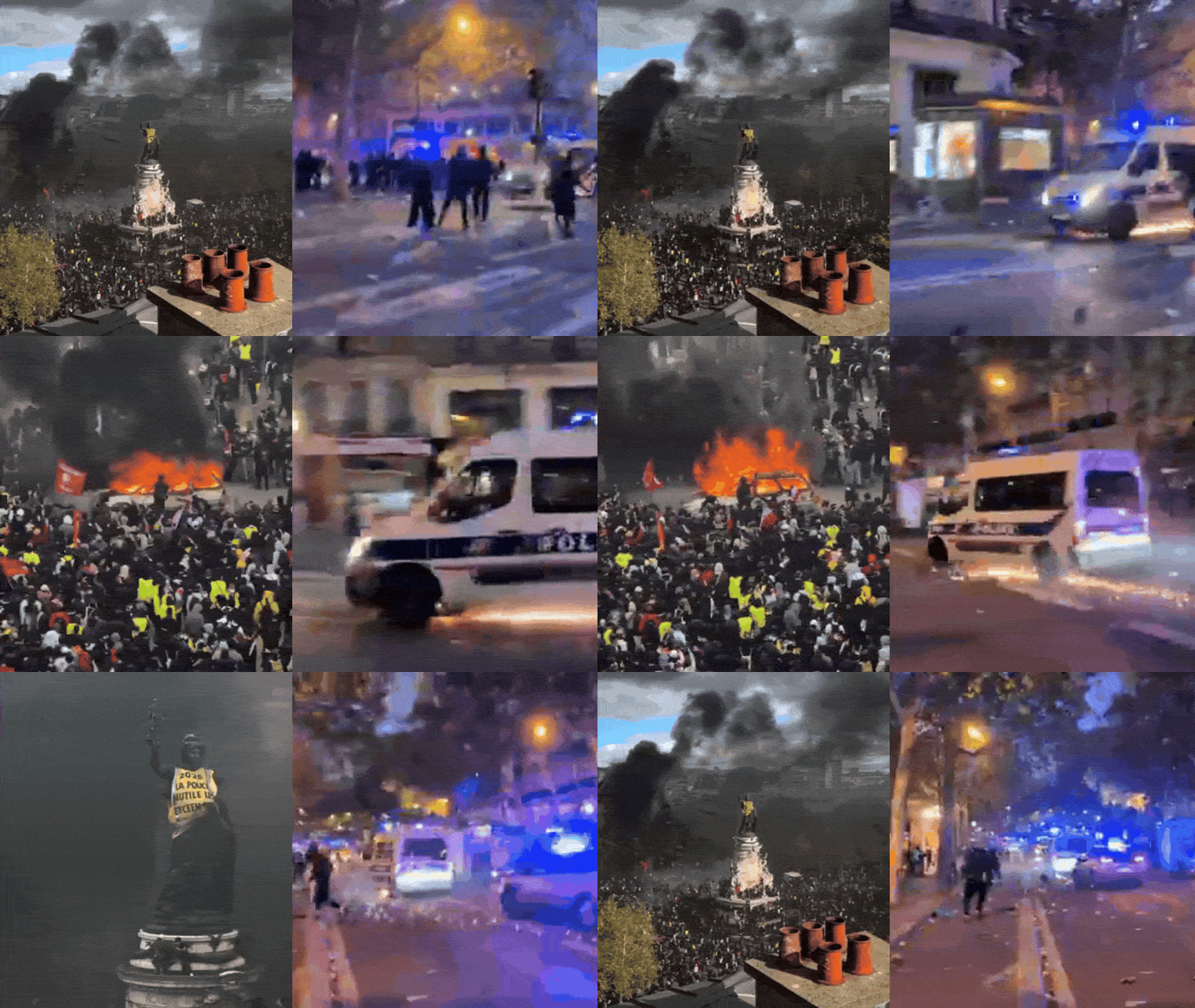
In exchange for US$3 billion (£2.4 billion), the government committed to spending cuts and tax and financial sector reforms. These have prevented Sri Lankan wages from recovering after they fell by almost half in real terms during the preceding financial crisis, leading to protests in the streets of Colombo.
Sri Lankans’ experience of these measures has been far from uniform. Emerging evidence indicates that the government — led by Ranil Wickremesinghe, part of the Buddhist Sinhalese majority — has concentrated the burdens primarily on ethnic minorities, who are the poorest in Sri Lanka and typically support the opposition.