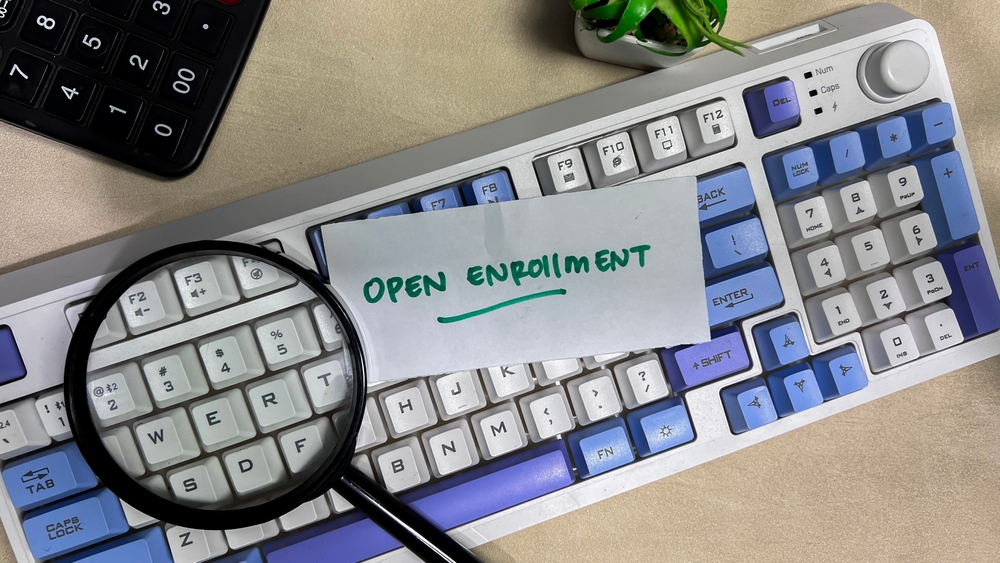
Every fall, millions of Americans face the critical task of reviewing their health coverage during Medicare open enrollment. While this period is meant to empower seniors with choices, it also creates a golden opportunity for fraudsters. Scammers know that the process can be overwhelming, filled with deadlines, complex options, and confusing advertisements. They swoop in with fake offers, unsolicited calls, and misleading marketing designed to steal personal information or money.
Here are five common scams that you should be aware of, and what you can do to protect yourself during open enrollment.
1. Phone Calls That Pretend to Be Official
One of the most common scams during Medicare open enrollment involves phone calls that sound legitimate. Fraudsters often impersonate Medicare representatives, using official-sounding language and even spoofed caller IDs. They may claim you need a “new” Medicare card or that your coverage requires immediate updates. The goal is simple: trick you into giving your Social Security number, bank account details, or Medicare ID. Remember, Medicare will never call you unexpectedly to request sensitive information, so hanging up is always the safest choice.
2. Misleading Ads and Mailers
Another tactic fraudsters use is flooding seniors with ads and mailers that look official. These materials often promise extra benefits like dental, vision, or hearing coverage at unbelievably low costs. While some ads are legitimate, many are designed to confuse and push you into calling a fake hotline. Once you engage, scammers pressure you into sharing personal details or enrolling in plans that don’t exist. Always verify the source of any ad by checking Medicare.gov or contacting a trusted insurance counselor.
3. Texts and Emails That Steal Your Data
Digital scams are on the rise, especially during Medicare open enrollment. Fraudsters send texts or emails claiming urgent action is required, such as “confirming your Medicare account” or “updating your prescription coverage.” These messages often include links to fake websites that capture your login credentials or financial information. Seniors are particularly vulnerable because the messages mimic real Medicare communications. The best defense is to avoid clicking links and instead go directly to the official Medicare website.
4. Door-to-Door Deception
Some scammers still rely on old-fashioned methods like knocking on doors. They may pose as insurance agents offering free consultations or “special enrollment deals.” Once inside, they pressure seniors into signing documents or handing over personal information. These face-to-face scams can feel convincing because fraudsters often carry fake badges or paperwork. Legitimate Medicare representatives will never show up unannounced at your home, so treat any such visit with caution.
5. Too-Good-To-Be-True Offers
Fraud thrives on promises that sound irresistible. During Medicare open enrollment, scammers pitch plans with rock-bottom premiums, zero deductibles, and coverage for everything under the sun. These offers are designed to bypass skepticism and lure seniors into quick decisions. Unfortunately, the reality is that such deals rarely exist, and victims end up losing money or coverage. AARP experts warn that if an offer seems too good to be true, it almost certainly is.
Protecting Yourself With Smart Habits
Fraudsters focus on seniors during Medicare open enrollment because they see them as high-value targets. Older adults often have savings, may live alone, and are more likely to answer unsolicited calls. Scammers exploit these vulnerabilities by using fear, urgency, and confusion to manipulate decisions. They also know that healthcare is deeply personal, making seniors more likely to engage with messages about coverage.
The good news is that you can outsmart fraudsters with a few simple habits.
- Never share personal information over the phone, email, or text unless you initiated the contact.
- Rely on official resources like Medicare.gov or state health insurance assistance programs for guidance.
- Be skeptical of high-pressure tactics that demand immediate decisions.
- Talk openly with family members about suspicious calls or offers.
By staying vigilant, you can navigate Medicare open enrollment with confidence and peace of mind.
The Key Takeaway: Stay Sharp, Stay Safe
Medicare open enrollment is meant to give you control over your healthcare, not to expose you to fraud. Scammers thrive on confusion, but with awareness and caution, you can protect yourself. Always verify information through official channels, ignore unsolicited contacts, and trust your instincts when something feels off. Fraud may be widespread, but it doesn’t have to define your enrollment experience. Staying sharp ensures that your healthcare decisions remain yours—and yours alone.
Have you or someone you know faced a Medicare enrollment scam? Share your story below—it could help others stay safe.
You May Also Like…
- The Unexpected Benefit of Delaying Social Security to Age 70
- Protect Your Identity: The Little-Known Federal Act That Lets You Freeze It
- Guard Your Legacy: The Digital Wallet Mistake That Wipes Out Crypto Assets
- The FDA’s Understated Concern About Unsecured Healthcare Software
- The Dangerous Growth of Fake “Senior Investment Clubs”