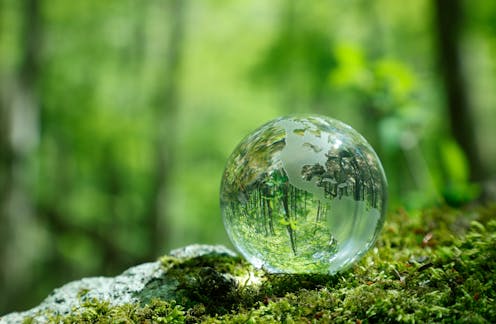
More than half of the world’s total GDP is at least moderately dependent on nature. Yet arguably, there is no economy (or life) without nature. A quarter of animal and planet species are now threatened, and 14 out of 18 key ecosystem services – including fertile soils to grow food, flood and disease control and regulation of air and water pollution – are in decline.
These ecosystem services are essential and have no easy substitutes. Despite this, almost US$7 trillion (£5.4 trillion) per year is spent by governments and the private sector on subsidies and economic activities that have a negative impact on nature – including intensive agriculture and fossil-fuel subsidies. This compares to only US$200 billion that is spent on nature-based solutions (just a third of what is estimated to be needed).