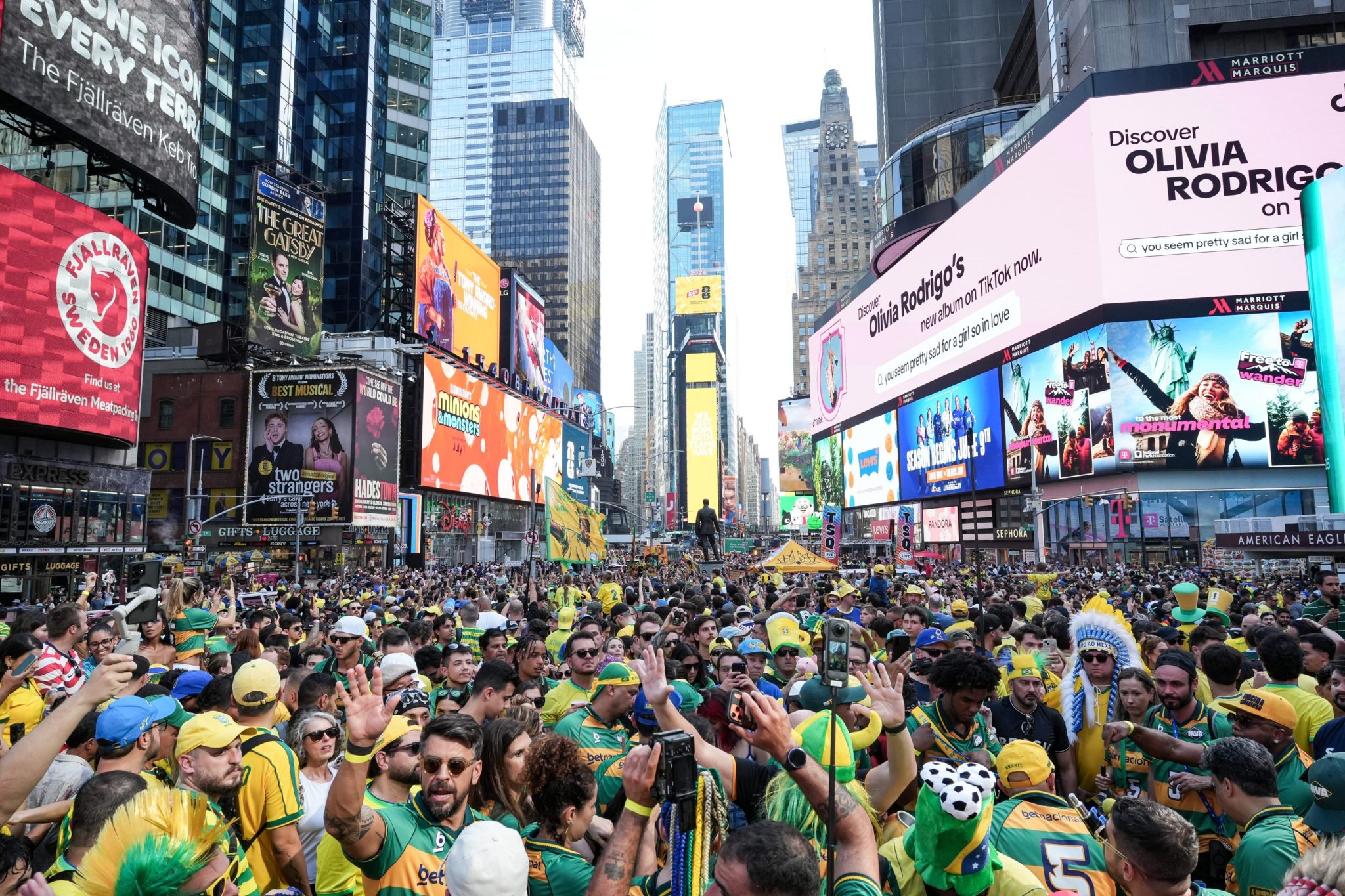
FIFA will collect an estimated $8.9 billion from the 2026 World Cup while the 11 U.S. cities hosting it could face a collective shortfall of upwards of $250 million. And that’s thanks to FIFA’s restructuring of how it runs the World Cup.
For most of the tournament’s history, a World Cup was run by a local organizing committee that absorbed the costs and shared in the upside. For the first time in World Cup history, that’s not the case. In the 2026 edition, FIFA is operating the tournament itself, dealing directly with host cities rather than through national federations. Under that arrangement, it controls essentially all of the revenue, from media rights and sponsorship to ticketing, hospitality and merchandise. The cities and states whose names are on the marquee control the costs. In effect, it becomes a franchise model in which the franchisees pay to operate the business and the franchisor keeps the receipts.