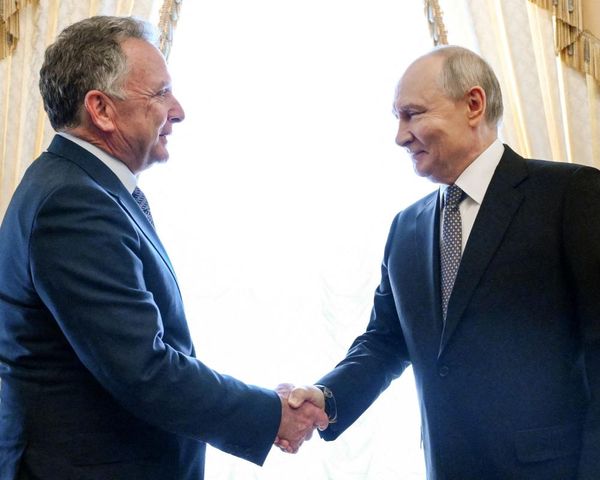
Trade agreements, investment partnerships, technology cooperation and supply chain security are increasingly shaping relations between countries, making economic diplomacy as important as traditional diplomacy in today's interconnected world. Governments are no longer focusing only on political alliances and security partnerships. They are also competing to attract investment, secure access to critical resources, build resilient supply chains and strengthen economic ties that can support long-term growth.
The shift comes as geopolitical tensions, technological change and evolving trade patterns redefine global relationships. As countries seek new markets and strategic partners, economic considerations are playing a larger role in foreign policy decisions across regions.