Alcohol consumption is declining in France, but in a country where wine in particular is linked to sociability and national identity, drinking less or going teetotal can feel like a political statement.
“I’m not anti-alcohol, I just want more tolerance,” says journalist and writer Claire Touzard, who stopped drinking in 2020 and later published a best-selling book about her experiences.

“It’s a norm to drink in France. And if you don’t fit in, there’s suspicion. 'Are you anti-French? Do you have psychiatric issues?’ We don’t like people who don’t drink because they disturb the French party."
Touzard grew up in a family of bon vivants where alcohol, especially wine, had a very positive image. After all, it wasn't until 1956 that the French government finally banned wine in school canteens, and even then it was only for the under-14s.
At the height of her drinking, she was downing a bottle and several beers a day. She decided to quit when she realised it was all about forgetting pain, rather than enjoyment.
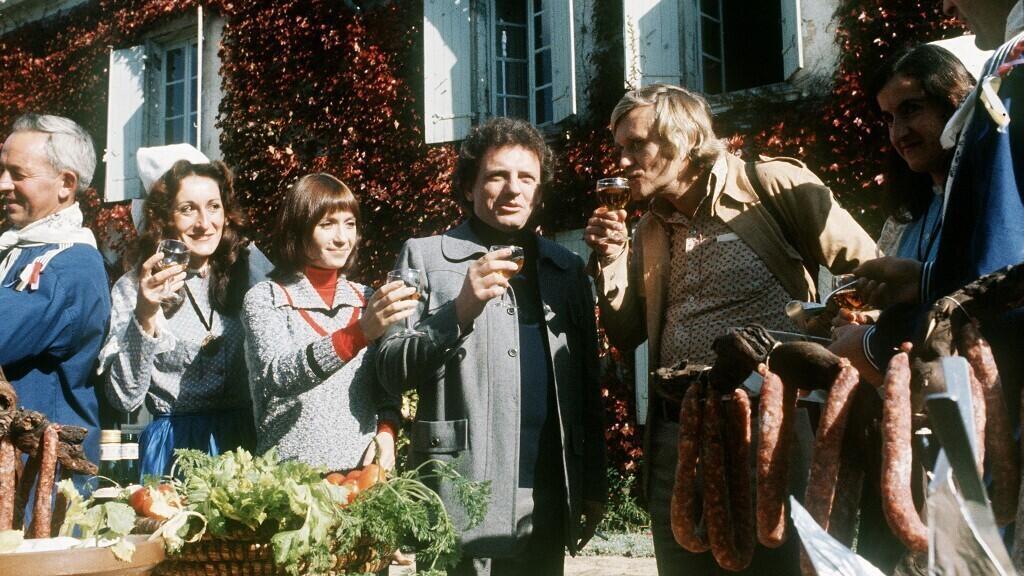
She describes drinking as "a nationalist thing – we have to drink, we have to eat saucisson".
"It's a test for some communities who don’t drink because of their religion or culture. It becomes a way to judge whether you’re ‘really’ French," she says, pointing to increasing intolerance on the part of the far right.
"We like to think drinking alcohol is about conviviality, but for me it's a tool of exclusion."
People make a living out of wine, but it's also killing them: welcome to the French paradox
Cultural backlash
France's drinking culture is changing – some 4.5 million people say they tried out Dry January last year, while one in five say they never drink and more than 60 percent no longer drink on a weekly basis.
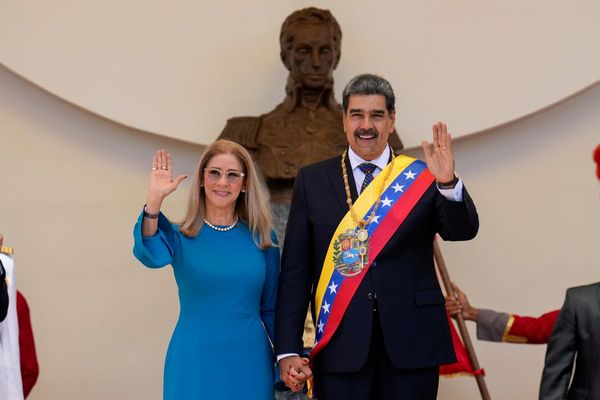
However, unlike many EU countries, France has never endorsed Dry January – where people try and abstain for a month. In 2023, President Emmanuel Macron even publicly declined to support it, affirming that he drinks wine daily.
France is Europe’s largest wine producer, and wine remains its second most valuable export after luxury goods, so there's also economic pressure to defend the industry.
With wine consumption falling by 22 percent between 2022-2024 and worries over tariff hikes on exports to the US, calls to put the brakes on drinking are seen by some as a both an economic and cultural threat.
This year, Vin et Société, the main wine and spirits lobby, launched a counter-Dry January campaign "French January" promoting moderation rather than abstinence, and warning of the dangers of “health moralism".
Some trade groups have gone further, accusing Dry January of undermining France's famed joie de vivre.
Vintage moment as French wine magazine crowns Macron 'personality of the year'
Listen to a report on this story in the Spotlight on France podcast

Pressure to drink
Le Social Bar in central Paris offers a glimpse of a different, but no less social, drinking culture.
Throughout January the venue went alcohol-free, serving beers, fruit shots, and playful mocktails while hosting DJ sets, karaoke and debates.
“The aim is to prove that we can have great parties, without alcohol,” says project manager Cécile Cabon.
Le Social Bar opened a decade ago and Cabon says they've noticed every day "that when people get together and sociability is really a the heart of the experience, it has the same effect as alcohol".
While a group of 20-somethings enjoy a karaoke session in the basement, Laurène, 32, is having an elderflower spritz in the bar. “It’s such a difference – they have real alcohol-free cocktails, not just a virgin mojito,” she says.
She gave up alcohol six months ago for mental health reasons and appreciates being taken seriously as a non-drinker.
But, she says, that's not the case at work, where she feels under pressure to drink.
"In French corporate culture, you’re expected to be social, to chat. So people often drink a lot at work.” Since she quit, colleagues who once saw her as “the party girl” feel awkward around her.

Binge drinking still a worry in France despite drop in daily consumption
National blind spot
Journalist Vincent Edin tried his hand at Dry January and hopes to cut down his heavy alcohol consumption. He believes French society still indulges heavy drinking.
“We don’t have alcoholics in France,” he says, sarcastically. “Alcoholics are people lying on the street. Everyone else is just a shiny, happy person who likes to party.”
Although official guidelines say more than 10 drinks a week is problematic, he says few people are ever challenged. “No one ever told me I had a problem,” he says, even when he was drinking two or three times that amount.
The most recent data shows 41,000 deaths a year in France are linked to alcohol-related diseases, including 11,000 among women.
The cost of this is an estimated €102 billion annually when factoring in healthcare, lost productivity, accidents and other costs, according to the Observatory for Drug and Alcohol Addiction (OFDT).
Alcohol also aggravates gender-based and sexual violence. “Rape culture is a problem. Alcohol doesn’t help – it’s present in femicides, in rapes, in all gender-based violence," says Touzard.
While public health experts confirm that alcohol impairs judgment and self-control and is a major risk factor in domestic and sexual violence, "it's really hidden by our government because they want us to be the country of wine," Touzard believes.
Campaigns on the dangers of heavy drinking tends to focus on pregnant women and young people, she says, rather than being aimed at men – and yet middle-aged male professionals are the biggest drinkers. "It's protecting patriarchy, men and French values."
France has committed to the fight against tobacco addiction, but Edin argues it lacks the political will to tackle alcoholism head on.
“You can’t be a major political figure without drinking,” he says, noting not only Macron’s public enthusiasm for wine, but that all recent French presidents, barring Nicolas Sarkozy, openly supported France's wine and beer industries.

Dilemma for French winemakers as alcohol content rises while consumption falls
Generational shift
Edin describes France as an "increasingly polarised society", with a growing generational divide around the issue of alcohol.
“I see that 43 percent of 25 to 34-year-olds are doing Dry January and they're saying they're very aware that they have to slow down," while the older generation remains attached to alcohol in the name of tradition.
However, he says he has seen progress in terms of tolerance. “It used to be only Muslim people and pregnant women who didn’t drink. Now, when we see young men and women who don’t want to drink, we don’t make as many jokes.”
Touzard also takes heart in the younger generation's willingness to cut down. "It's also a way of saying they want French culture to evolve. I see it as a political movement."
When Le Social Bar went "dry" in January, it noticed its clientele was a bit younger – people in their 20s to 30s – and more female. It aims to become permanently alcohol-free, but will have to work on its business model, since takings for January were down by 40 percent.
“We had the same number of people, but they [drink] less," notes Cabon. "And that’s OK – you don’t need to drink 10 pints of 'dry' beer."
The venue will continue to be alcohol-free on Wednesdays and is exploring partnerships and ticketed events to support a full transition.
Listen to a version of this story on the Spotlight on France podcast, episode 139.