Get all your news in one place.
100's of premium titles.
One app.
Start reading
The Conversation
The Conversation
Rodney E. Rohde, Regents' Professor of Clinical Laboratory Science, Texas State University

How do blood tests work? Medical laboratory scientists explain the pathway from blood draw to diagnosis and treatment

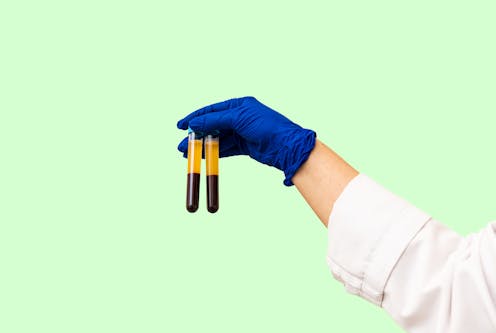
Pathology analyzes bodily fluids and tissues using a variety of methods. Alvaro Lavin/Moment via Getty Images

Medical laboratory testing is the heartbeat of medicine. It provides critical data for physicians to diagnose and treat disease, dating back thousands of years. Unfortunately, laboratory medicine as a field is poorly understood by both the public and health care communities.

Laboratory medicine, also known as clinical pathology, is one of two main branches of pathology, or the study of the causes and effects of disease. Pathology covers many laboratory areas, such as blood banking and microbiology. Clinical pathology diagnoses a disease through laboratory analysis of body fluids such as blood, urine, feces and saliva. The other branch of pathology, anatomic pathology, diagnoses a disease by examining body tissues.

Sign up to read this article
Read news from 100's of titles, curated specifically for you.
Already a member? Sign in here
Related Stories
Top stories on inkl right now
One subscription that gives you access to news from hundreds of sites
Already a member? Sign in here
Our Picks
Fourteen days free
Download the app
One app. One membership.
100+ trusted global sources.