European entertainment now reaches people through devices used for many different things. TV screens carry streaming services, games, music apps, and social platforms. This has changed how companies deliver content and compete for people’s attention. It has also changed what audiences expect from entertainment each day.
Eurostat shows how common this shift has become across the European Union. In 2024, 79% of internet users watched TV or video online. Another 65% listened to music, and 34% played or downloaded games. Digital entertainment is now part of everyday internet use across Europe.
A single phone can now replace several devices people once used separately. Someone might stream video, play games, then browse the best free casino slots to try. All these services compete for the same limited amount of free time. That has pushed entertainment companies to work harder to keep people interested.
Streaming Has Changed How European Audiences Pay for Entertainment
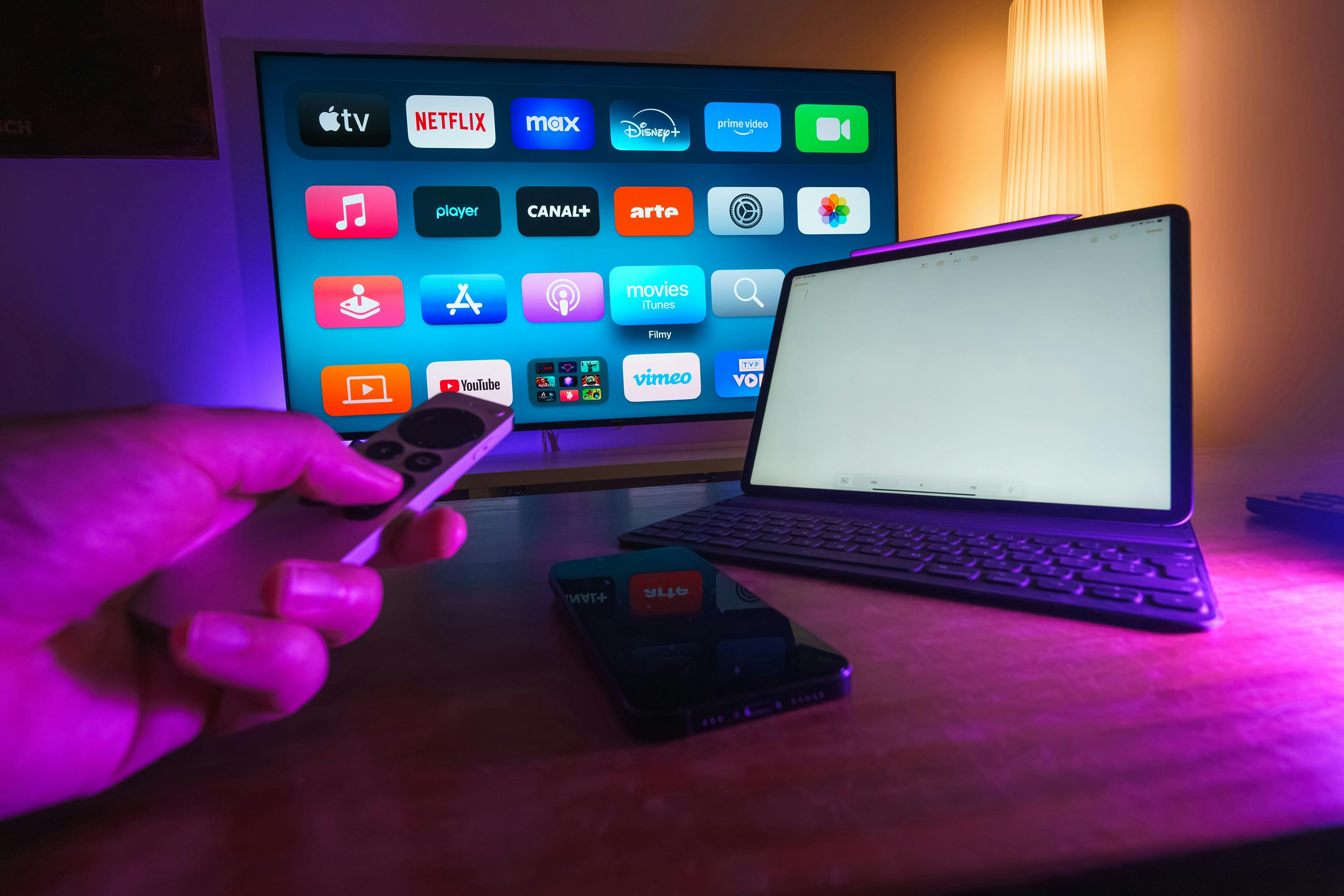
Streaming has changed how people pay for film and television. Many households now pay for access instead of buying individual titles. These libraries also change often so that customers can leave at any time. So, keeping subscribers has become almost as important as signing up new ones.
The European Audiovisual Observatory valued Europe’s audiovisual market at about €142 billion in 2024. Consumer spending made up more than half of that total. Streaming now exists alongside traditional broadcasting rather than fully replacing it.
Large platforms can spread production costs across viewers in many countries. Local broadcasters, however, often rely more on one national market for income. That gives bigger platforms more freedom to spend on costly productions.
Global streaming companies now fund a large share of European original content. The Observatory found they covered one-third of that spending in 2024. This money helps local production, but it also raises the pressure on broadcasters. European companies now compete harder for viewers, talent, rights, and studio space.
Local Programming Still Gives European Services an Advantage
Europe’s many languages make it hard for one catalogue to suit everyone. People often prefer stories with familiar places, actors, and local references. Digital platforms also help those productions reach viewers outside their home market. A local hit can now find audiences across Europe much faster.
Gaming Shows How Entertainment Became a Continuing Service
Digital sales now make up most video game revenue across Europe. Video Games Europe valued major markets at €26.8 billion in 2024. Digital sales made up 90% of revenue in those markets. The report also found 54% of Europeans aged 6-64 played games.
Games have changed in other ways as physical discs became less important. Many titles now receive new content long after their first release. Publishers add expansions, seasonal events, fixes, and new features over time. That keeps development going after people have already started playing.
This longer life also changes how studios plan staff and costs. Online games need servers, support teams, moderators, and community staff after launch. Those costs only make sense if enough people keep playing. A loyal community can thus help a game stay profitable for longer.
This changes the way studios build and support games:
- Release day no longer marks the end of development work.
- Digital stores help smaller studios sell games across several countries.
- Online communities give studios fast feedback on new updates.
- Ongoing sales can fund development long after the first one happens.
Mobile Platforms Have Expanded the Hours Available for Digital Leisure
Smartphones have filled parts of the day that once had no entertainment. A commute can now include video, music, games, or social media. Short breaks also give people time for quick entertainment on one device. That has made mobile use part of everyday leisure across Europe.
Eurostat found that 98% of Europeans aged 16-29 use the internet daily. The figure reached 90% across the wider population during the same period. Those numbers show why mobile access matters so much to entertainment companies. Many services now focus on regular use throughout the day.
Phones have also brought entertainment and conversation much closer together. Someone can watch a show, then discuss it with others straight away. Game communities often stay active long after people stop playing. The experience can continue through messages, clips, and online discussion.
Online Communities Are Becoming Part of the Product
Online communities now play a big role in how entertainment stays popular. Players talk about updates, share clips, and form groups outside official channels. New shows also spark discussion across social media soon after release. That can keep a game or series in view for much longer.
Fans can keep older titles popular between major updates or new releases. Their comments also show companies what people like or dislike. Bad changes can spread quickly once the community starts reacting.
These communities also create new safety problems for entertainment companies. Services with chat or sharing tools need clear rules and moderation. This becomes more important when children can use those features. Companies now have to think about safety before new features go live.
Cloud Services Are Changing Entertainment Infrastructure
Streaming and online games need strong systems running behind the scenes. Video services need storage that can handle users across many countries. Multiplayer games also need fast servers to keep matches running smoothly. Cloud services help companies grow without building all that hardware themselves.
Eurostat claims 45% of EU businesses bought cloud services in 2023. Among large companies, the figure reached 78% during the same year. Entertainment services depend on these systems every time people watch or play. Problems become obvious fast when videos freeze or online games lose connection.
Cloud gaming moves even more of the work away from the user. The game runs on remote hardware and sends the picture online. That can reduce the need for an expensive console or computer. A fast and stable internet connection then becomes much more important.
Artificial Intelligence Is Entering Entertainment Production
AI is also starting to change how entertainment gets made. Companies use it to suggest content, translate material, and speed up routine work. Some teams also use generative tools for images and written content. That has opened new questions about who owns the final work.
Eurostat also notes that 35% of EU internet users used generative AI in 2025. Among people aged 16-24, the figure reached 65%. That means many customers already use the same tools themselves. Entertainment companies now have to respond to that shift, too.
Copyright has become one of the biggest concerns around generative AI. Training systems can use work made by writers, artists, and other creators. Rights holders want more control over how that material gets used. Regulators now have to decide where those limits should sit.
Regulation Is Moving Closer to Product Design
Europe now has more rules for digital entertainment than it did before. The Digital Services Act sets rules for many large online services. This includes social platforms and major online marketplaces used across Europe. Entertainment companies may need to follow these rules when reaching customers online.
Platforms need systems for reporting abuse and dealing with harmful material. Rules are even stricter when children can use those services. Companies now need to plan safety features before launching new tools.
The EU AI Act adds new rules for businesses using artificial intelligence. The rules depend on how each AI system is actually used. Entertainment companies need to know which rules apply before using these tools. Legal checks now start much earlier in the development process.
Four areas are likely to receive more attention:
- Recommendation systems may need clearer explanations about how they work.
- Children’s safety rules will shape chat tools and sharing features.
- AI will raise more questions about copyright and training material.
- Platform rules can affect how creators reach audiences and make money.
Clear rules can add costs, but unclear rules can create bigger problems. Entertainment projects often take years before they reach paying customers. A rule change during development can force companies to change major features. Companies need enough certainty before spending heavily on long-term projects.
Consumer Behaviour Is Pulling Entertainment Markets Together
Connected devices now put television, games, music, and social media together. A smart TV can move from a film to a game in seconds. A phone can switch between music, video, and messages just as quickly.
People are also paying for these services in more similar ways. Subscriptions now cover television, gaming, music, and many other digital products. Advertising also supports streaming, social video, and audio platforms. This puts more services in direct competition for the same monthly budget.
Cost becomes harder to ignore once several subscriptions add up. One service may seem cheap when viewed on its own. The total can look very different after several monthly payments. That can push people to cancel one service and choose another instead.
Europe’s Next Entertainment Market Will Depend on Access
Europe already has a large audience for digital entertainment across phones, TVs, and consoles. The harder part is keeping people interested once so many options are available. Easy access gives consumers more choice, but their free time is still limited. A new show or game is always only a few taps away.
Streaming services need strong releases to keep people paying every month. Games need enough active users to support updates and long development cycles. Smaller companies still need affordable technology and fair access to digital stores. Regulators also have to protect users without slowing the market too heavily.
The European Commission’s Media Industry Outlook looks at games and audiovisual media together. It also covers extended reality as another part of the wider market. That shows how much these industries now overlap through shared digital technology. Companies once separated by format now compete across many of the same platforms.
Future growth will depend on more than putting entertainment online. People already expect content to work across different devices and locations. The bigger test is giving them a reason to keep coming back. Services that do that well will have the strongest position in Europe.