Get all your news in one place.
100’s of premium titles.
One app.
Start reading
The Times of India
The Times of India
World
TOI World Desk

How did humans survive 12,000 years ago? These ancient needles found in Oregon hold the answer

Deep inside the dry caves of Oregon, archaeologists have uncovered something remarkable. Pieces of animal hide stitched together. Using plant fibers and animal hair. It seems to be the oldest sewn hide known in North America. Experts say it dates back more than 12,000 years. Right in the middle of the Ice Age. This find isn’t just about clothing but also hints at survival, adaptation, and ingenuity. How early humans kept warm. How they worked with the materials around them.

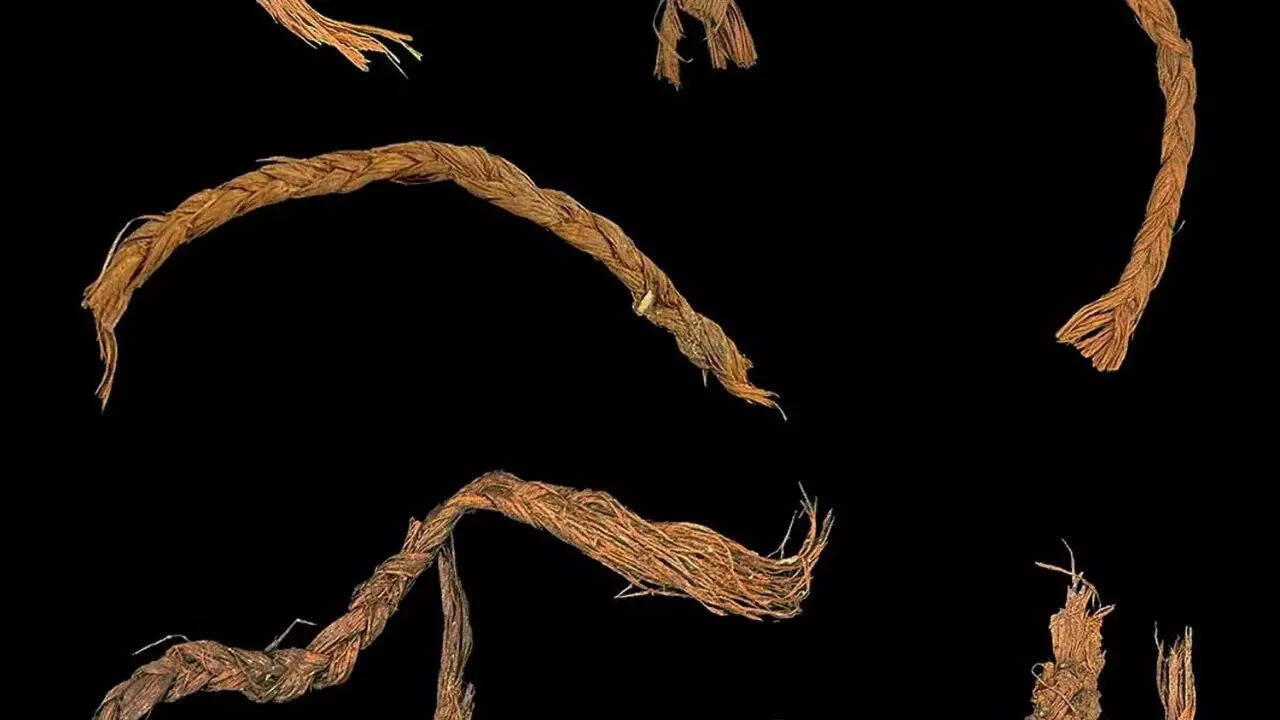
The discovery comes from Cougar Mountain Cave, with 55 artifacts made from hides, plant fibers, and bones. Some pieces appear sewn, carefully tied and knotted.

Tiny needles show how ancient humans made clothes and survived

Some of the finest known from the Late Pleistocene were found at Cougar Mountain and nearby Paisley Caves. They are tiny yet functional. Experts say these needles were used to stitch hides with precision. Plant fibers combined with animal hair created cords and seams that could hold up to harsh conditions. Humans weren’t just making clothing but they were engineering survival.

The fragments reportedly include tight-fitted hide pieces that could have been clothing, moccasins, bags, or even parts of shelters. Researchers write that the combination of cordage and hide margins points to intentional tailoring. These weren’t thrown-together rags. They were made to fit, to function, and to endure.

How early humans stayed warm in the Ice Age

Around 12,900 to 11,700 years ago, the Younger Dryas brought a sudden return of cold conditions after a warmer period. Life was harsh, foods was scarce. Experts say clothing was critical. It seems these early humans relied on sewn hides to stay alive. And the artifacts show that even under extreme conditions, they could innovate.

The use of fur and stitched hides contrasts with later periods when people shifted to lighter, plant-based textiles as the climate warmed. The transition offers a glimpse into adaptability.

Twined fibers, cords, and woven fragments were found alongside the sewn pieces. Experts say this indicates widespread use of fiber technology. Ropes, nets, bags, and even shelter components could be made from plants.

Sign up to read this article
Read news from 100’s of titles, curated specifically for you.
Already a member? Sign in here
Related Stories
Top stories on inkl right now
One subscription that gives you access to news from hundreds of sites
Already a member? Sign in here
Our Picks
Fourteen days free
Download the app
One app. One membership.
100+ trusted global sources.