Get all your news in one place.
100's of premium titles.
One app.
Start reading
The Conversation
The Conversation
Environment
Barnaby Joseph Dye, Research Associate, University of Manchester

How costly political realities undercut Ghana's electricity reforms

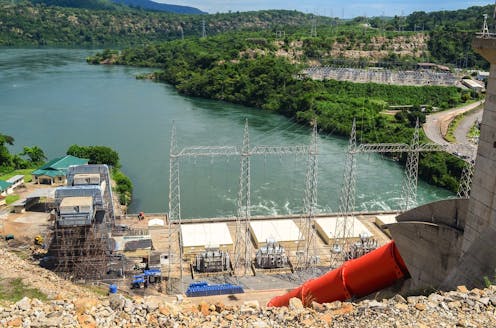
Ghana has struggled to find balance with its power generation. Flickr

Ghana reformed its electricity sector by the book but has lurched from blackouts between 2012 and 2015 to a glut of energy which costs government about 5% of GDP. Fitch ranks the energy sector as the biggest driver of national debt. How did this happen? It’s a classic case of implementing the “standard reform model” – a one-size-fits-all approach – that ignores a country’s political realities.

Ghana is not alone in reforming its electricity sector as it was a key requirement of the “good governance agenda” of the 1990s, nor is it the only country where reforms have caused crises. Rwanda and Mozambique are other examples.

Sign up to read this article
Read news from 100's of titles, curated specifically for you.
Already a member? Sign in here
Related Stories
Top stories on inkl right now
One subscription that gives you access to news from hundreds of sites
Already a member? Sign in here
Our Picks
Fourteen days free
Download the app
One app. One membership.
100+ trusted global sources.