If the New York Times' "1619 Project" and Donald Trump's 1776 Commission mark two defining moments in American history, as well as opposite sides of an ideological chasm, a new book by sociologists Philip Gorski and Samuel Perry identifies a third defining moment. It's not a new proposed founding, but rather an "inflection point," the moment when the nation's history could have gone in another direction.
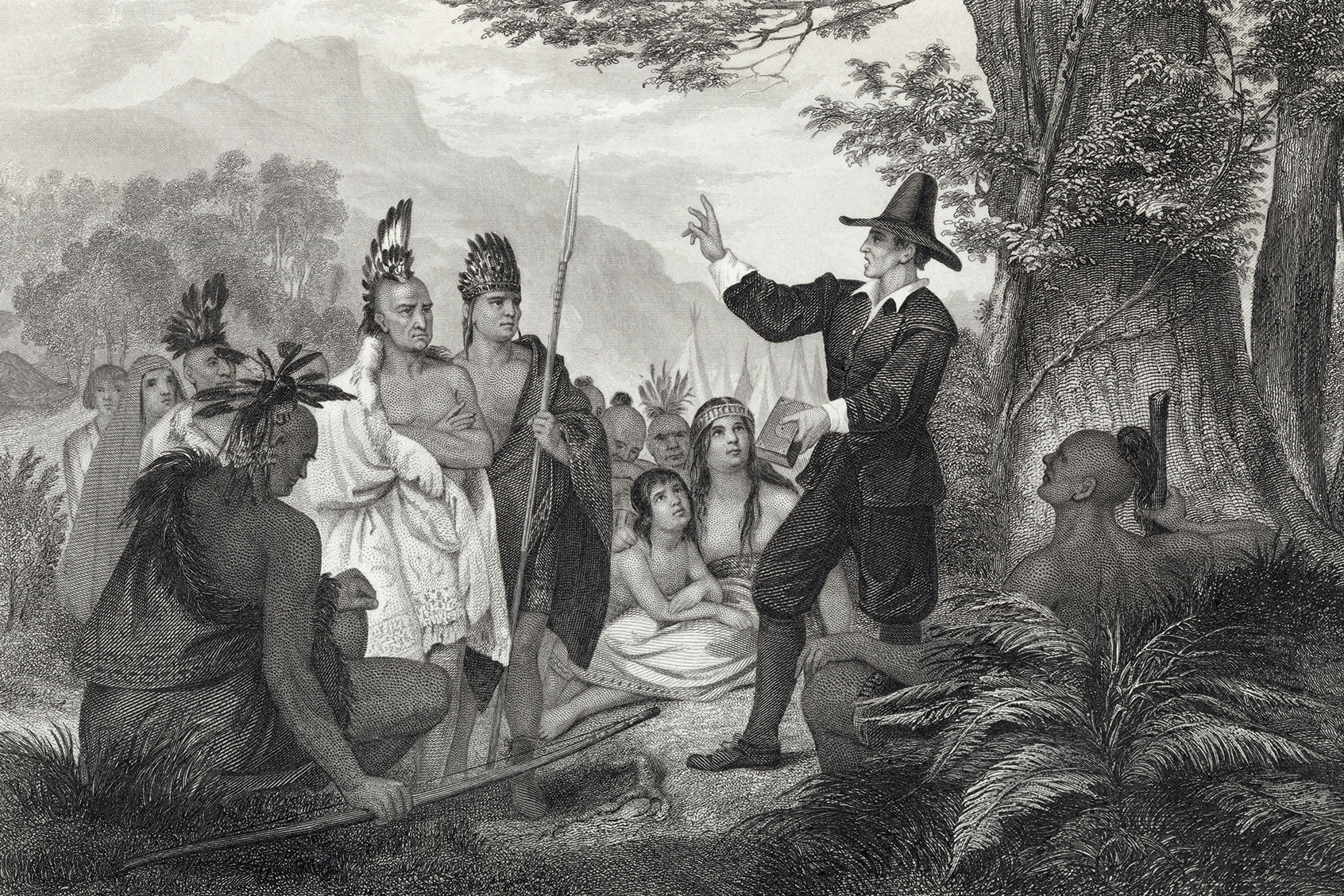
In "The Flag and the Cross: White Christian Nationalism and the Threat to American Democracy," Gorski and Perry argue that in the years around 1690 — when Puritan colonists began envisioning their battles against Native Americans as an apocalyptic holy war to secure a new Promised Land, when Southern Christians began to formulate a theological justification for chattel slavery — a new national mythology was born. That mythology is the "deep story" of white Christian nationalism: the notion that America was founded as a Christian nation, blessed by God and imbued with divine purpose, but also under continual threat from un-American and ungodly forces, often in the form of immigrants or racial minorities.