Get all your news in one place.
100's of premium titles.
One app.
Start reading
The Conversation
The Conversation
Macià Buades Rotger, Profesor Lector (equivalente a Ayudante Doctor) en Psicología especializado en neurociencia cognitiva, afectiva, y social, Universitat de Barcelona

How childhood trauma impacts our brains, bodies – and even our genes

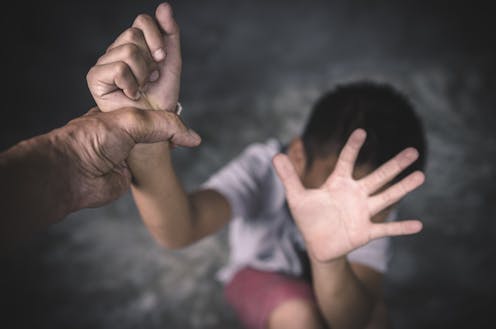
Tinnakorn Jorruang/Shutterstock

In 1966, Romanian dictator Nicolae Ceaușescu introduced extreme policies to increase the country’s birth rate. This led to the widespread abandonment of children, who ended up in orphanages in appalling conditions where they received no care, attention or love. Though tragic, this infamous “natural experiment” has allowed us to learn a great deal about the effects of early-life trauma on the brain.

Research into these children found that many of them had smaller brain volumes, which partially explained their poor cognitive performance. This atrophy was more severe in children who had spent longer in institutions.

Sign up to read this article
Read news from 100's of titles, curated specifically for you.
Already a member? Sign in here
Related Stories
Top stories on inkl right now
One subscription that gives you access to news from hundreds of sites
Already a member? Sign in here
Our Picks
Fourteen days free
Download the app
One app. One membership.
100+ trusted global sources.