
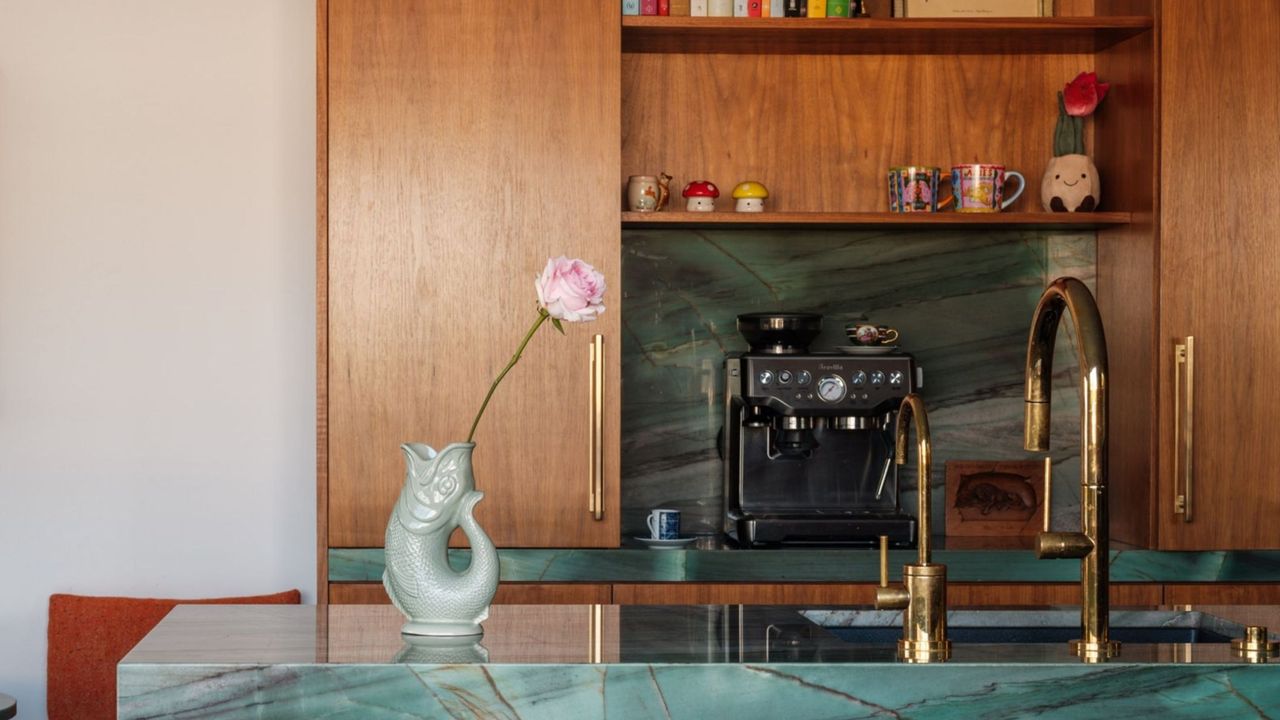
I may have tested a coffee machine or two (or ten) in my day, but that doesn't mean that getting the combination of perfectly smooth espresso shot and silky milk comes instantly every time. In fact, it takes some practice and a few tips and tricks to get your coffee machine to work better. From grinding your coffee beans fresh to cleaning the machine properly, every step counts towards better flavor.
But thankfully, getting your coffee machine to work in prime condition doesn't require an extortionate amount of elbow grease. It's just about staying on top of the small details that add up to a more streamlined process. For instance, storing your unused coffee beans in a sealed container (a stylish one, too, preferably) or, and this one may surprise you, using filtered water to run espresso shots rather than straight from the tap.

If you're investing in a quality espresso machine, I'd hazard a guess that you're after the best quality coffee, too. So rather than just pressing a few buttons and calling it a day, why not spend a little time to understand your device that much better? Here's how.
1. Focus on Proper Coffee Storage and Freshness

An easy improvement to your coffee-making routine is focusing on the best coffee storage for your coffee beans, as this ensures freshness. Yes, this is an excuse to stock up on stylish coffee accessories (try this matte-black Atmos vacuum canister by Fellow), but it also has more technical benefits than that.
Heather Perry, CEO of Klatch Coffee, explains that, "Unused beans should be stored in an airtight container in a cool, dry place away from sources of light and heat so they'll stay as fresh as possible. Without these conditions, oxidation, moisture absorption, and flavor degradation can occur."
Another tip is, before you brew your morning cup, remove only the beans you plan to grind immediately, as opposed to grinding in large quantities in advance.
You may see cafes using whole bags, but this is due to a higher turnover than your 'home cafe' is likely to have. "You'll get better results by buying only the amount of fresh-roasted coffee you need in the short term — this might mean buying smaller bags on a more frequent basis," adds Heather.
2. Practice Grinding Your Beans at Home

If you don't think it's worthwhile investing in a quality coffee grinder, listen up. Grinding your beans fresh, right before you brew your coffee, is the best way to preserve flavor.
The problem with store-bought, pre-ground beans, Mark Trujillo, founder of Hub Coffee Roasters, explains, is that "pre-grinding your coffee increases the surface area that is exposed to air, causing it to oxidize and make the coffee taste stale."
On the one hand, you'll need to invest in an extra appliance, but it's worth it if you want your coffee machine to work better and produce better flavor. Grinding fresh for brewing provides the best possible result for a closer-to-cafe experience at home.
However, depending on the espresso machine or coffee maker you have, the grinding process will vary slightly. Take the time to practice changing how fast the grounds come out and the size of the grinds — Mark explains, "The grind size of your coffee dictates how fast or slow the water is going to move through the coffee, which can greatly affect brewing and the taste of your coffee."
The grind size needed is dictated by the brewing method you are using. "A coarse grind would be used for full submersion methods, like when making cold brew in the Smeg cold brew machine or French press, a medium grind for pour overs or standard coffee makers, and a fine grind for espresso," says Mark. Using the wrong grind size can make your coffee taste sour or bitter, which is definitely something to try to avoid.
3. Clean Your Equipment on a Regular Basis

One of the more obvious ways to make your coffee machine work better is to keep your equipment clean, as hard-water deposits and oils from coffee beans can build up over time. How often you clean your coffee machine really depends on your usage. Generally, if you start to notice a funny taste or smell or slower-than-normal brewing, it's probably time for a deep clean.
Consult the instruction manual for a guide on how to best clean your appliance, but Heather says, "Often, a 50:50 water/vinegar mix can do the job. Vinegar can help break down oils and scale left by grounds and water. Run a few cycles of the 50:50 mix, then flush it away with clean water. You can pause the cycle halfway through to allow the water/vinegar mix some time to soak and penetrate, if needed."
And definitely don't overlook the grinder when cleaning your espresso machine or coffee maker. If you choose to grind at home, oil from beans can build up there as well.
4. Improve Your Water Quality as Much as Possible

Lastly, and probably the most unexpected way to make your coffee machine work better is to consider the water that you are using to brew. After all, coffee is mostly water, and water quality can significantly impact the flavor and aroma of your brew.
As a home brewer, huge investments in cafe-style water treatment and filtration are likely out of reach, of course, but you can still make meaningful, simple changes. "Depending on your local municipal water supply, this might mean using charcoal filtration at the tap [try this option from Amazon] or via a pitcher, or brewing with bottled water," says Heather. The former being more eco-friendly options.
Why is this important? Mark says, "Water quality can impact taste and the operation of your machine. Total hardness, alkalinity, and PH are three factors that impact brewing. It's best to use water that is free from iron, dissolved chlorine compounds, odor, and organic matter with a PH between 6-8."
It doesn't have to be complicated either. Something as simple as pouring tap water through a BRITA jug (available on Amazon) can help your coffee machine work better.
Having a perfect coffee bar at home is super convenient, but having a coffee that tastes good is the most important part. And these four tips are the best way to start taking steps towards a more quality espresso experience.