
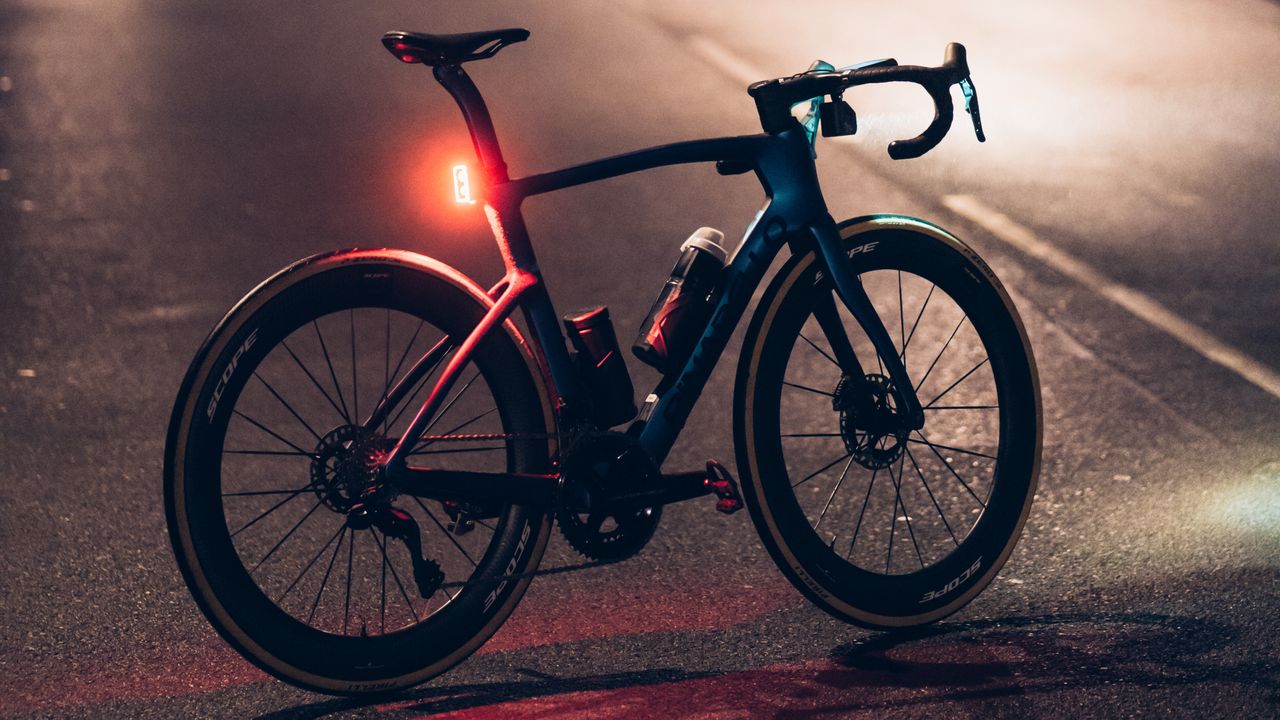
With darker mornings and evening, plus lower sun more prevalent during more of our ride times, it makes sense to fit a set of the best bike lights for commutes, weekend club runs, or just day to day riding. Fortunately, the range of lights available at the moment is huge, with an array of price points and brightnesses to suit any occasions. Even our list of the best budget bike lights is packed full of quality nowadays. But with lights being rated based on their lumens, and price often linked to the number of them, just how many lumens do we need for a light to be effective?
But what are lumens? We used to measure light brightness in watts, but now LEDs are the dominant light source used and use fewer watts. Along came lumens, which is a measure of how bright a light is; the total light output from the source. This is how most bike lights brightness is quantified, and is in general a good rule of thumb for determining and lights effectiveness for a given environment.