Emotion sells, and few carmakers have leaned into that truth (sometimes gracefully, sometimes aggressively) quite like BMW. Sliding into a BMW isn’t meant to feel like entering a machine; it’s meant to feel like slipping on an identity, an emotion, a story.
From its iconic car designs to its slick campaigns, BMW has spent decades engineering not just vehicles but vibes. Over time, it has perfected what many premium carmakers attempt but rarely sustain: an emotional brand world where the product is less about horsepower and more about aspiration, belonging, and that intangible spark known simply as “joy.”
This festive season, BMW pushed that idea harder than ever. You may have seen the campaign insisting, “We didn’t invent the car… We created a feeling,” for the brand’s all-electric BMW iX3 - to a world increasingly defined by silent motors and software screens. It’s BMW trying to humanise the algorithmic future of driving, a future where “The Ultimate Driving Machine” risks being reduced to just another rolling gadget.
Of course, emotional storytelling isn’t new territory for BMW. Long before the tech-luxury wars, the brand was selling Freude am Fahren (joy of driving). Even the 1974 tagline “The Ultimate Driving Machine,” which at first sounds like a performance flex, was really a coded identity pitch: buy a BMW, and you become the kind of person who values mastery, confidence, the feel of the road.
But that narrative has had to evolve. In recent years, BMW’s marketing has shifted gears from taking the driver-as-hero route to the softer sideroad of lifestyle-as-feeling. The brand no longer just sells torque curves; it sells a sense of freedom, empowerment, and success. From cinematic social shorts to immersive, multisensory showrooms, BMW engineers every touchpoint to reinforce the idea that owning its vehicles is an experience on a very human level, not a mere transaction.
This is the classic playbook of emotional branding, which connects with people’s desires, anxieties, and self-image. Customers buy the feeling they hope the product will unlock. And BMW has doubled down on this playbook, threading emotion through everything from its design language to its retail choreography.
But here’s the tension: in a market where EVs are quiet, digital, and increasingly similar under the skin, can a brand still sell emotion as a differentiator? When the visceral growl of a straight-six becomes an algorithmically tuned sound profile, does “joy” hit the same? It’s a contradiction BMW is actively wrestling with.
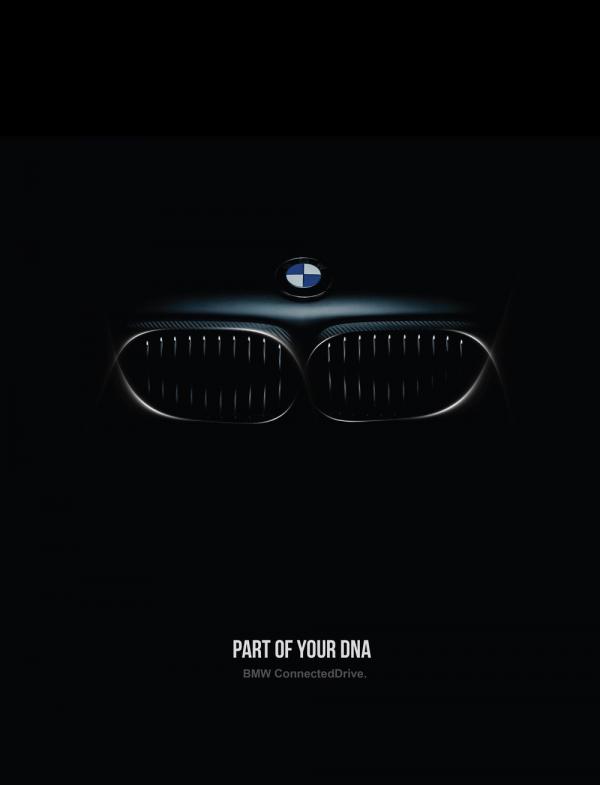
Designing Emotion in Every BMW
Each new model is crafted to elicit a reaction, sometimes delight, sometimes debate. From sculpted lines to wraparound cockpits, BMW treats design not as ornamentation but as emotional triggers. The brand knows customers aren’t buying A-to-B transportation. They’re buying confidence, pride, and a little theatre.
This also explains the polarising design decisions in recent years, the giant kidney grille, for example, which sparked a miniature design civil war. But even that controversy shows BMW’s intent: emotional impact beats universal approval. BMW would rather make you feel something than nothing.
And when hardware isn’t enough, BMW turns to narrative. A 2023 electric-i4 campaign, “Father & Son. Freude Forever,” shows a father passing the joy of driving to his son. The nostalgia is dialled up deliberately: driving becomes family, freedom, legacy. Likewise, this year’s holiday film uses a child and a grandmother reconnecting through a BMW to argue that the joy of driving can bridge generations, even in an era of range anxiety and touchscreen fatigue.
It’s emotionally effective. It’s also a bit of a gamble. BMW is selling joy at a time when driving, especially urban driving, has never felt less joyful. Congestion, cameras, automation, and rising insurance costs all threaten the fantasy. The brand is essentially promising a feeling that the real world increasingly refuses to deliver.
What Designers Can Learn
For designers and brand strategists, BMW offers a compelling blueprint: build products that earn trust at a functional level, then build stories that elevate them to something people can feel. But the blueprint comes with caveats. Emotional branding only works when the product experience supports the claim. BMW’s engineering heritage gives it leeway here, but not infinite leeway.
Because if emotion becomes a veneer over a commodity product, people notice. And the EV era, flattening performance differences, muting mechanical character, makes this risk more acute than ever.
In that sense, BMW’s evolving strategy isn’t a departure but a recalibration. The machines are changing; the promise can’t. The brand seems determined to argue that even if the future is quieter and more digital, the feeling of driving doesn’t have to be, whether consumers believe that is the next chapter.