
Get all your news in one place.
100's of premium titles.
One app.
Start reading
The Economic Times
The Economic Times
Trending Desk

How beavers helped a struggling England farm secure a £1 million deal and spark a multimillion-pound revival

A large-scale rewilding project in Lincolnshire is aiming to prove that restoring nature can also be a profitable business, with a planned beaver colony at the centre of a multimillion-pound transformation, according to a TOI report. Conservation company Nattergal is converting the 1,525-acre Boothby Lodge Farm into a wildland by ending intensive farming, restoring natural habitats and introducing beavers to help rebuild the ecosystem.

The project seeks to demonstrate that environmental restoration can generate significant private investment while supporting biodiversity and climate resilience.

Beavers at the heart of restoration plan

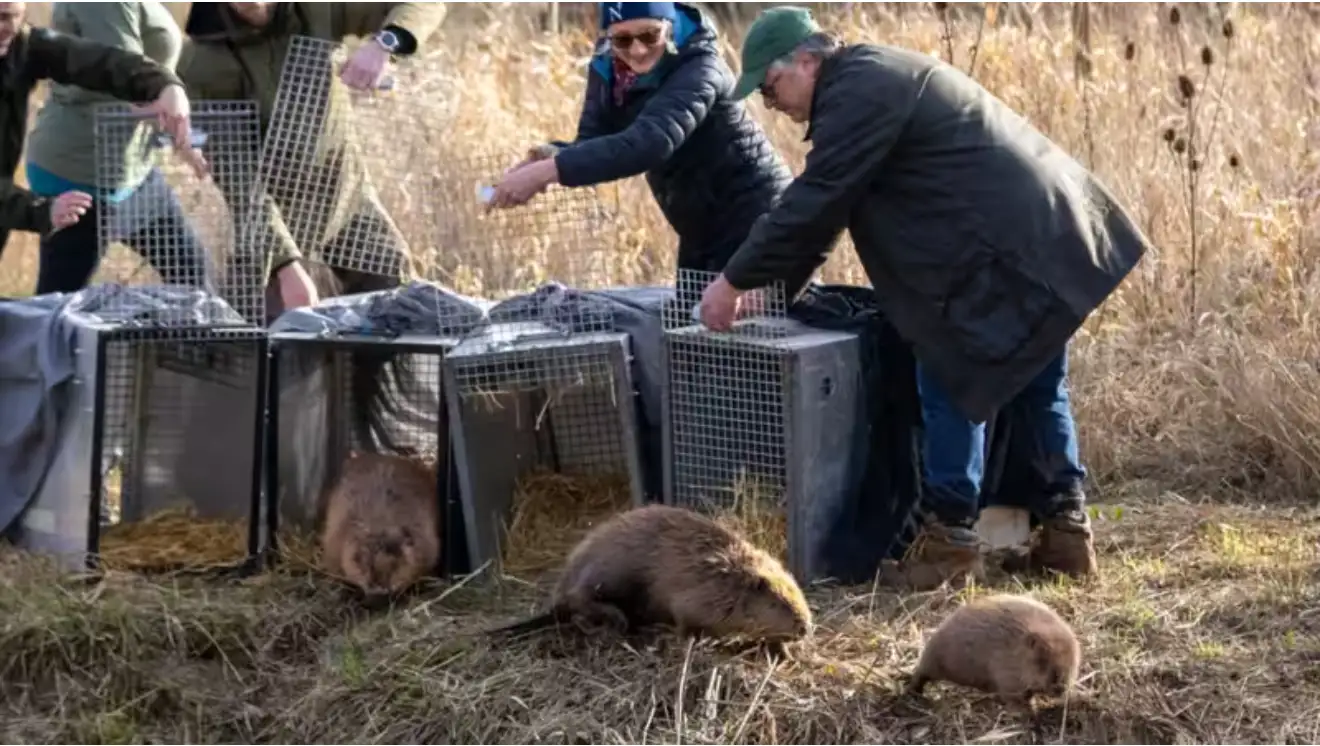
The most closely watched aspect of the project is the proposed reintroduction of beavers along a 2-kilometre stretch of river that had been heavily altered by decades of intensive farming.

As England has not yet approved the unrestricted release of beavers into the wild, Nattergal has built Britain's largest secure beaver enclosure to house the animals.

The proposal initially faced opposition from nearby landowners, who feared beaver dams could flood farmland, citing experiences from Scotland.

Beaver expert de Klee assured farmers that any animals escaping enclosed sites had previously been safely recaptured.

"We've no interest in beavers escaping on to your land because we need them here to do this work," de Klee told landowners.

Nattergal expects the beavers to build dams, restore wetlands, slow river flows to reduce flooding and help retain water during dry periods.

During discussions, local farmers raised questions about beaver breeding, their impact on fish populations, ground-nesting birds and their interaction with otters.

Nature restoration creates new revenue streams

Even before the arrival of the beavers, Boothby Wildland has begun generating income through environmental markets.

Nattergal has secured a £1 million agreement with engineering company Arup to supply carbon removal credits over the next 30 years. The credits command higher prices because the project delivers additional environmental benefits, including habitat restoration, flood mitigation and community support.

The project has also entered agreements to sell biodiversity net gain (BNG) units to developers. Boothby currently has 1,413 BNG units available, which could be worth more than £35 million as housing and infrastructure development expands across Lincolnshire.

From intensive farming to wildland

Nattergal purchased Boothby Lodge Farm for £13.8 million four years ago after finding a landscape with little visible wildlife.

The property, located south of Grantham, was dominated by crop fields, steel barns and heavily drained agricultural land. More than 92 per cent of the farm was under cultivation, while only about three per cent remained as woodland used for commercial pheasant shooting.

To restore the site, the company ended crop production, stopped using artificial fertilisers and pesticides, and dismantled underground drainage systems that had removed water from the land for generations.

As intensive farming ceased, native plants and vegetation began returning, transforming the site into Boothby Wildland.

Subsidy changes reshape farming model

The project also reflects wider changes in Britain's agricultural policy.

Before the transformation, the farm generated an annual profit of £250,000, with around half coming from government subsidies linked to land ownership.

That subsidy system is scheduled to end by 2027. Under post-Brexit reforms, landowners will receive government payments only if they deliver environmental benefits such as healthier soils, cleaner water and improved wildlife habitats.

The changes come amid a long-term decline in Britain's biodiversity. Over the past century, England and Wales have lost 98 per cent of their wildflower meadows, half of their ancient woodlands, half of their lowland ponds and 90 per cent of their freshwater wetlands.

Knepp model inspires Boothby project

The initiative is led by Sir Charles Raymond Burrell, co-founder of Nattergal, who previously introduced a similar rewilding model at the 3,500-acre Knepp estate in West Sussex.

Although the project initially faced criticism, Knepp has since become one of Britain's best-known conservation success stories, supporting rare species while also operating ecotourism activities, producing free-range meat and creating more employment than under its previous farming model.

How beavers help restore ecosystems

Beavers build dams by cutting small trees with their strong front teeth and using branches, sticks, mud, stones and vegetation to slow flowing water.

The dams create ponds that provide protection for beavers, improve water storage, restore wetlands and support wildlife habitats. The animals continually repair their dams, allowing them to remain effective for many years while naturally reshaping river ecosystems.

(With inputs from TOI)

Sign up to read this article
Read news from 100's of titles, curated specifically for you.
Already a member? Sign in here
Related Stories
Top stories on inkl right now
One subscription that gives you access to news from hundreds of sites
Already a member? Sign in here
Our Picks
Fourteen days free
Download the app
One app. One membership.
100+ trusted global sources.







