A New Era of Intelligent Vehicles
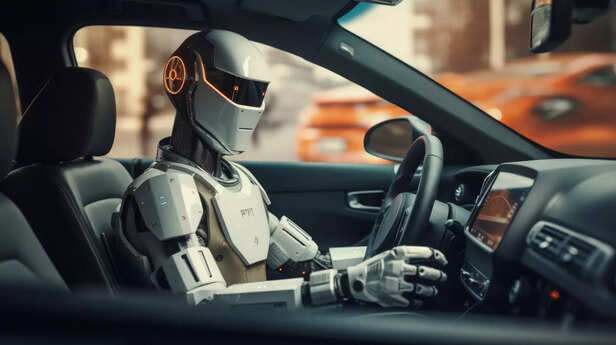
The automotive industry has entered a revolutionary phase where artificial intelligence plays a central role in vehicle design and functionality. In 2026, cars are equipped with intelligent software that can analyze surroundings, predict risks, and support drivers in real time. This shift is not only making driving more convenient but also significantly improving safety on the roads.
AI in vehicles is powered by machine learning, computer vision, and natural language processing. Sensors, cameras, and connected systems work together to interpret traffic, detect obstacles, and learn from driver behavior. As a result, modern cars are becoming more intuitive and capable of responding to complex road situations with remarkable accuracy.
Advanced Driver Assistance Systems Are Becoming Smarter
Driver assistance technology has grown more advanced and reliable in 2026. Artificial intelligence now enhances systems that support drivers during everyday journeys by constantly analyzing traffic conditions, road patterns, and potential hazards.
These systems can maintain safe distances from other vehicles, help keep the car centered in its lane, and respond quickly to sudden obstacles. AI driven braking systems can detect pedestrians, cyclists, and unexpected road changes more accurately than earlier models. By learning from large volumes of driving data, these features continue to improve over time.
Such intelligent support is especially valuable in busy urban environments where traffic is unpredictable. Drivers benefit from reduced stress and improved safety, while the system actively works in the background to prevent accidents.
Semi Autonomous Driving Is Becoming More Capable
Semi autonomous driving has seen major improvements in 2026. While fully driverless vehicles are still limited to certain regions, modern cars now offer enhanced self driving capabilities for highways and controlled environments.
AI systems can manage speed, steer through traffic, and assist during complex driving situations. The technology relies on powerful algorithms that interpret signals from cameras, radar, and sensors. These systems can identify objects on the road, recognize traffic signs, and predict the movement of nearby vehicles.
The ability to process massive amounts of data in real time allows cars to respond faster than human drivers in certain conditions. This progress is helping reduce accidents and is building trust in the long term potential of autonomous driving.
AI Powered Voice Assistants and Intelligent Interiors
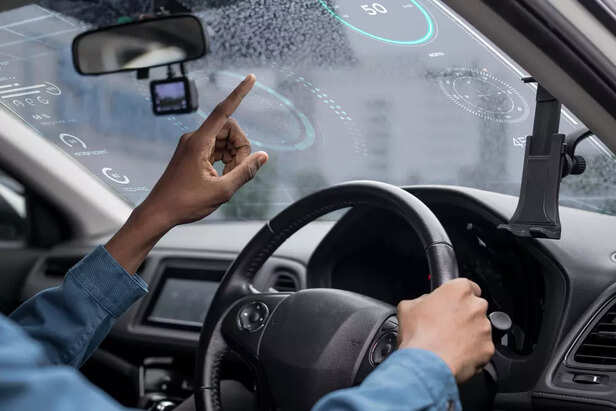
Car interiors have evolved into digital ecosystems where drivers can interact with their vehicles using natural language. AI powered voice assistants have become more intuitive, allowing users to control functions without taking their hands off the wheel.
Drivers can adjust temperature, play music, set navigation routes, or make calls simply by speaking. The system understands context and responds accordingly, making the interaction feel more natural and less mechanical.
These intelligent assistants also learn from user behavior over time. They remember preferences, suggest destinations based on past travel patterns, and recommend entertainment options. The result is a more comfortable and personalized in car experience that reduces distractions and improves safety.
Predictive Maintenance Is Reducing Breakdowns
One of the most practical applications of AI in cars is predictive maintenance. Instead of waiting for parts to fail, modern vehicles can monitor their own condition and alert owners before problems occur.
Artificial intelligence analyzes engine performance, battery health, tire pressure, and driving patterns. When the system detects unusual activity or signs of wear, it provides early warnings. This helps drivers schedule maintenance at the right time and avoid unexpected breakdowns.
In electric vehicles, predictive systems are particularly valuable. They can monitor battery performance and charging cycles to ensure optimal efficiency and longer lifespan. Over time, this reduces repair costs and improves the overall reliability of the vehicle.
Driver Monitoring Systems Are Enhancing Safety
AI based driver monitoring has become a key safety feature in modern cars. Cameras and sensors inside the cabin track eye movement, head position, and facial expressions to detect signs of fatigue or distraction.
If the system senses that the driver is drowsy or not paying attention, it can issue alerts to regain focus. In more advanced cases, the vehicle can slow down and take preventive actions to avoid danger.
This technology is especially useful during long drives and night journeys where fatigue can become a serious risk. By constantly observing the driver’s behavior, AI helps create a safer driving environment for everyone on the road.
Intelligent Navigation Is Improving Travel Efficiency
Navigation systems have evolved far beyond traditional GPS in 2026. Artificial intelligence now powers real time traffic analysis, route optimization, and predictive travel planning.
These systems study traffic patterns, weather conditions, and road closures to suggest the most efficient route. If traffic suddenly increases, the car can automatically recommend an alternative path. For electric vehicles, the system can also guide drivers to nearby charging stations and suggest the best time to charge.
By analyzing travel habits, AI can predict destinations and provide accurate arrival time estimates. This reduces travel stress and helps drivers save time and fuel.
Self Parking Technology Is Becoming More Reliable
Parking has always been a challenge in crowded cities, but AI is making it much easier. Modern cars can detect suitable parking spaces and guide themselves into position with minimal input from the driver.
Using cameras and sensors, vehicles can judge distances and angles precisely. Some systems even allow the car to park itself while the driver remains outside, using a mobile app to control the process.
This technology is particularly useful in tight urban spaces where manual parking can be difficult. As the system continues to improve, it is becoming a common feature in new vehicles.
AI Is Transforming Electric Vehicle Performance
Artificial intelligence plays a crucial role in managing energy consumption in electric vehicles. Smart systems analyze driving style, terrain, and battery levels to optimize performance.
AI helps improve battery efficiency by adjusting power distribution and regenerative braking. It can predict how far the vehicle can travel based on current conditions and suggest ways to conserve energy.
This intelligent management not only improves range accuracy but also extends battery life. As electric vehicles become more popular, AI powered energy systems are becoming essential for maximizing performance and reliability.
Personalized Driving Experiences Through Learning Systems
Modern vehicles are now capable of learning from their drivers. Artificial intelligence observes habits, preferences, and daily routines to create a customized driving experience.
Over time, the car can automatically adjust seat positions, mirror angles, and climate settings based on individual preferences. It can also adapt to driving style, making steering and suspension feel more comfortable for each user.
This level of personalization makes the vehicle feel like a tailored companion rather than a standard machine. It adds comfort and convenience while strengthening the connection between driver and car.
AI Based Collision Prevention Is Saving Lives
Collision prevention technology has become more advanced with the help of artificial intelligence. Vehicles can now identify potential risks seconds before an accident might occur.
By analyzing the speed, direction, and distance of nearby objects, the system can predict dangerous situations. It can then take preventive actions such as applying brakes, tightening seat belts, or alerting the driver.
In emergency cases, some systems can even contact emergency services and share the vehicle’s location. These capabilities are playing a major role in reducing accident severity and saving lives.
The Future of AI Driven Mobility
Artificial intelligence is reshaping how people think about transportation. Cars are no longer isolated machines but connected systems that communicate with infrastructure, other vehicles, and digital networks.
As smart city projects grow and connectivity improves, AI powered vehicles will become even more efficient and responsive. Traffic management, safety, and energy use will continue to improve through shared data and intelligent systems.
In countries like India, the demand for safer and smarter vehicles is increasing rapidly. Rising awareness about safety features and the growing popularity of electric vehicles are driving the adoption of AI technologies in the automotive market.
Challenges That Come With AI Integration
Despite its many benefits, AI in cars still faces challenges. Data privacy is a growing concern as vehicles collect large amounts of information about drivers and travel patterns. Cybersecurity is another important issue, as connected cars must be protected from potential threats.
The cost of developing and implementing advanced AI systems can also make vehicles more expensive. In addition, regulations must evolve to ensure that autonomous and semi autonomous technologies are used safely and responsibly.
Addressing these challenges will be essential for the continued growth of AI in the automotive industry.
Artificial Intelligence is redefining what cars can do in 2026. From smarter driver assistance and semi autonomous driving to predictive maintenance and personalized interiors, AI powered features are transforming the driving experience in powerful ways.
These innovations are making vehicles safer, more efficient, and more responsive to individual needs. As technology continues to evolve, the role of AI in cars will only grow stronger. Drivers can expect a future where vehicles not only support them but also learn from them and adapt to their lifestyles.
The integration of artificial intelligence marks a turning point in automotive history. It signals a shift toward intelligent mobility where safety, comfort, and efficiency work together to create a smarter journey for everyone.