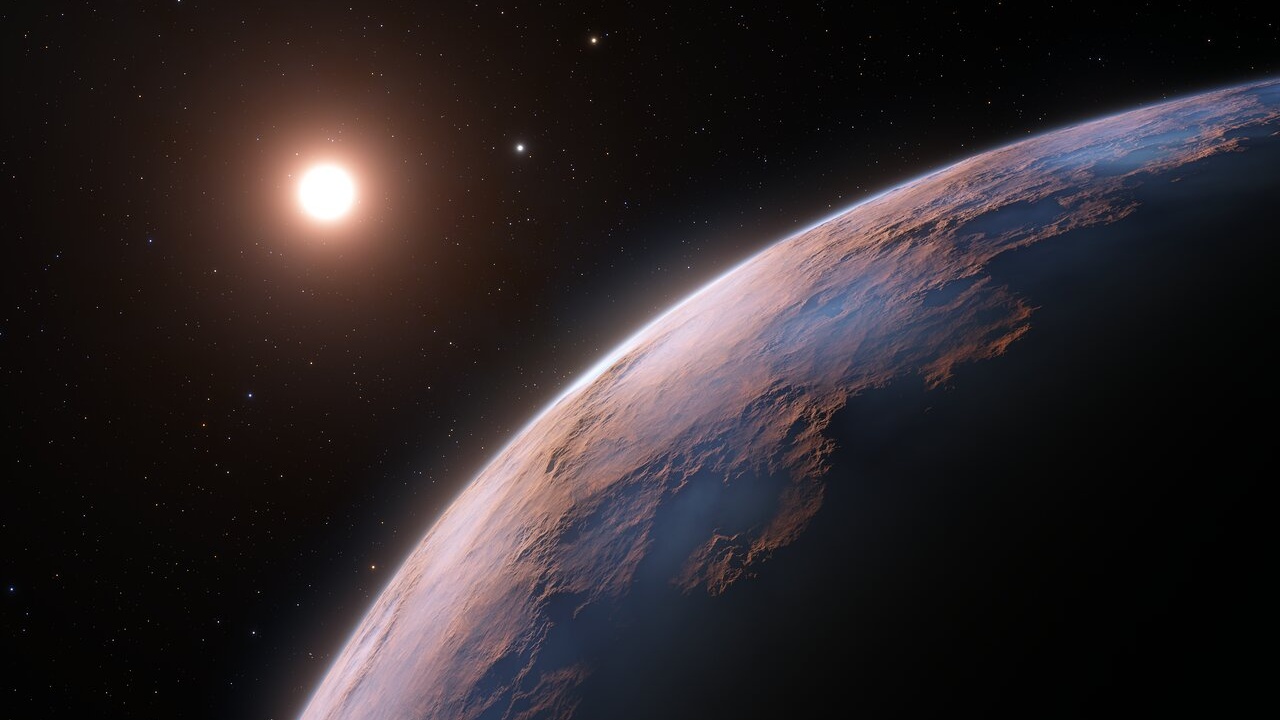
A machine-learning algorithm trained on synthetic planetary systems has been let loose — and in the process has identified nearly four dozen real stars that have a high probability of hosting a rocky planet in their habitable zone.
"The model identified 44 systems that are highly likely to harbor undetected Earth-like planets," said Jeanne Davoult, an astronomer at the German Aerospace Agency DLR, in a statement. "A further study confirmed the theoretical possibility for these systems to host an Earth-like planet."