Get all your news in one place.
100's of premium titles.
One app.
Start reading
The Conversation
The Conversation
Barbara Jacquelyn Sahakian, Professor of Clinical Neuropsychology, University of Cambridge

How antidepressants, ketamine and psychedelic drugs may make brains more flexible – new research

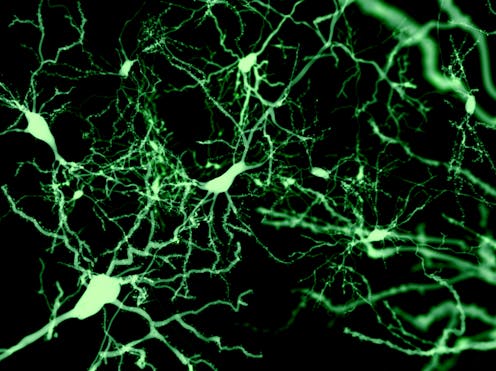
Juan Gaertner/Shutterstock

The first-line pharmacological treatment for major depressive disorder (MDD) are antidepressant drugs known as selective serotonin re-uptake inhibitors (SSRIs). But a significant proportion of people don’t respond to these drugs.

Given that major depression is a global mental health problem that is on the increase, it is important to find novel pharmacological treatments for those who do not respond to the current ones. But to do that, we need to understand exactly how the drugs work – which we currently don’t.

Sign up to read this article
Read news from 100's of titles, curated specifically for you.
Already a member? Sign in here
Related Stories
Top stories on inkl right now
Our Picks
Fourteen days free
Download the app
One app. One membership.
100+ trusted global sources.