
While over half of American seniors have traded original Medicare for the "perks" of private Medicare Advantage plans, Alaska remains the nation’s sole outlier. In 2026, it is the only state where individual Medicare Advantage plans are completely unavailable for general enrollment. This isn't due to state law, but rather a unique clash of geography and economics: in a state with among the highest care costs in the U.S., private insurers have found it impossible to build the low-cost provider networks that make the Advantage model profitable.
There were attempts in 2022 and 2023 to introduce individual plans in certain zip codes, but they were withdrawn by 2024 due to low enrollment and limited networks.
Why are there no individual MA plans in Alaska?
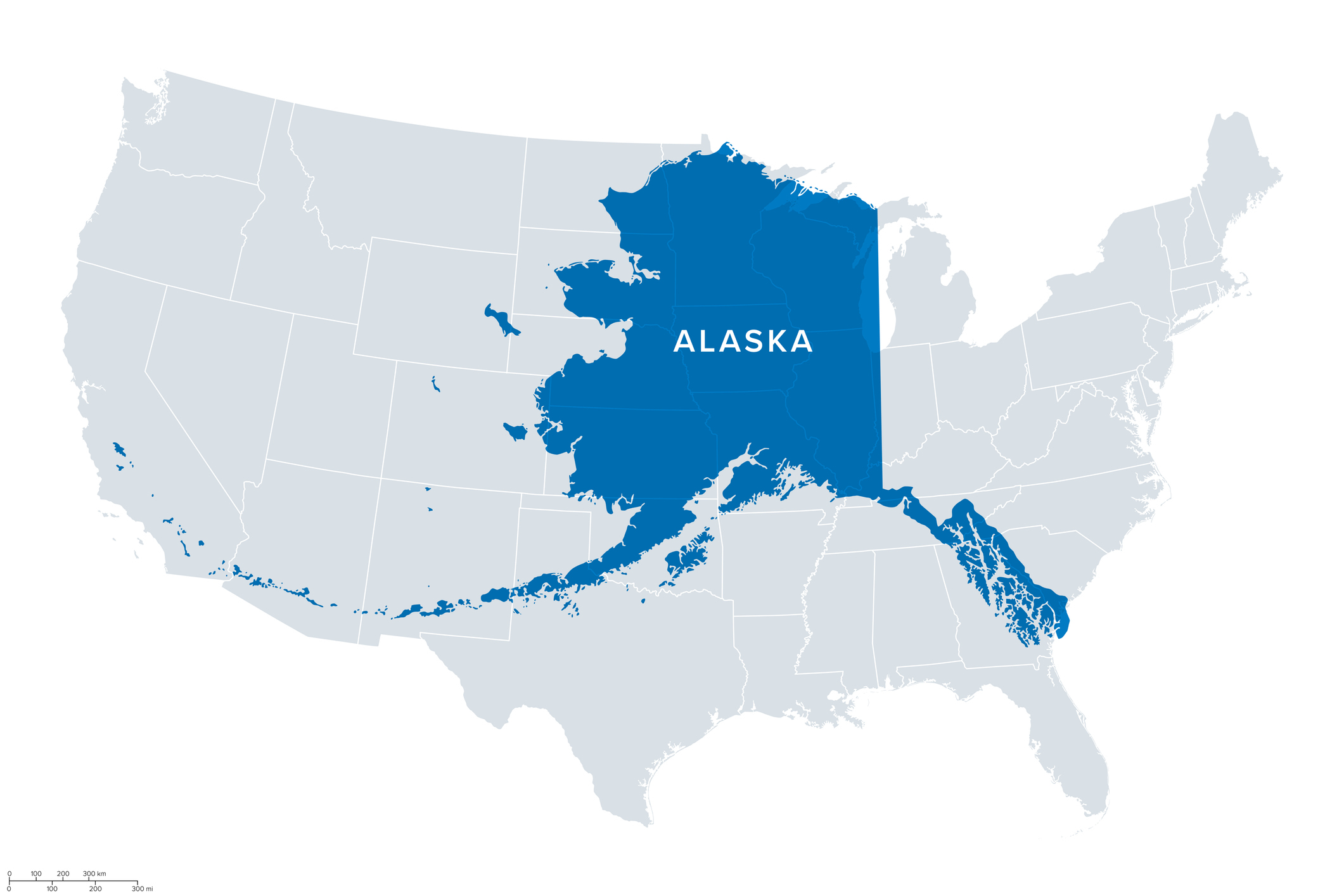
The absence of these plans isn't a legal ban or necessarily a lack of interest; it’s a matter of provider economics. Medicare Advantage relies on private insurers negotiating lower rates with doctors and hospitals that form their provider networks. Alaska has a highly fragmented healthcare landscape that increases service costs and can limit the ability to deliver care to residents.
Insurers have struggled to build "networks" because Alaskan doctors often refuse to accept the lower reimbursement rates offered by private MA plans compared to the standard federal Medicare rates. Why? Doctors and other medical professionals in Alaska face the high operational costs that are typical of "The Last Frontier." As a result, they opt out of Medicare at a higher rate (2.8%) than the national average of less than 2%, according to KFF.org.
Economically, the state faces significant pressure, ranking second nationally in per-capita health spending at $13,642 according to the North American Community Hub Statistics. For the past 15 years, Alaska's three biggest cities — Anchorage, Juneau, and Fairbanks — have held the top three spots for urban health costs, noted state economist Samuel Tappen in a report from the Alaska Department of Labor and Workforce Development.
"Alaska is a land of extremes for those 65 and older. While it ranks high in terms of 'spirit' and activity, it faces significant challenges in access to clinical care."
Patients frequently travel hundreds of miles to access specialized treatment, a logistical hurdle that complicates care coordination and inflates expenses. Advanced medical services are available; however, they remain heavily concentrated in urban centers like Anchorage and Fairbanks.
Although the economics are challenging for insurers, the health outcomes for Alaskan seniors are more nuanced.
How Alaska ranks for senior health

Alaska is a land of extremes for those 65 and older. While the state ranks high in terms of "spirit" and activity, it faces significant challenges in access to clinical care. Does the lack of Medicare Advantage hurt the health of older adults in Alaska? Here are the stats:
Metric |
Ranking |
Insight |
Overall senior health |
# 23 |
Information is from the 2025 Senior Report - America's Health Rankings. |
Physical activity |
#16 |
Highly active: 30.8% of Alaskan seniors are physically active, with an inactivity rate (29.2%) below the 31.7% national average. |
Clinical care access |
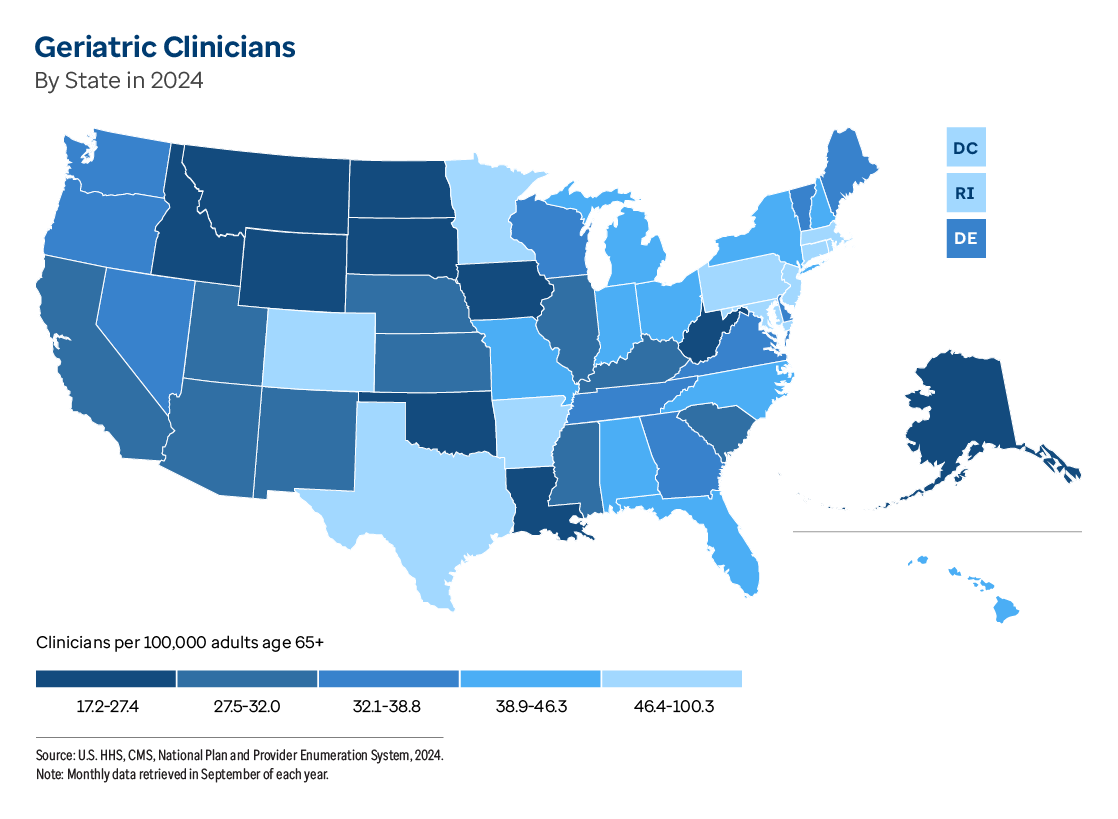
#42- 24.7 geriatric clinicians per 100,000 seniors, vs 39.9 U.S. average. |
Alaska's "Achilles' heel": The severe shortage of geriatric clinicians and home health workers per capita. |
High health status |
43.4% |
Better health: 43.4% of Alaskan seniors report "Excellent" or "Very Good" health, outperforming the 40.5% national average. |
Avoidable deaths |
Moderate |
Greater longevity: Early deaths (ages 65–74) have dropped 15% since 2021, showing better chronic disease management despite the lack of MA plans. |
Who does have MA plans in Alaska?

While you can't buy one as an individual, approximately 2% of Alaskans are actually enrolled in Medicare Advantage. These individuals fall into two distinct categories:
- Employer Group Waiver Plans (EGWPs): These are "Group Medicare Advantage" plans offered by large employers or unions to their retirees. For example, the State of Alaska (AlaskaCare) and some large unions use these group plans because they have the "bulk" power to negotiate specialized terms that individual plans can't match.
- Veterans and federal employees: Some retirees from the military or federal government may have specific managed-care options that resemble Advantage plans but are not available to the general public.
The pros and cons for the Alaskan senior
Alaska is a true outlier, as it remains the only U.S. state where you can't use the "Medicare Marketplace" to buy an individual Medicare Advantage (MA) plan. While 54% of Medicare enrollees have moved to these private plans, Alaska’s seniors almost exclusively use original Medicare paired with Medigap, which can ultimately impact their costs and care options.
Pros:
- The travel loophole: Because Alaskans are often forced to travel to Seattle or other hubs for specialized care, having a plan that is "network-free" is a massive logistical win. Original Medicare with a Medigap plan allows for this.
- Active aging: Since 43% of Alaskan seniors report "Excellent" health, they benefit more from access to diverse specialists than they do from "coordinated care" management.
- Stability: Medigap benefits are standardized by the government and cannot be changed year-to-year, whereas Advantage plans can drop doctors or change copays every January.
Cons:
- The "Perk" gap: Alaskans have to pay out-of-pocket for dental and vision care, which are often the most utilized services for those 65+.
- The fixed cost: For a senior on a tight fixed income, the $200+ monthly Medigap premium can be a significant burden compared to the $0 premium MA plans available in the Lower 48.
- Drug plan separation: Alaskans must shop for a standalone Part D drug plan, adding another layer of paperwork and a separate premium.
Older Alaskans are doing well

Despite the absence of managed care "wellness" programs typical of Advantage plans, Alaska’s seniors are holding their own. Ranking in the top half of the country for overall health status — with over 43% of those 65+ reporting excellent or very good health — Alaskans prove that "freedom of choice" might be the best medicine of all. As the state continues to face a shortage of geriatric specialists, the reliance on original Medicare ensures that when an Alaskan senior does find a doctor or has to travel to the lower 48, they don’t have to check a network map before booking an appointment.