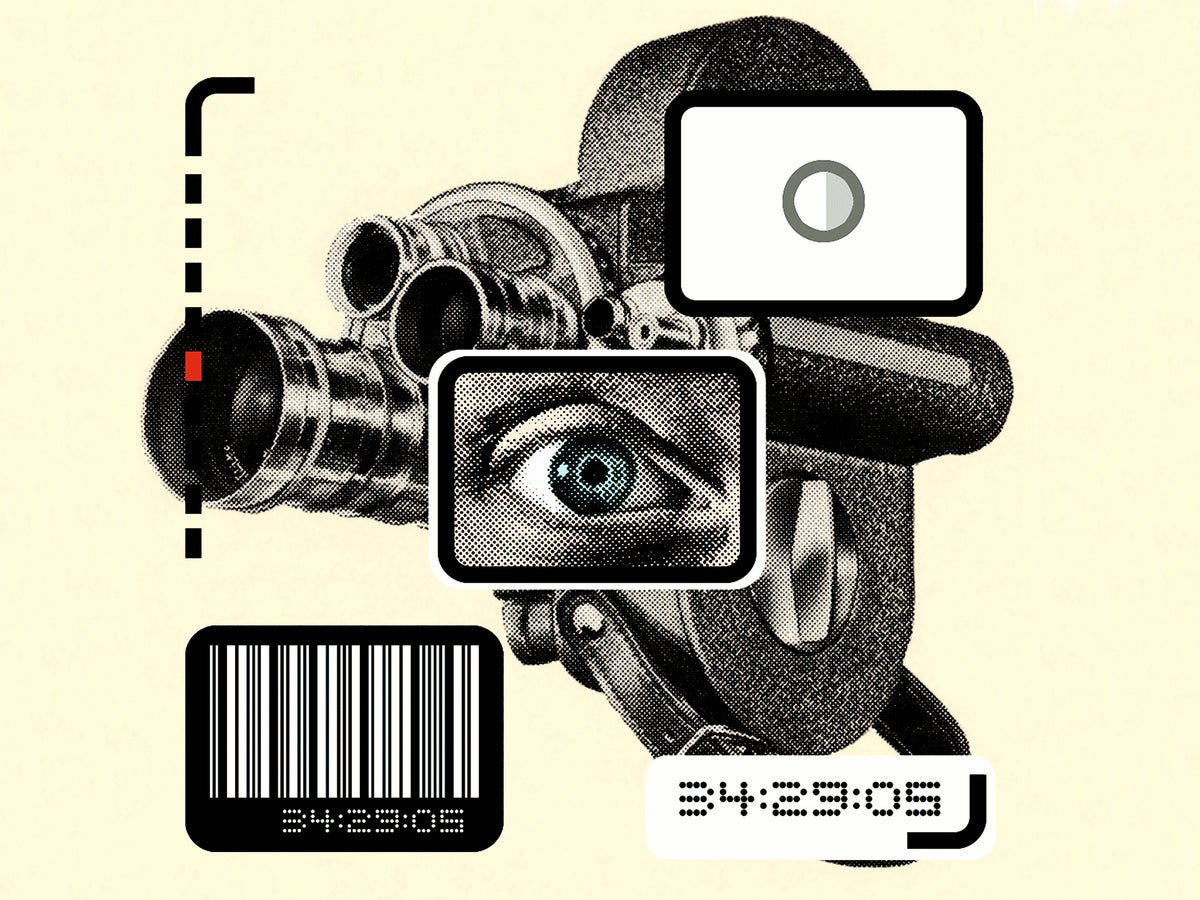
Twenty-three years and one month ago, Channel 4 broadcast footage of people snoring under duvets, in a custom-made house in Bow, east London. Big Brother had been born. Part social experiment, part comment on surveillance culture, part game show, Big Brother proved that people would watch strangers do anything – including nothing much at all – when there was something at stake.
Big Brother’s launch night was watched by 3.7 million people, and figures went up from there. Channel 4 even developed a 24-hour live feed, so fans could peer into the house at any time. That was only the start. As the new millennium kicked into gear, reality not only seemed stranger than fiction, but more gripping and compulsive than it, too. Today, viewers are so used to being voyeurs that it’s hard to separate reality TV from television more broadly; to know where reality ends and begins.