Texas health officials are sounding an early alarm this mosquito season. The Texas Department of State Health Services (DSHS) has confirmed the state's first human case of West Nile virus for 2026 — and it's a severe one. The infected resident lives in Harris County, home to the city of Houston, the fourth-largest city in the United States. What makes this case especially concerning is its classification as West Nile neuroinvasive disease, the most dangerous and rare form of the infection.
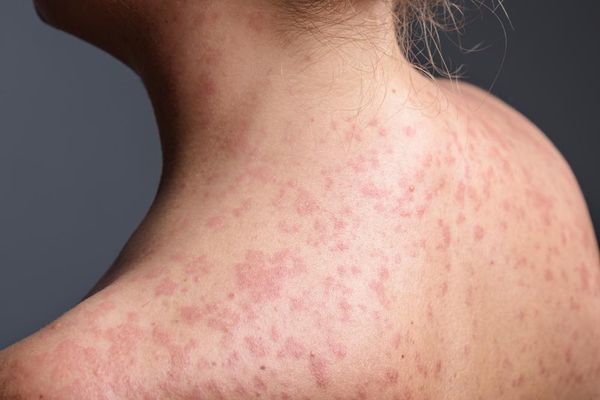
Unlike the more common West Nile fever, which produces flu-like symptoms, neuroinvasive disease attacks the central nervous system, causing tremors, convulsions, neck stiffness, disorientation, and in serious cases, lasting paralysis or death. Health officials stress that while fewer than 1% of those infected ever reach this stage, the severity demands immediate attention, particularly in a dense urban environment like Greater Houston.

A City With a Long West Nile History — and a Growing Mosquito Problem
Houston is no stranger to West Nile virus. According to data from the CDC and the journal Emerging Infectious Diseases, West Nile has been detected every single year in Houston and Harris County since 2002. The 2014 outbreak was the largest on record for the area, producing 139 confirmed cases and two deaths, with over 1,286 positive mosquito pools that season.
The current year is shaping up to be another dangerous one. According to Harris County Public Health, mosquito activity typically peaks during the warmer summer months, but recent heavy rains across the Greater Houston area have accelerated the timeline considerably. Dr. Maximea Vigilant, director of Harris County Public Health's mosquito and vector control division, warned that standing water following recent storms had already led to a surge in local mosquito populations.
The Texas Department of State Health Services reports that 976 total West Nile cases have been recorded statewide over the last five years alone, resulting in 106 deaths. In 2024, the deadliest single year of that span, 57 Texans died from the virus. That sobering context underscores why a May diagnosis of the most severe form of the disease is raising eyebrows this early in the season.
Six Counties Already Have Positive Mosquito Pools
The human case in Harris County is not the only red flag. According to Houston Public Media, six other Texas counties have already reported mosquito pools that tested positive for West Nile in 2026 — including Bexar (San Antonio), Brazoria, Dallas, Fort Bend, Montgomery, and Tarrant (Fort Worth). Of those, Brazoria, Fort Bend, Montgomery, and Harris County all fall within the broader Houston metropolitan region.
DSHS Commissioner Jennifer A. Shuford, MD, MPH, issued a pointed statement: 'West Nile and other mosquito-borne illnesses are a fact of life in Texas in the warmer months, and all Texans should take precautions against mosquito bites to stay safe and healthy. By removing standing water around the home, people can eliminate mosquito breeding grounds and reduce insect populations in their area.'
West Nile virus is transmitted through the bite of infected Culex mosquitoes, which contract the virus by feeding on infected birds. The virus does not spread from person to person. About 80% of those infected never develop symptoms at all. The remaining 20% typically experience West Nile fever — a milder illness marked by fever, headache, nausea, and muscle aches. The fraction that develops neuroinvasive disease tends to be older adults or those with weakened immune systems, though exceptions exist.
World Cup 2026 in Houston Adds an Unusual Layer of Risk
Houston's West Nile situation carries added significance this summer. The city is one of 11 American host cities for the FIFA World Cup 2026, scheduled to begin in June. Hundreds of thousands of international visitors are expected to flood the region for weeks. Outdoor fan zones, stadiums, and extended outdoor gatherings create ideal conditions for mosquito exposure, particularly in the evenings when Culex mosquitoes are most active.
Local infectious disease experts are quietly monitoring the situation. Dr. John McCullers, dean of the Tilman J. Fertitta Family College of Medicine at the University of Houston, emphasized that the public should not panic but must be informed. Health officials are urging event organizers and venues to implement mosquito control measures throughout the tournament.
Public health advocates point out that the city's obligation to protect domestic residents is compounded this year by the influx of visitors, many of whom may be unfamiliar with mosquito-borne disease risks in the Gulf Coast region. Wearing insect repellent containing DEET, covering skin during dusk and dawn hours, and eliminating standing water on private property remain the cornerstones of prevention.
What Officials Are Urging Residents to Do Now
The DSHS, Harris County Public Health, and the Centers for Disease Control and Prevention have all issued guidance urging Houston-area residents to take immediate, practical steps:
Dump any standing water from flowerpots, buckets, birdbaths, kiddie pools, clogged gutters, and outdoor toys at least once a week. Use EPA-registered insect repellents when spending time outdoors. Wear long sleeves and pants from dusk to dawn when Culex mosquitoes are most active. Repair window and door screens to prevent mosquitoes from entering the home. Residents who develop sudden-onset fever, severe headaches, stiff neck, confusion, or muscle weakness are urged to seek immediate medical evaluation and inform their provider of potential mosquito exposure.
The bottom line: Houston's West Nile season has arrived ahead of schedule. With a confirmed neuroinvasive case already on the books, six surrounding counties showing positive mosquito pools, and one of the world's largest sporting events on the horizon, this is not a year to be complacent about mosquito control. Local, state, and federal health officials are watching closely — and residents should be too.
RELATED ON SCIENCETIMES.COM
→ Measles Outbreak 2026: How 1,952 Cases Are Threatening U.S. Elimination Status
→ Ebola Bundibugyo: Houston Airport Now Screening Travelers From DRC and Uganda
→ Hantavirus on the High Seas: What the MV Hondius Outbreak Means for U.S. Ports
→ Dengue, Zika, and Chikungunya: The Rising Threat of Tropical Mosquito Diseases in U.S. Cities
→ Summer 2026 Health Threats: What Every Major U.S. City Needs to Know