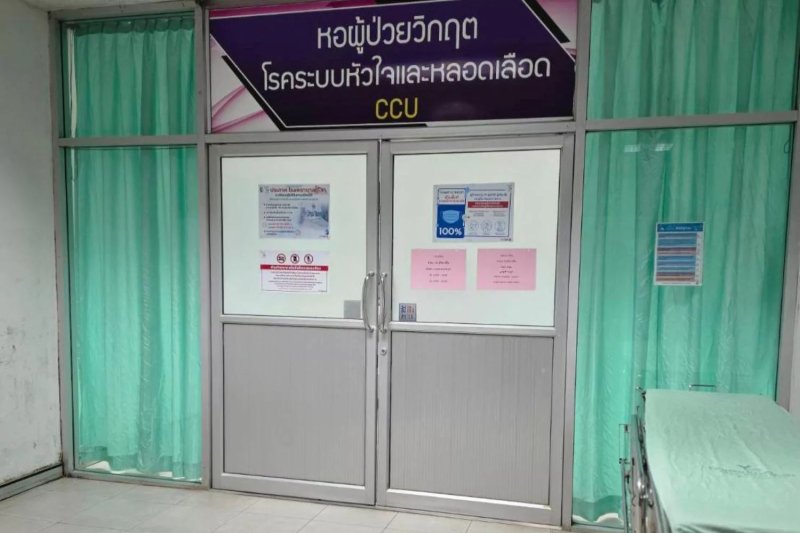
The JSD-South journalism association received a complaint on July 5 that a hospital had demanded a 30,000-baht deposit from the family of a critically ill 76-year-old patient before allowing emergency surgery.
The patient's daughter said her mother suffered from a critical heart condition. She was due to be taken into the operating theatre at 10am on July 4. Shortly before then, staff told the family that a 30,000-baht cash deposit was required, or the operation could not proceed.
She said the family earn a combined 200-300 baht a day tapping rubber and there were seven people to support. They had to borrow the money at short notice.
She said a doctor at the operating theatre had appeared surprised on learning the family had been made to pay, asking whether payment was really required.
Other patients' relatives waiting outside the intensive care unit told her they had faced similar demands, she said.
A doctor working in Yala, who asked not to be named, said hospitals were increasingly overcharging patients under the universal coverage (gold card) health scheme, in direct breach of the rules. The problem, he said, had spread across several departments. The National Health Security Office (NHSO) was aware of the issue, the doctor said.
He attributed the problem to hospitals miscalculating treatment costs and to delays in NHSO reimbursements late in the fiscal year making state hospitals "appear to be" running at a loss.
He said major operations such as brain surgery did not in fact cost state hospitals money. Some had wrongly applied private-hospital accounting methods, including charging patients for depreciation and building costs already covered by government funding.