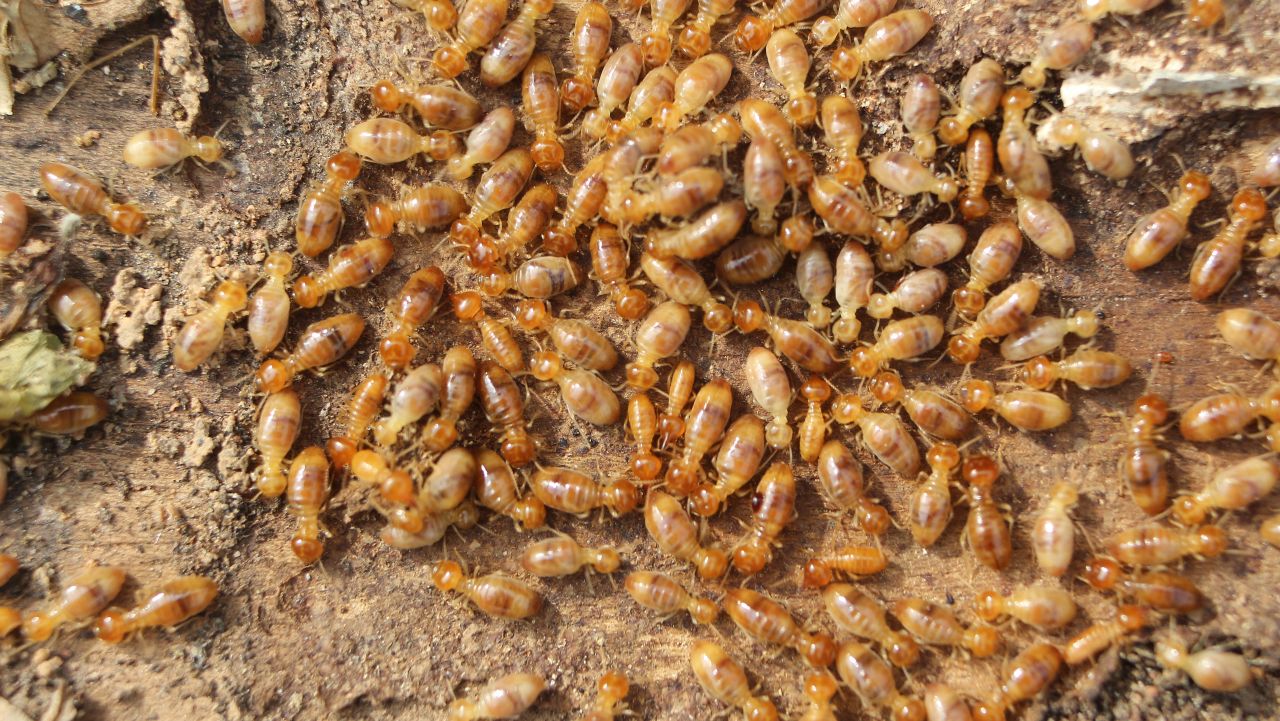
When it comes to household pests, there’s nothing more destructive than termites. These tiny yet mighty insects feast on wood, causing damage and havoc for homeowners if not dealt with immediately.
And just when you thought it couldn’t get much worse, there is a new breed of termite showing up across the United States — the ‘super termite’. This destructive pest can not only multiply quickly but can also eat more than just wood, leading to serious damage to homes.
Sounds like the stuff of nightmares? Here’s everything you need to know.
What are ‘super termites’ and what to look for?
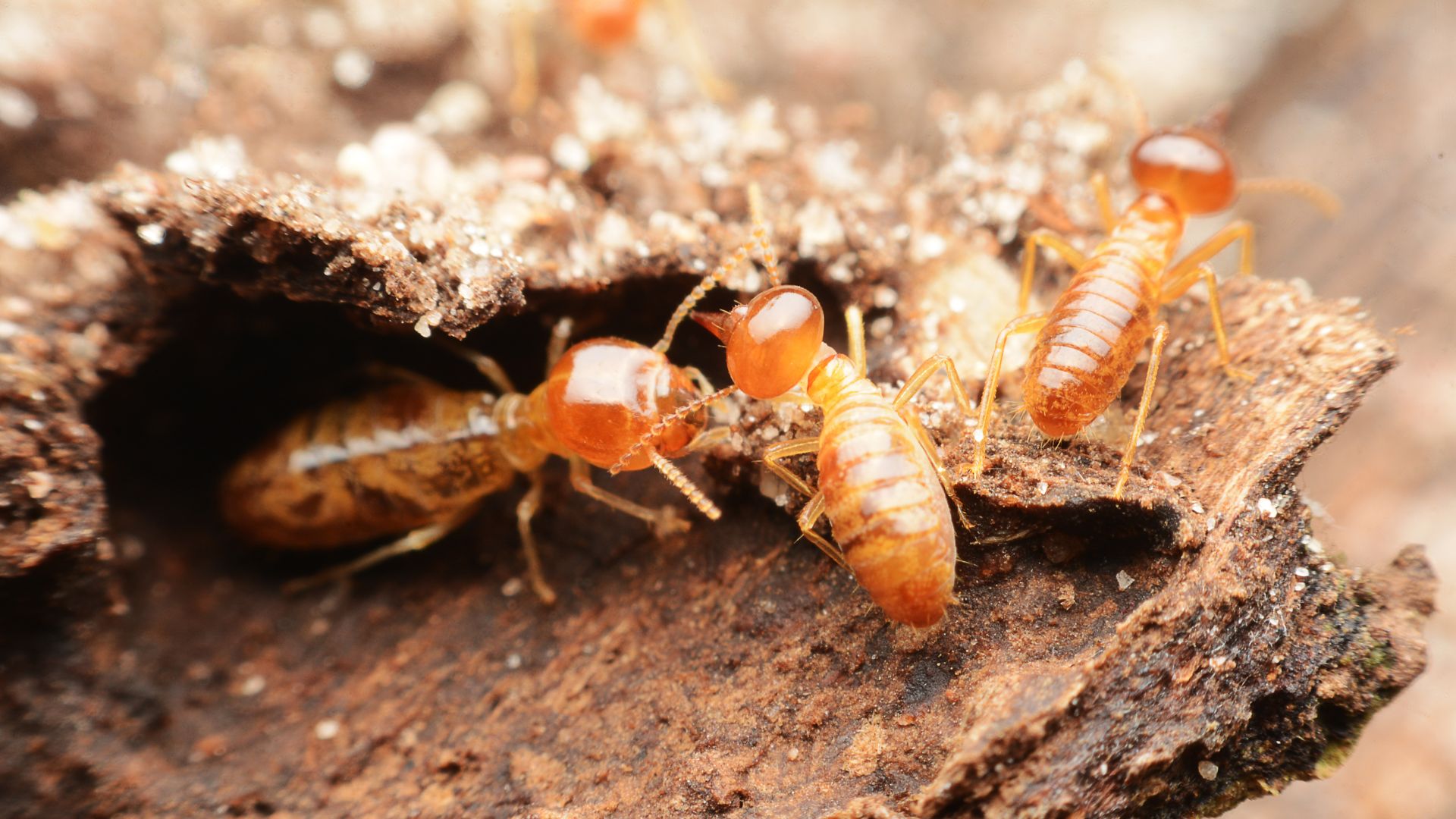
Typically known as the Formosan termites, this breed is currently spotted in various states, including Alabama, Florida, Georgia, North Carolina, and Texas.
While most termites would happily gnaw on anything wooden, from beams and furniture to trees and shrubs in the yard, these hungry termites are also feasting on literally anything they can find.
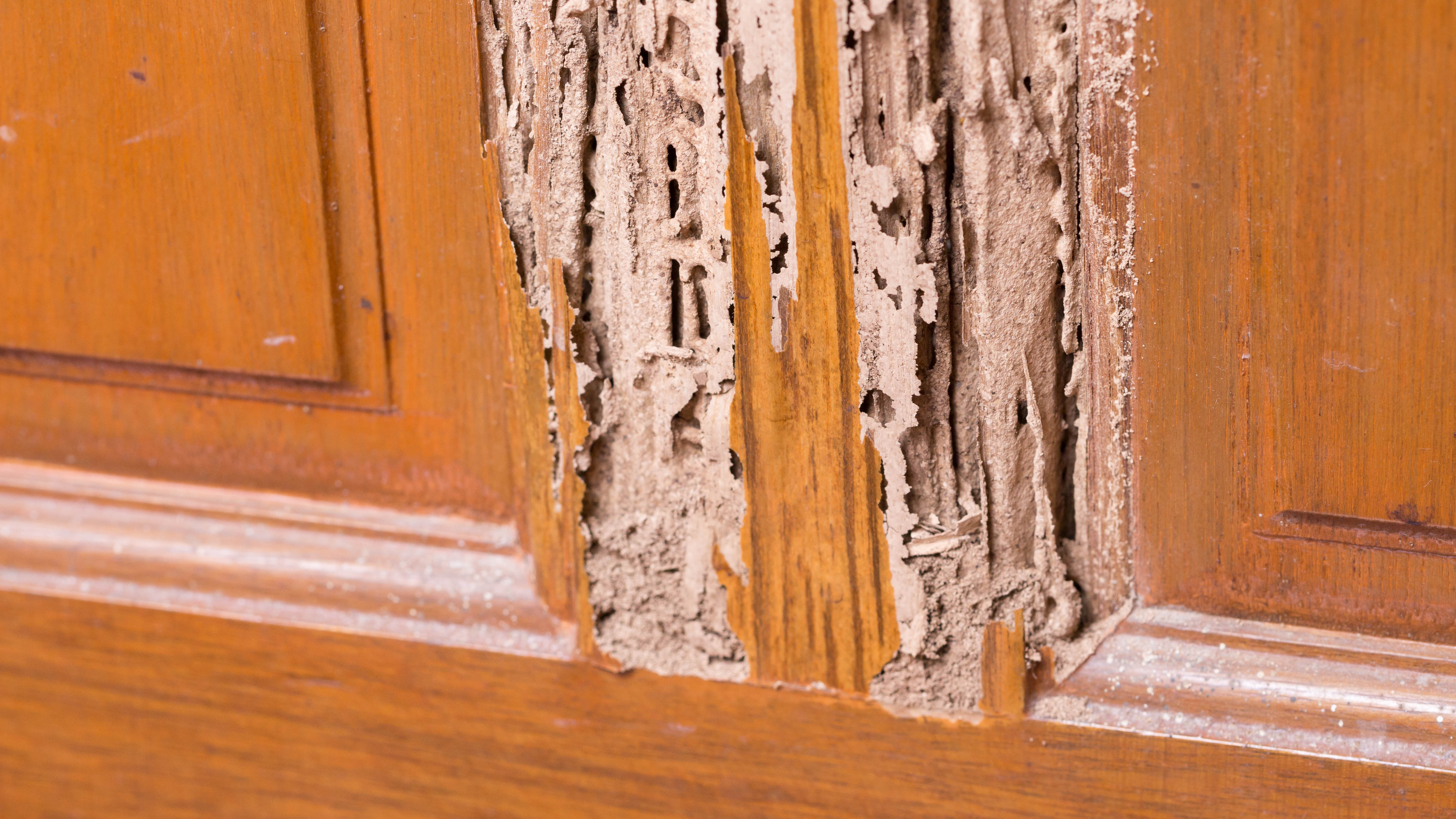
This can include electrical cable insulation, utility poles, and any materials containing cellulose, such as books, wallpaper, and carpeting. In addition, if you suddenly spot holes or bubbling in your wallpaper or drywall, chances are you have a termite infestation.
Alongside these telltale signs you have termites in your home, other signs of having Formosan termites include mud tubes, bubbling and hollow-sounding spots. This is mainly because they will travel through mud tubes from outside to the inside of your home to find more things to munch on.
Also, look out for what appears to be water leaks on walls, as termite colonies can bring in moisture inside your wall foundations.
How to prevent termites in your home
Like any method of pest-control, prevention is always the key to avoid a termite infestation. First, clear your yard or outdoor spaces to eliminate anything that will attract termites. Since termites feast on wood in damp conditions, ensure the ground around your home is dry. And check for any plumbing leaks or blocked drains that will create moist soil. Additionally, if you’re storing firewood or any clutter outdoors, ensure it’s off the ground and away from the exterior walls of your home.
Another top tip is to inspect your home for any cracks or tiny holes and seal it properly with caulk or silicone. You want to eliminate any entryways for sneaky termites to invade your home and cause serious damage.
Of course, if you find signs of termites, it's better to let the professionals check or exterminate them for you. Which would probably be less costly than expensive repairs caused by these tiny menaces.

Follow Tom's Guide on Google News and add us as a preferred source to get our up-to-date news, analysis, and reviews in your feeds.