Get all your news in one place.
100’s of premium titles.
One app.
Start reading
Clever Dude
Clever Dude
Brandon Marcus

Home Inspectors Say These Winter Fixes Lead to Expensive Repairs Later

Home Inspectors Say These Winter Fixes Lead to Expensive Repairs Later
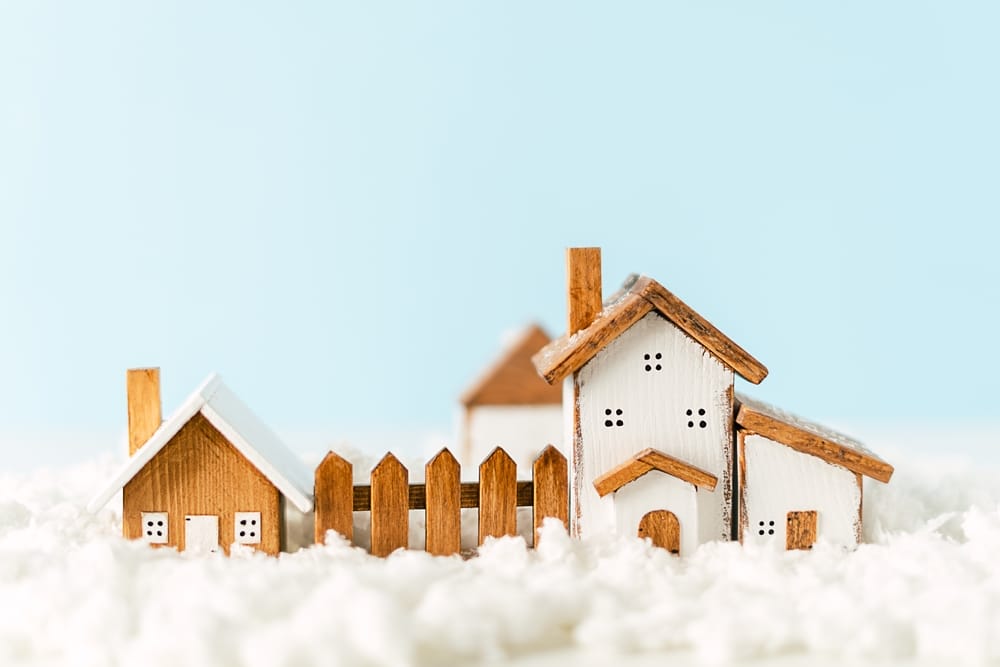
Image source: Shutterstock.com

Winter has a special talent for making homeowners feel productive and heroic. The wind is howling, the heater is working overtime, and suddenly every creak, draft, or icy patch feels like an emergency begging for a quick fix. Grabbing a tube of caulk or cranking the thermostat can feel satisfying in the moment, like you’ve outsmarted the cold.

But according to seasoned home inspectors, many popular winter “solutions” quietly set the stage for massive repair bills once the snow melts. What feels clever now can turn into chaos later, and knowing the difference can save thousands.

Cranking The Heat Instead Of Fixing Insulation

When a home feels chilly, the most common reaction is to turn the thermostat up and call it a day. Home inspectors regularly see this approach masking serious insulation problems that only get worse with time. Poor attic or wall insulation allows heat to escape, forcing HVAC systems to run longer and harder than designed. That extra strain shortens the life of furnaces and heat pumps, often leading to premature failure. Even worse, warm air leaking into cold spaces can cause condensation, which encourages mold growth and wood rot behind walls. Fixing insulation may feel less exciting than blasting the heat, but it prevents hidden damage that inspectors find far too often.

Sealing Drafts Without Addressing Moisture Issues

Sealing drafts around windows and doors is a classic winter task, and it’s not inherently bad. The problem arises when homeowners seal everything tightly without understanding how moisture moves through a house. Inspectors warn that over-sealing can trap humidity indoors, especially in bathrooms, kitchens, and basements. Excess moisture has nowhere to escape, leading to peeling paint, warped trim, and mold colonies that thrive in damp conditions.

Many homes need balanced ventilation, not just tighter seals. A draft-free house that can’t breathe properly often ends up with air quality problems and expensive remediation down the road.

Ignoring Ice Dams And Just Knocking Them Off

Icicles hanging from the roof might look charming, but they often signal ice dams forming underneath. Some homeowners respond by knocking ice off the edges of the roof and calling it solved. Home inspectors consistently warn that this treats the symptom, not the cause. Ice dams usually form due to uneven roof temperatures caused by poor insulation or ventilation in the attic. Water backs up under shingles, soaking roof decking and insulation where it quietly causes rot and leaks. By the time stains appear on ceilings, repairs can involve roofing, drywall, and insulation replacement. Addressing attic airflow early is far cheaper than repairing water-damaged interiors.

Home Inspectors Say These Winter Fixes Lead to Expensive Repairs Later
Image source: Shutterstock.com

Using Space Heaters As A Long-Term Solution

Space heaters feel like a miracle during cold snaps, especially in older homes or drafty rooms. Inspectors, however, frequently note scorch marks, overloaded circuits, and fire hazards linked to constant space heater use. Beyond safety risks, relying on space heaters often means underlying heating system issues are being ignored.

Duct leaks, failing components, or improperly sized systems continue to deteriorate while the heater acts as a temporary crutch. Electrical systems also suffer under the repeated heavy load, sometimes leading to melted wiring inside walls. What starts as a cozy fix can quietly undermine both safety and infrastructure.

Patching Roof Leaks Instead Of Investigating The Source

A small winter leak can tempt homeowners to apply a quick patch and hope spring never comes. Home inspectors see this mistake constantly, and it almost always leads to larger repairs later. Winter leaks often originate far from where water finally appears, traveling along beams or insulation before dripping indoors. A surface patch rarely addresses flashing failures, aging shingles, or structural issues underneath.

Trapped moisture freezes and thaws repeatedly, widening cracks and weakening materials. By the time warmer weather reveals the true extent of the damage, repairs are far more extensive than if the source had been properly investigated early.

Closing Vents In Unused Rooms

It seems logical to close vents in rooms you’re not using to save on heating costs. Inspectors say this strategy often backfires in modern HVAC systems. Closing vents increases pressure in the ductwork, which can cause leaks or even damage the system over time. That imbalance also forces the furnace to work harder, reducing efficiency and shortening its lifespan. Some rooms may become cold enough for pipes to freeze, introducing an entirely new category of expensive problems. Proper zoning systems exist for a reason, and manual vent closing rarely replicates their benefits safely.

Skipping Gutter Maintenance Because Of Snow

Snow-covered gutters give a false sense of security, making it easy to postpone maintenance. Home inspectors warn that clogged gutters in winter are a major contributor to ice dams and foundation issues. When melting snow can’t drain properly, water spills over the edges and refreezes near the roofline or along the foundation. Over time, this cycle damages fascia boards, siding, and even basement walls. Ice expansion can loosen gutters entirely, leading to costly replacements. A quick inspection and cleaning before deep winter hits can prevent a chain reaction of damage.

Using Temporary Pipe Freeze Fixes

Frozen pipes inspire panic, and temporary fixes often feel like lifesavers. Wrapping pipes with towels, blasting heat, or using hair dryers can thaw them, but inspectors caution against stopping there. Frozen pipes indicate inadequate insulation or airflow in vulnerable areas like crawl spaces and exterior walls. If the root cause isn’t addressed, pipes may freeze again or burst unexpectedly. Even minor bursts can cause extensive water damage in a short time. Permanent insulation and sealing solutions cost far less than repairing soaked floors, walls, and personal belongings.

Smart Winter Choices Protect Your Home Long-Term

Winter fixes can feel urgent, satisfying, and necessary, but home inspectors consistently see how quick decisions ripple into expensive consequences. Addressing root causes instead of symptoms keeps homes safer, more efficient, and far less stressful to own. Thoughtful maintenance during cold months protects systems, structures, and sanity when spring finally arrives. Every home has a winter story, whether it ended in relief or regret.

Drop your experiences, lessons learned, or cautionary tales in the comments below and keep the conversation going.

You May Also Like…

How Your Home Can Save You Money in the New Year

10 Small Repairs That Save Drivers Thousands Over Time

10 Home Improvements That Are Actually Illegal (But People Do Them Anyway)

10 Upgrades Homeowners Regret Skipping During Construction

Home Energy Bills Are Surging And Men Are Racing For DIY Fixes

The post Home Inspectors Say These Winter Fixes Lead to Expensive Repairs Later appeared first on Clever Dude Personal Finance & Money.

Sign up to read this article
Read news from 100’s of titles, curated specifically for you.
Already a member? Sign in here
Related Stories
Top stories on inkl right now
One subscription that gives you access to news from hundreds of sites
Already a member? Sign in here
Our Picks
Fourteen days free
Download the app
One app. One membership.
100+ trusted global sources.