From higher entry costs to restrictions in everyday life such as shorter opening hours for restaurants and museums - the government in Egypt has pulled the ripcord at short notice in the face of the worsening energy crisis.
Visas becomes more expensive - e-visa as an alternative
It can already be more expensive to enter the country. From March 2026, the so-called "visa on arrival" will cost around $30 (€25.90) instead of the previous $25 (€21.58), as reported by the internet portal reisereporter.de, among others.
If you want to save money, you can switch to the electronic visa. This remains at $25, but must be applied for online in good time before departure. In addition, waiting times at the airport can often be reduced.
Restaurants and shops close earlier
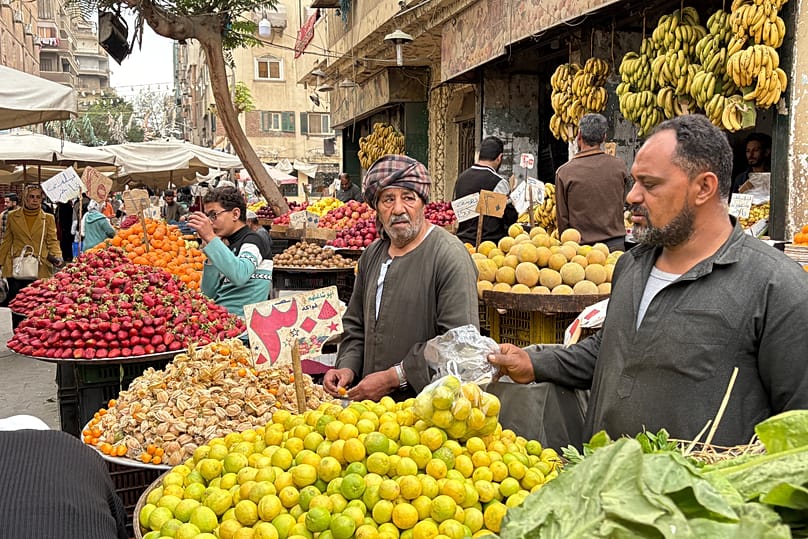
The new rules are much more noticeable in everyday life. From the end of March, restaurants, cafés and shops across the country will have to close at 9 pm. Only on Thursdays and Fridays will they be allowed to stay open until 10 pm.
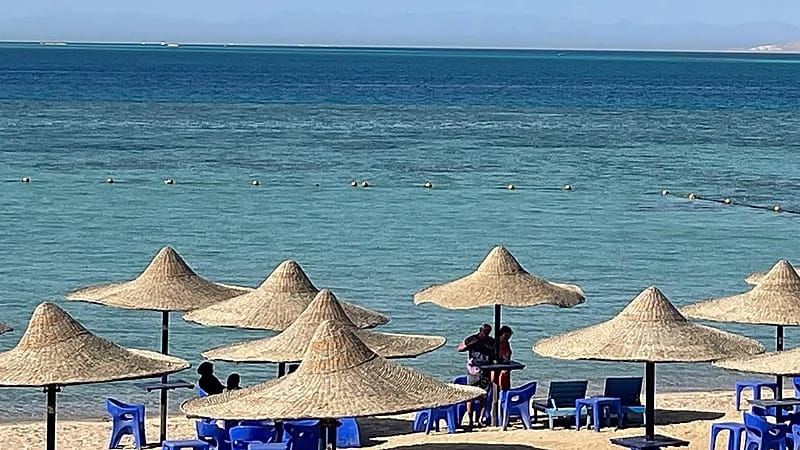
The rule will also apply in classic holiday resorts such as Hurghada or Sharm el-Sheikh - although hotels themselves are exempt from the restrictions.
Isolated power cuts
Behind the measures is a tense economic situation. Rising energy prices and declining gas imports have put the country under pressure. According to the online newspaper Egypt Independent, Prime Minister Mostafa Madbouly spoke of an "extraordinary crisis".
In order to save energy, street and advertising lighting is being reduced, some government employees are working from home and overall electricity consumption is being cut.
According to reports, there may also be isolated power cuts in the evenings. However, hotels are usually prepared for this and have emergency power generators.
Minister reassures that tourists won't be affected
The government is endeavouring to minimise the impact on tourism, which is a key economic factor for the country.
Sherif Fathy, Egypt’s Minister of Tourism and Antiquities, confirmed in a statement to Euronews that the recently announced measures to rationalise energy consumption "will not impact tourists, their overall experience or the quality of the services provided to them during their stay in Egypt".
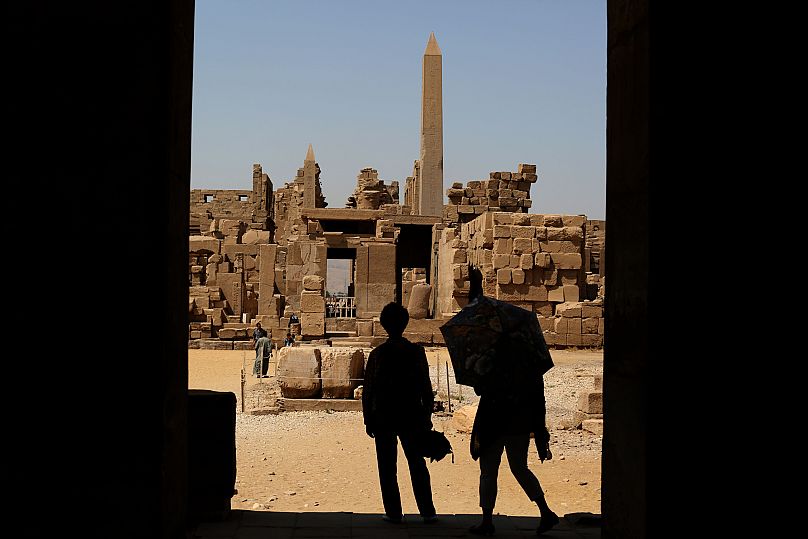
He explained that these measures do not apply to Egypt’s tourist destinations, including Hurghada, Marsa Alam, Luxor, Aswan, Sharm El-Sheikh, and others. The exemption also applies to "tourist restaurants in all destinations including Cairo, ensuring that services continue to be delivered seamlessly and at the highest standards".
The minister reaffirmed the state’s commitment to "providing a safe, high-quality, and fully integrated tourism experience for all visitors, in line with Egypt’s standing as one of the world’s leading tourism destinations". He added that the measures are "temporary and regulatory in nature and will be subject to ongoing reviews and adjustments".
Security situation still varies from region to region
Despite the current situation, holidays are still possible in many parts of the country, but there are regional differences.
Tourist centres such as Cairo, Luxor and resorts on the Red Sea are still considered comparatively safe, although increased caution is called for. However, Germany's Federal Foreign Office has issued partial travel warnings for parts of the Sinai Peninsula and border regions.
The Egyptian government actually wanted to further expand nightlife and tourism. However, the energy shortage - exacerbated by geopolitical tensions in the Gulf region as a result of the Iran war - is currently having the opposite effect.
The booking situation has been stable recently, but has been dampened by the current developments. How long the restrictions will remain in place depends largely on the future energy supply.