
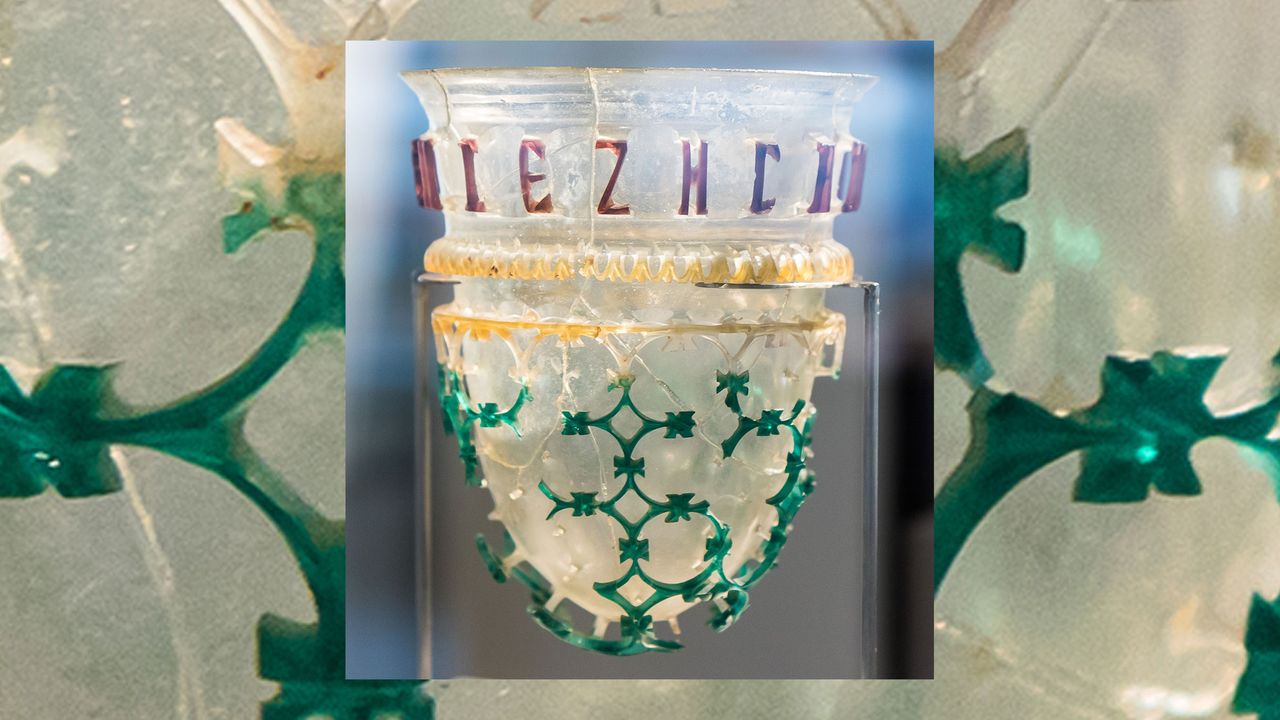
It appears that a 1,700 year old logo has just been discovered by an artist and professor studying Roman artefacts. This find shows that branding is not a modern construct, but has been an important part of consumerism since Roman times.
Until now, common thought was that these medieval logos from the 13th to 17th centuries could well be the oldest in the world, but this theory blows that timeline out of the water by hundreds of years.
The discovery happened whilst Hallie Meredith was examining diatreta (ancient Roman glassware) from between the fourth and sixth centuries CE. While looking at what she originally assumed to be decorative pattern, a part of the artifacts usually ignored by scholars in favour of the written inscriptions, Meredith realised that the pattern may well have further meaning.
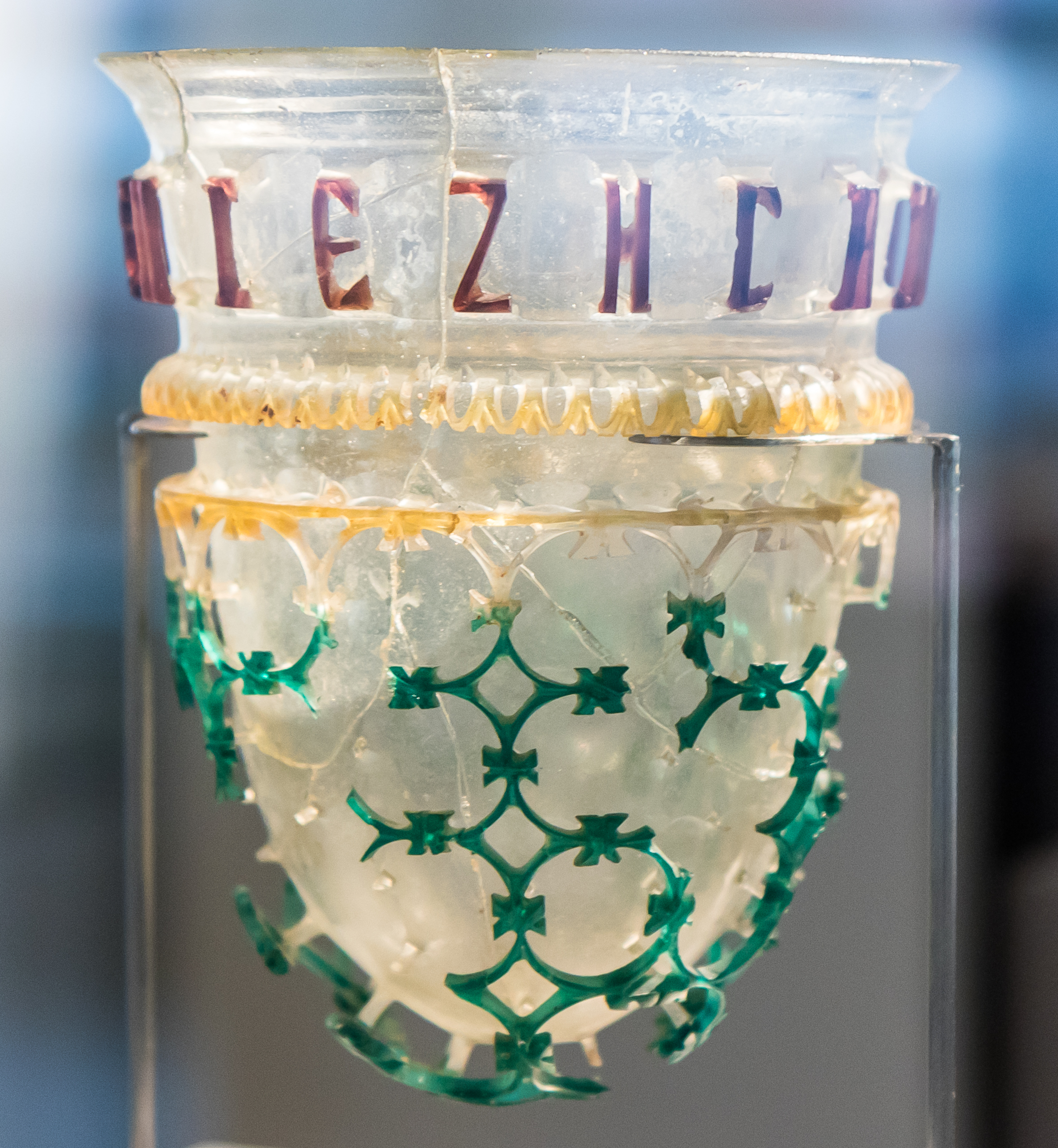
After studying other vessels held in different museums, Meredith noticed that there were recurring motifs like leaves, figures and diamonds that were acting just like a logo – signifying the maker, or group of makers, of certain diatreta – and that they were potentially acting as a cooporative rather than alone. The glassware had been branded as a signal to consumers so they knew which workshop had made the object.
As Archeology Magazine states, this points to there being more economic nuance behind these luxurious items than first thought. And it leads you to wonder if these logos had the same cache as those of fashion house logos now – were the decorative patterns sought after and as highly regarded in social standings?
Find out more in Meredith's article: An approach to craft and craftworkers in process: re-examining late 3rd-6th century CE Roman carvings, inscriptions, and engraved symbols.