Get all your news in one place.
100's of premium titles.
One app.
Start reading
The Conversation
The Conversation
Smita S. Iyer, Associate Professor of Pathology, University of Pittsburgh

HIV enters the brain and doesn’t leave – paradoxically, drugs intended to reduce brain inflammation increase virus levels

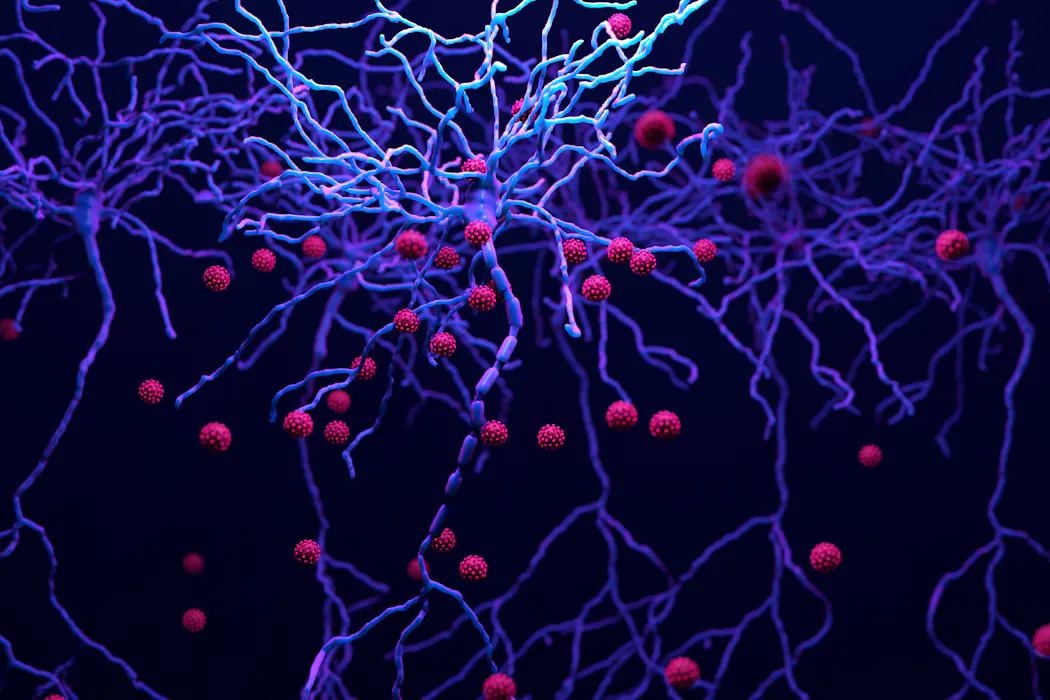
HIV hides in reservoirs in the brain, causing persistent inflammation and long-term damage. Design Cells/iStock via Getty Images Plus

HIV can damage the brain and cause memory and cognitive problems. And once HIV enters the brain, it does not leave.

HIV targets a type of immune cell called helper T cells. These immune cells move throughout the body, including the brain, constantly scanning for pieces of foreign proteins called antigens that typically indicate the presence of a pathogen. When helper T cells detect antigens, they activate other immune cells to clear the infection.

Sign up to read this article
Read news from 100's of titles, curated specifically for you.
Already a member? Sign in here
Related Stories
Top stories on inkl right now
One subscription that gives you access to news from hundreds of sites
Already a member? Sign in here
Our Picks
Fourteen days free
Download the app
One app. One membership.
100+ trusted global sources.