Homeowners aren’t the only ones enjoying property prices hitting near historic highs. Debt collectors are, too, by enforcing collection on “zombie mortgages.”
The loans earned the “zombie” moniker from mortgages that homeowners believed were settled or paid off years before. When debt collectors call and demand payment, it's as if the loan has come back from the dead, noted the Consumer Financial Protection Bureau. More than 600,000 “zombie mortgages” are alive and well, according to a 2025 Bloomberg News investigation.
“This issue has become more visible in recent years,” said attorney Leslie H. Tayne, a debt and finance expert, and founder of New York-based Tayne Law Group.
“Since home values have increased in recent years, and some homeowners have built significant equity, these liens and second mortgages have become more valuable to collect, which has resulted in debt collectors pursuing them more aggressively.”
Zombie mortgages have left some people in danger of losing their homes to foreclosure because of missed payments. These payments are often tied to second mortgages, home equity loans and home equity lines of credit, said Denese Carty, East Coast divisional director at home loan lender Churchill Mortgage.
Recession roots
Zombie mortgages grew out of the chaos and confusion of the 2008 Great Recession.
Risky lending, such as approving home loans for borrowers with bad credit, and other factors sent the housing market spiraling downward, devastating the banking sector and crashing the economy. As a result, foreclosures tripled in 2008 from 2006, according to Pew Research.
Many homeowners had second mortgages, the Consumer Financial Protection Bureau noted. Those mortgages included loans that helped pay for the home purchase, while others, such as home equity loans and lines of credit, were taken out post-purchase , the Consumer Financial Protection Bureau notes.
Some lenders believed borrowers wouldn’t pay back these second mortgages during the Great Recession, so they tried to recoup some of the cost by selling them to a debt collector without the homeowner knowing.
In many cases collectors didn’t immediately notify the homeowner and sat on the debt for years. The debt collectors waited until homes built up enough equity - the difference between a home’s value and loan balance - so that they could make money from that equity when they went to collect the debt.
Home values have risen to historic highs over the past three years and home equity has boomed since the 2008 crisis - from $5.3 trillion in 2009 to almost $17 trillion today. It means debt collectors have resurrected second mortgages to cash in on foreclosures.
Paying the price
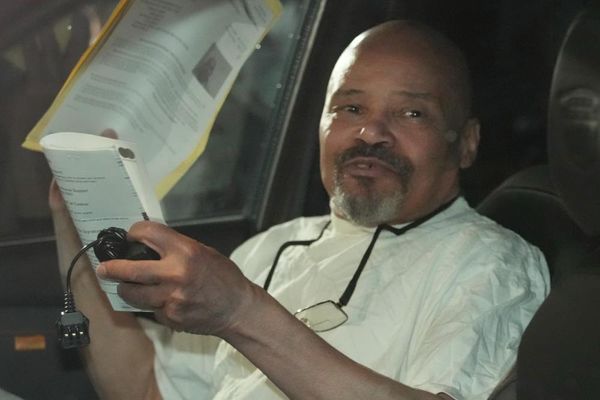
Maryland resident Terence Hardin is one example of how ruthless debt collectors can be about zombie mortgages.
Hardin bought a home in 2006 and soon after took out a $35,000 second mortgage, PBS reported. When the Great Recession hit, he worked with his lender to modify the terms of his mortgage so his monthly payment was more affordable. Hardin was under the impression that the loan modification consolidated his two home loans into one.
More than a decade later, Hardin learned in the harshest of ways that his second mortgage was not included in his loan modification. His neighbor called Hardin at work in September 2023 to tell him that people were in his house bagging up his belongings and putting them in the front yard.
A debt collector had bought Hardin’s second mortgage, waited for his home to build equity, then foreclosed on it without letting him know. Hardin was evicted and had to move into an apartment.
“All of the equity that I have built in my house was stolen right out from under us,” he told PBS. “And there's nothing I can do about that at this point.”
Fighting back
If a debt collector or debt buyer contacts you about a zombie mortgage, first confirm the information for yourself.
“Whenever you are contacted by a debt collector, don’t rush to agree to pay,” Tayne said in an email to The Independent. “Instead, ask for the debt in writing so you can validate it and ensure the amount is accurate.”
The debt agency is legally required to provide you with validation information, which includes:
- The amount of the debt you owe
- The name of the creditor who owns the debt
- An explanation of your rights as a borrower under the Fair Debt Collection Practices Act - laws meant to eliminate abusive collection tactics.
Debt validation is critical, Tayne said, because it can weed out scammers who know old home loan paperwork can be sparse and leverage that to scare unsuspecting consumers into handing over money for nonexistent zombie mortgages.
Take a moment to check your credit, too, Tayne recommended.
“I also recommend checking your credit report and any home loan documents to not only confirm the debt, but also to research whether the statute of limitations has passed,” she told The Independent in an email.
Lawyer up
Research your state’s laws to see if there’s a statute of limitations on the collection of second-mortgage debt, the Consumer Financial Protection Bureau recommends.
“Every state has a statute of limitations that typically ranges from 3 to 10 years, depending on the state,” Carty said. “Once the debt has expired, it is considered ‘time-barred,’ and collectors generally cannot sue.”
If the debt collector has a valid claim, homeowners should consider hiring an attorney to help them navigate the situation.
“[Don’t] be pressured into making payments or committing to anything before you hang up, do your research, and speak with an experienced debt help attorney who can help you understand your rights and walk you through your options, and communicate with collectors on your behalf,” Tayne said.
The course of action can be complex with at least 15 different legal avenues to pursue, according to the National Consumer Law Center, an advocate for the economic welfare of low-income and vulnerable populations.
“Resurrecting a long-dormant second mortgage and abruptly threatening to foreclose is a patently abusive practice,” the center wrote.“When presented with viable defenses and claims, courts should be willing to intervene to protect homeowners.”
In addition to working with a lawyer, consumers being targeted by debt collectors over zombie loans can submit a complaint to the Consumer Financial Protection Bureau, and can report fraudulent debt collectors to the Federal Trade Commission.
Several states have enacted legislation targeting zombie mortgage collection practices: California, Connecticut, Massachusetts, Ohio and Virginia.
The credit score guide for trying to get a mortgage
Three common things American retirees should avoid with mortgages
Americans want to save another $200K in order to retire comfortably
IRS may owe you a Covid tax refund — check to see if you’re eligible
Everything you need to know about auto loans and bad credit
Egg prices fall from last year’s record high but it’s not all good news