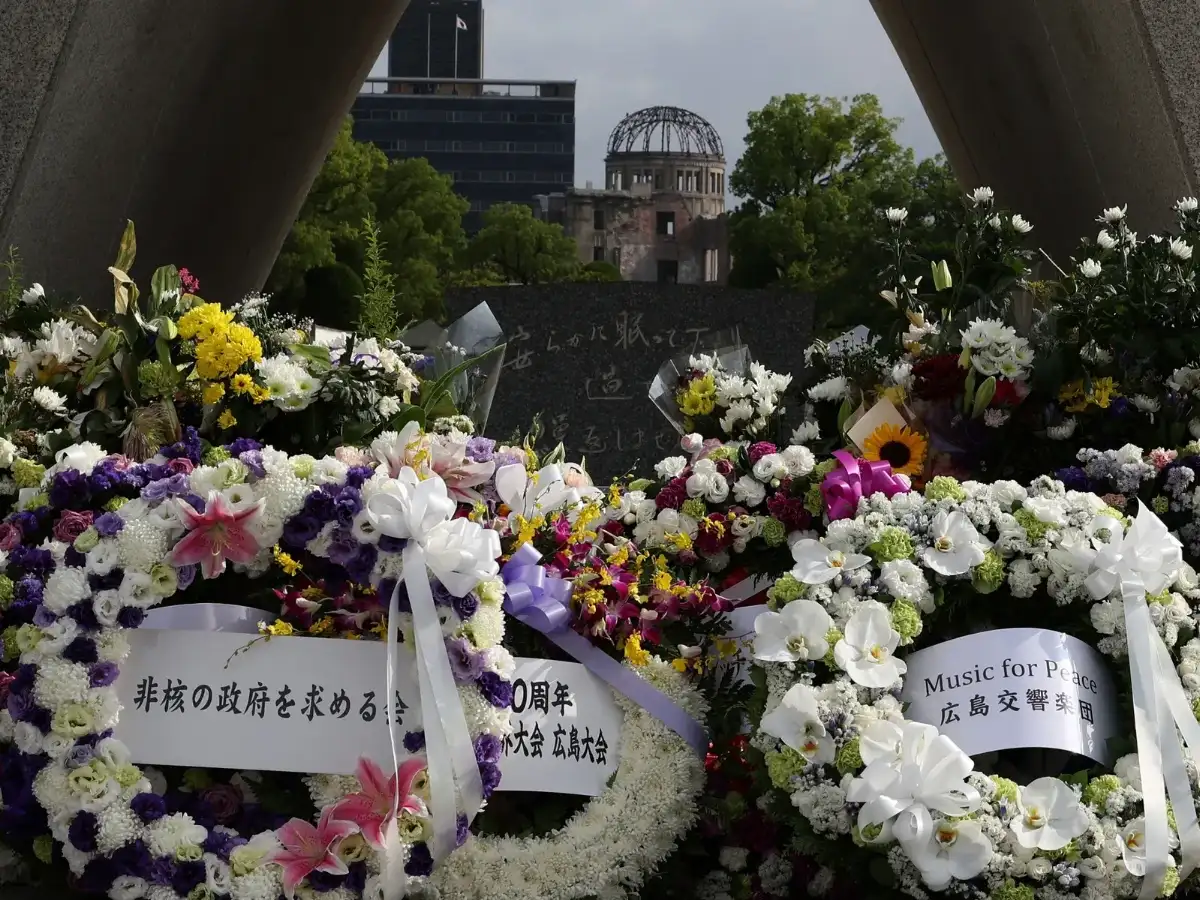
Eight decades after the United States dropped the world's first atomic bomb on Hiroshima, the event continues to stand as one of the most defining moments in modern history—bringing World War II closer to its end while ushering in an era dominated by nuclear weapons, geopolitical rivalry and fears of global annihilation.
On August 6, 1945, the US deployed the atomic bomb known as "Little Boy" over Hiroshima, instantly devastating the Japanese city. The explosion killed tens of thousands of people, left countless others with severe radiation-related illnesses and permanently altered the course of international politics.