Get all your news in one place.
100's of premium titles.
One app.
Start reading
The Conversation
The Conversation
Stephen Mattingly, Professor of Civil Engineering, University of Texas at Arlington

High-speed rail moves millions throughout the world every day – but in the US, high cost and low use make its future bumpy

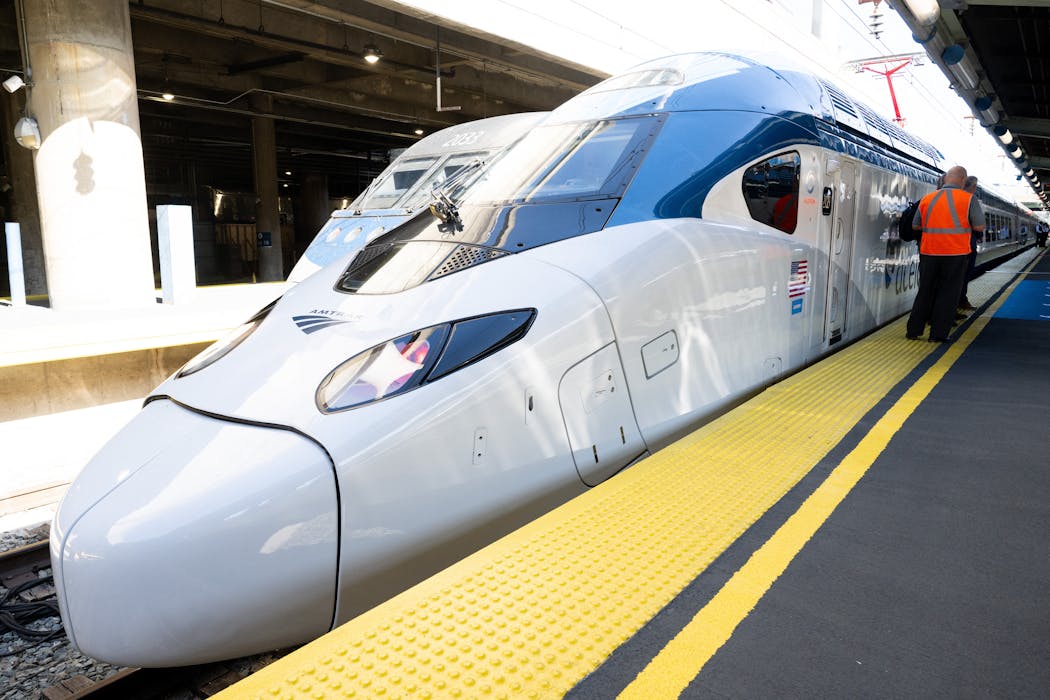
The Amtrak NextGen Acela is a new high-speed train that runs between Washington, D.C. and Boston. Saul Loeb/AFP via Getty Images

High-speed rail systems are found all over the globe. Japan’s bullet train began operating in 1964. China will have 31,000 miles (50,000 kilometers) of high-speed track by the end of 2025. The fastest train in Europe goes almost 200 mph (320 kph). Yet high-speed rail remains absent from most of the U.S.

Stephen Mattingly, a civil engineering professor at the University of Texas at Arlington, explains why high-speed rail projects in much of the country so often go off track.

Sign up to read this article
Read news from 100's of titles, curated specifically for you.
Already a member? Sign in here
Related Stories
Top stories on inkl right now
One subscription that gives you access to news from hundreds of sites
Already a member? Sign in here
Our Picks
Fourteen days free
Download the app
One app. One membership.
100+ trusted global sources.