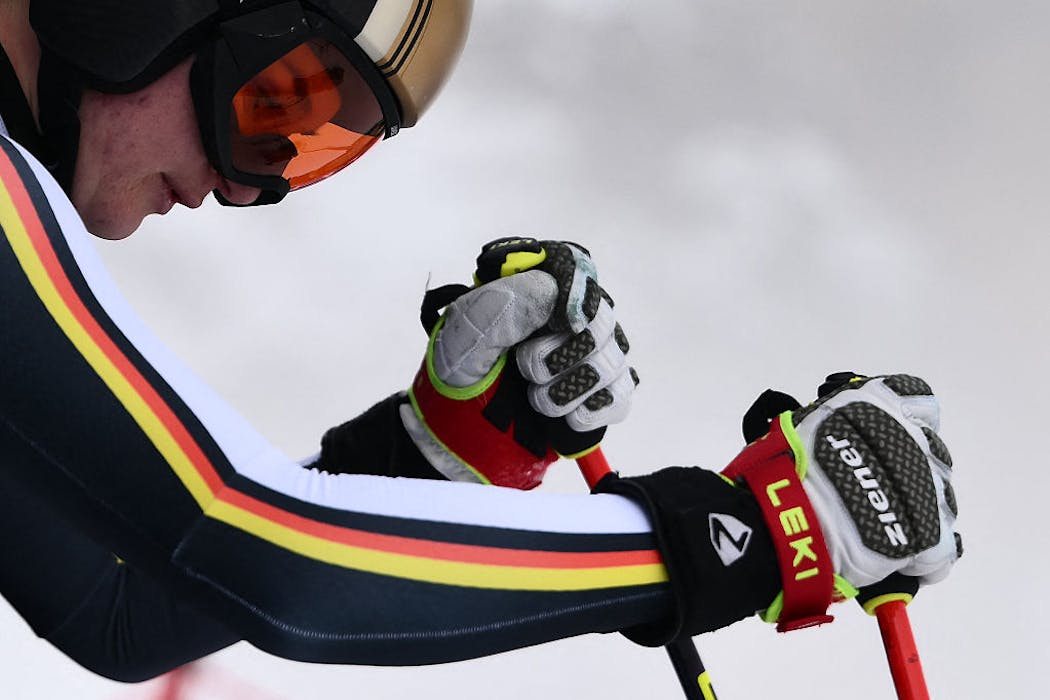
At the Winter Olympics, skiers, bobsledders, speedskaters and many other athletes all have to master one critical moment: when to start. That split second is paramount during competition because when everyone is strong and skilled, a moment of hesitation can separate gold from silver. A competitor who hesitates too much will be left behind – but moving too early will get them disqualified.
Though the circumstances are less intense, this paradox of hesitation applies to daily life. Waiting for the right moment to cross the street, or pausing before deciding whether to answer a call from a number you don’t recognize, are daily examples of hesitation. Importantly, some psychiatric conditions such as obsessive-compulsive disorder are characterized by impulsivity, or a lack of hesitation, while excessive hesitation is a crippling consequence of several anxiety disorders.