The Framers established a federal government consisting of three branches that were supposed to exercise distinct functions: legislative, executive, and judicial. But beginning in the late 19th century, Congress created dozens of "independent" agencies that exercise all three functions.
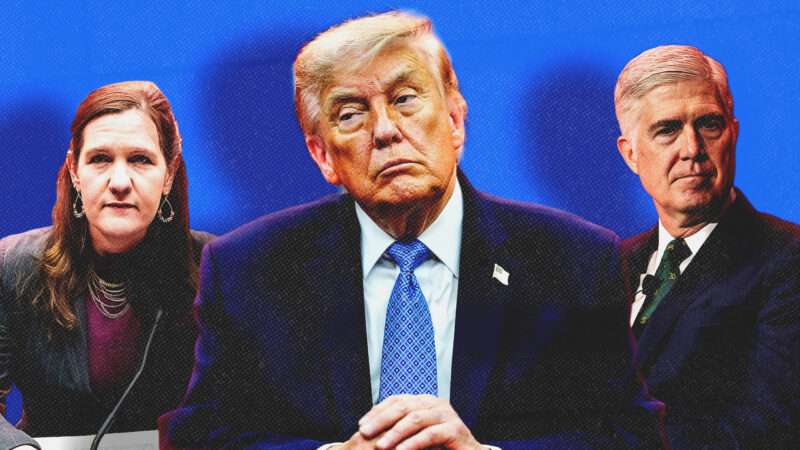
On Monday in Trump v. Slaughter, the Supreme Court addressed one puzzle posed by that situation: the purported independence of those agencies. But as Reason's Damon Root notes, that decision did not address the line-crossing authority of ostensibly executive agencies that also effectively make law and adjudicate cases. Instead, the Court concentrated those powers in the hands of the president—a development that should worry anyone concerned about executive overreach.