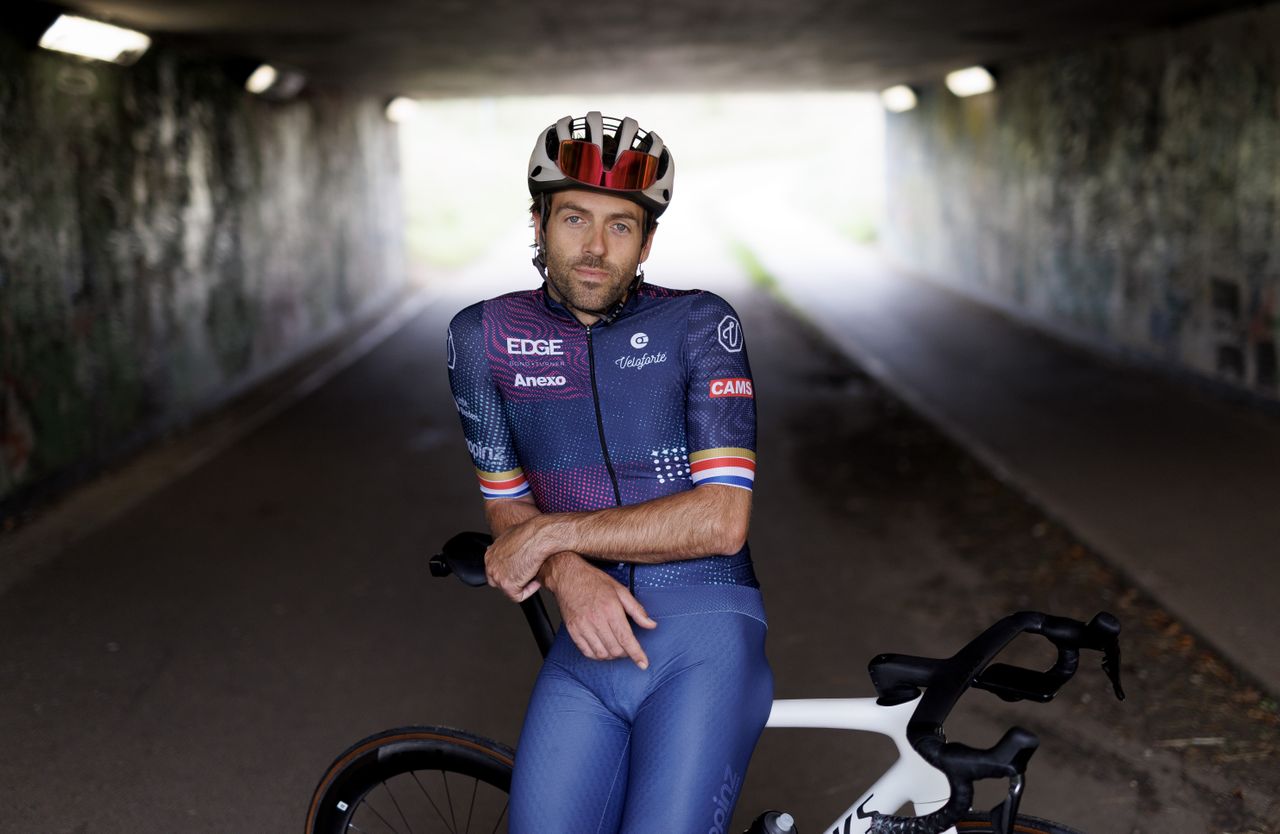
It's Alex Dowsett here, back with another column for Cyclingnews. In my first entry, I told you about winter training camps and the logic behind doing them (or not), but today I wanted to rewind a little bit.
Before I dive into discussing the other topics I’m hoping to write about this season, I thought I’d bring you into the frame on what happens when an athlete retires and why I now understand the phrase 'an athlete dies twice.'
I’m a couple of years out of being a pro, and I’ve realised how quickly you are forgotten as the years pass – working with a junior squad for two years made it even more apparent!
So I'll quickly bring you up to speed on some background credentials. I raced for four different WorldTour teams throughout my 12 years at the highest level of the sport, my career highlights were 15 professional wins including two Giro d'Italia stage wins, two UCI Hour Record attempts, one successful and one less so but a prouder achievement for me personally, and being the first and – currently – only elite sports person in the world with Severe Haemophilia A, a rare blood clotting disease. I raced nearly everything and was known as a TT specialist, but I could also do a mean lead-out. I didn’t have the most power in the world, but I seemed to be able to maximise what I did have.
Now you know a bit more about me, onto my retirement. Former Australian track and road cyclist Annette Edmondson gave me a piece of advice about stopping racing as she retired the year before I did. That advice was to "simply say yes to everything".
She said opportunities would come my way, and I should spend a year or two working out what I liked and what I didn't like, so that’s exactly what I’ve done and to an extent, what I am still doing.
I knew from my racing days that I enjoyed helping others get better and faster at cycling. My dad used to get frustrated when I'd help my teammates, and they'd subsequently beat me in time trials. Seeing their eyes light up when I'd do a TT bike fit and unlock an extra 20 to 40 watts of sustained power whilst making them more comfortable – that really gave me a kick. So if I think about it, that, in a nutshell and in different guises, is what I do now. I help bike riders and racers get better at it, and I absolutely love it.

"An athlete dies twice" is a adage I heard from British triathlete Alistair Brownlee this year, and while I'd heard it before, I never fully understood it until now.
I've gone through almost a full lifecycle (minus the death part thankfully); apprenticeship, employment, mastering my craft, having to be smart with eking another couple of years out of it and then stepping away. It did feel like the closing of a chapter, and I was very lucky in that I got to close my chapter on my terms at the time I felt it was ready to be closed.
My cup has been very full since then. I have a phenomenal family made up of a wonderful wife and two beautiful daughters (who also enjoy being on the bike!), and jobs that give me a sense of fulfilment and purpose. I stay fit, and I'm super optimistic for the future as well. There are challenges, of course, but you’ll find no sob stories here today. I’m very lucky in that regard.
What I’ll close this column out with is what you’ll expect to hear more of me about in this column. That is a bit of life in the WorldTour, but on the other side of the fence, my day-to-day full-time job is with the XDS-Astana team.
The back story to how this came about was after helping my good friend Mark Cavendish in the wind tunnel, six weeks out from his monumental 35th Tour de France stage win. I’m not going to sit here and tell you I was solely responsible for it, but I was responsible for a small 3-5% in aerodynamic gain. XDS-Astana enlisted me for the following season, where arguably we had a bigger challenge, and that was to catapult the team out of a dire relegation position.
I’ll be letting you know a bit about this, plus what it takes to run a WorldTour team – which for me has been the biggest surprise – and what I do to help eke out those extra few percentage markers in the riders.
It’s a big year ahead with multiple, important team time trials on the cards, so I’m nervous to say the least. As always, my inbox is open, so if you want to hear about something in particular in these columns, just say the word.