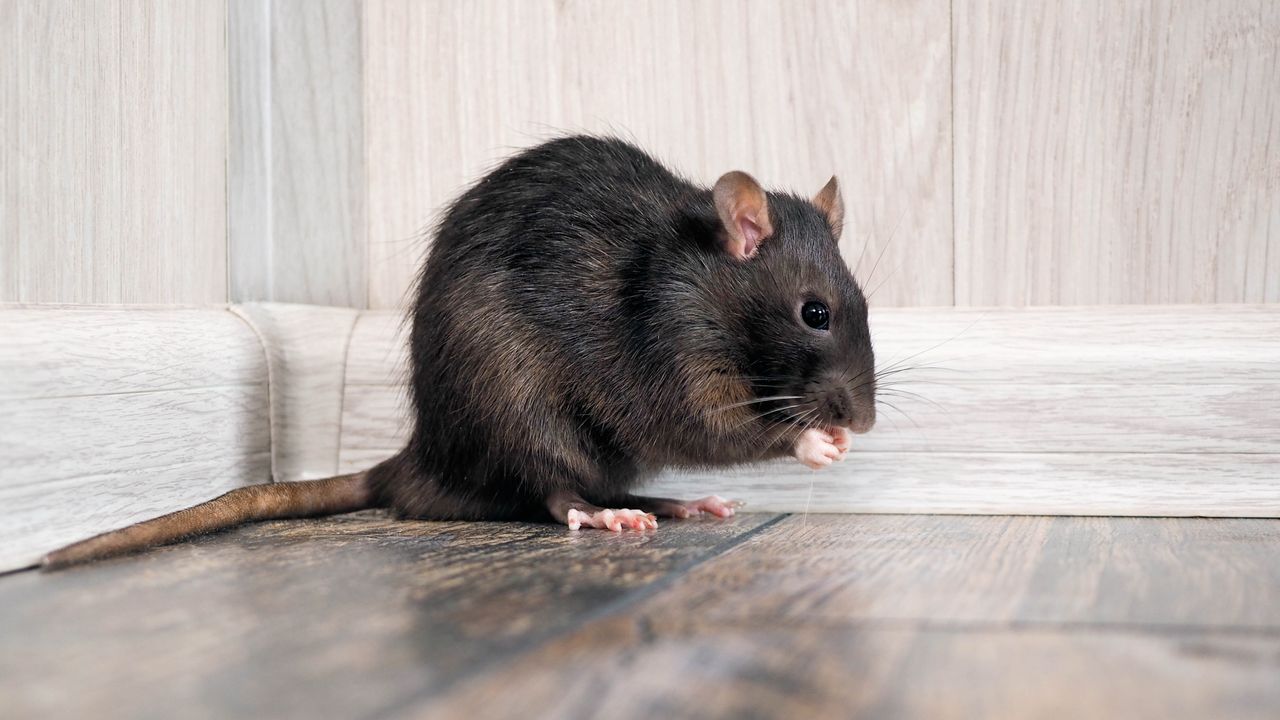
Rats are opportunistic survivors that adapt quickly to changing conditions. When weather makes their usual outdoor habitats inhospitable, they immediately search for alternatives. Your home represents ideal shelter: warm, dry, protected, and often stocked with accessible food.
During prolonged wet and cold periods, rat activity near residential properties increases dramatically. Once rats establish themselves inside walls, attics, or basements, removal becomes difficult, expensive, and sometimes requires professional intervention.The key to avoiding rat problems is prevention before they attempt entry.
Here's how to make your home unappealing and inaccessible as possible to rats seeking shelter during bad weather.
Why wet weather increases rat problems
Heavy rain floods underground burrows where rats normally live. When their shelters fill with water, rats are forced above ground to find dry alternatives.
Cold temperatures compound the problem. Rats seek warmth as temperatures drop, making heated homes even more attractive. The combination of wet conditions destroying outdoor habitats and cold weather making survival outdoors difficult creates perfect conditions for rats to invade residential properties.
Outdoor food sources also become scarce after heavy rain. Gardens flood, insects disappear, and the natural food rats rely on becomes harder to find. This drives rats closer to homes where garbage, pet food, and other easy food sources are available.
Catching rat activity early makes removal far easier than waiting until they've established nests inside your walls. Check for the warning signs below regularly, especially after heavy rain when rats are most likely to seek indoor shelter.
Signs you shouldn't ignore
1. Droppings
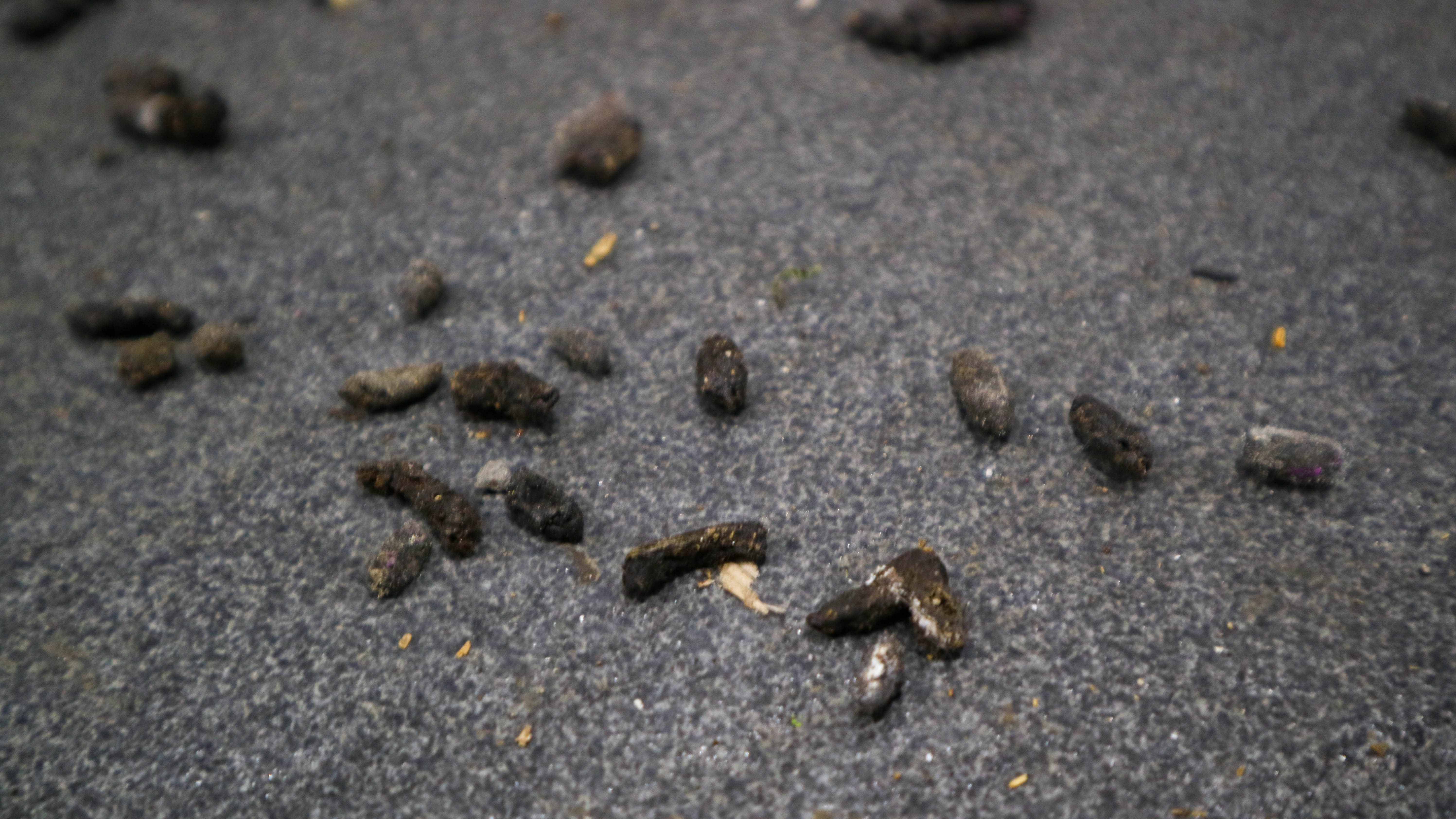
Droppings are the most obvious indicator of rat presence. Look for dark, pellet-shaped droppings near walls, in corners, under sinks, behind appliances, and in storage areas.
Fresh droppings are dark and moist, while old ones are dry and gray. Finding even a few droppings means rats are present and active in your home.
2. Sounds and gnaw marks
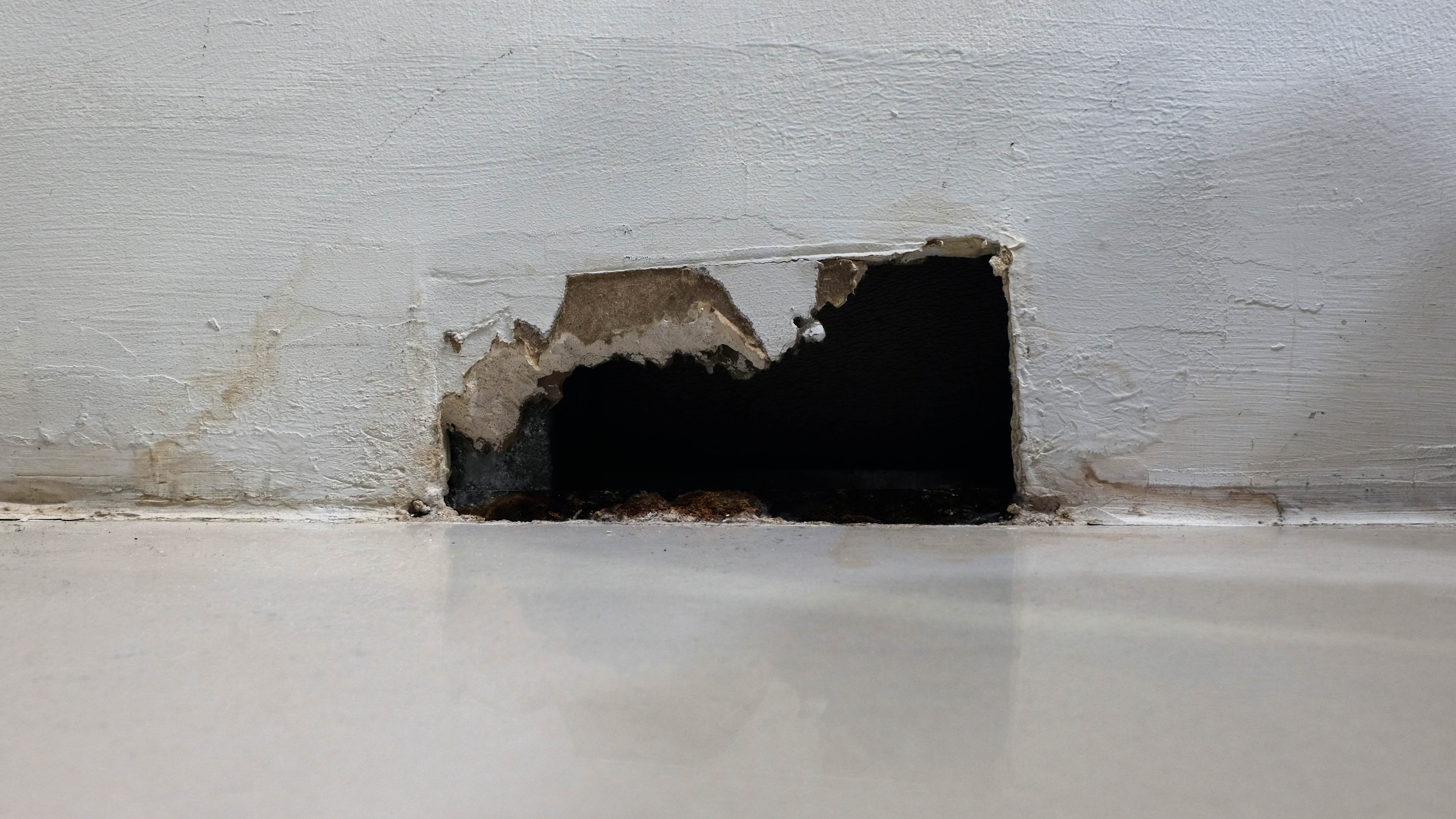
Listen for scratching, scurrying, or squeaking sounds in walls, ceilings, or attics, particularly at night when rats are most active. Check for gnaw marks on food packaging, cardboard boxes, baseboards, wires, and pipes.
Fresh gnaw marks appear lighter than surrounding material and have rough edges. Rats gnaw constantly to keep their teeth filed down, so active infestations show numerous fresh marks.
3. Rub marks and unusual pet behavior
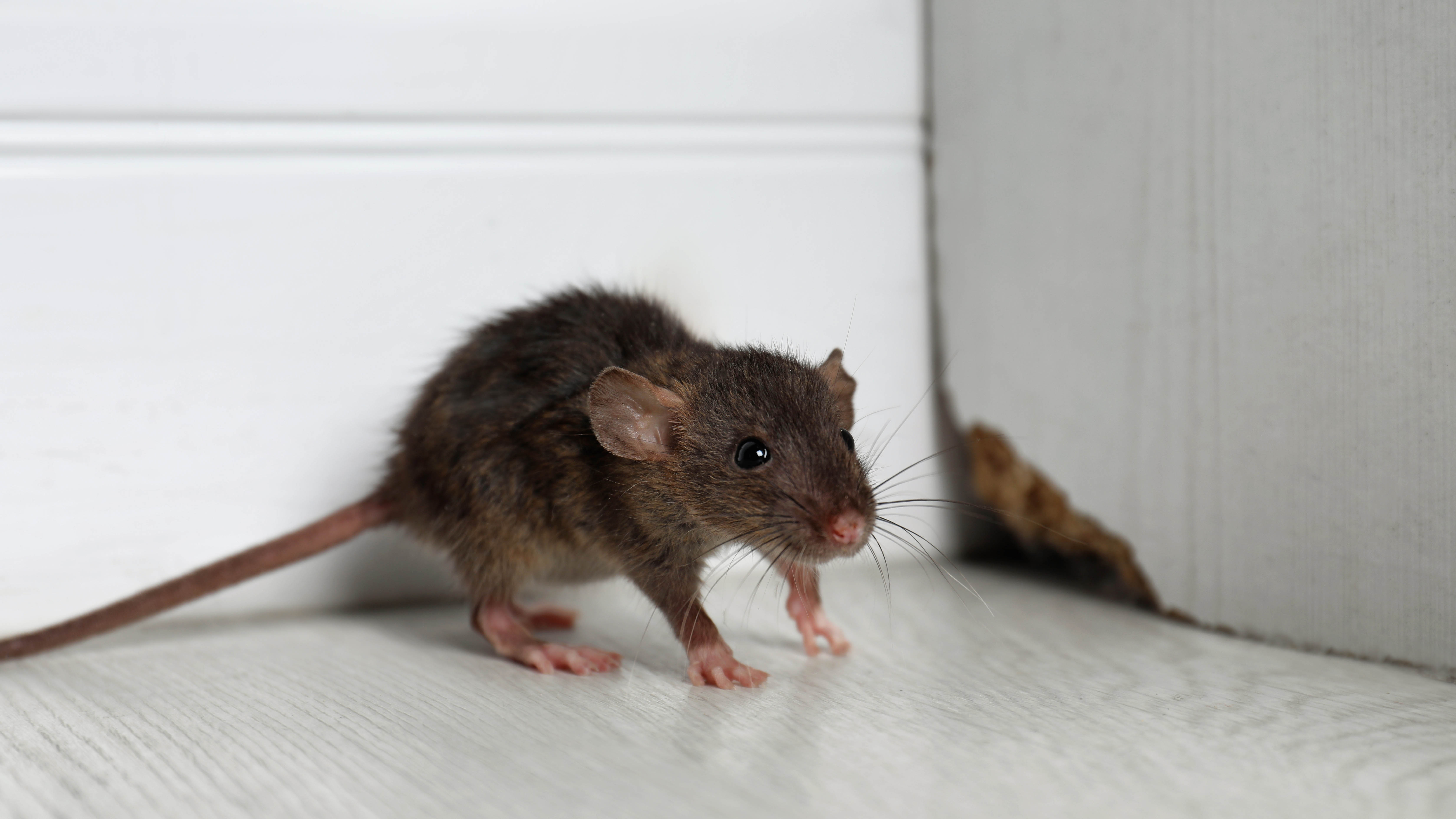
Look for greasy rub marks along walls and baseboards where rats travel repeatedly. Their oily fur leaves dark smears on surfaces they brush against frequently.
Also, pay attention to any unusual pet behavior — dogs or cats fixating on specific walls or scratching at certain areas can signal rats are present behind surfaces you can't see.
How to prevent rats from getting inside
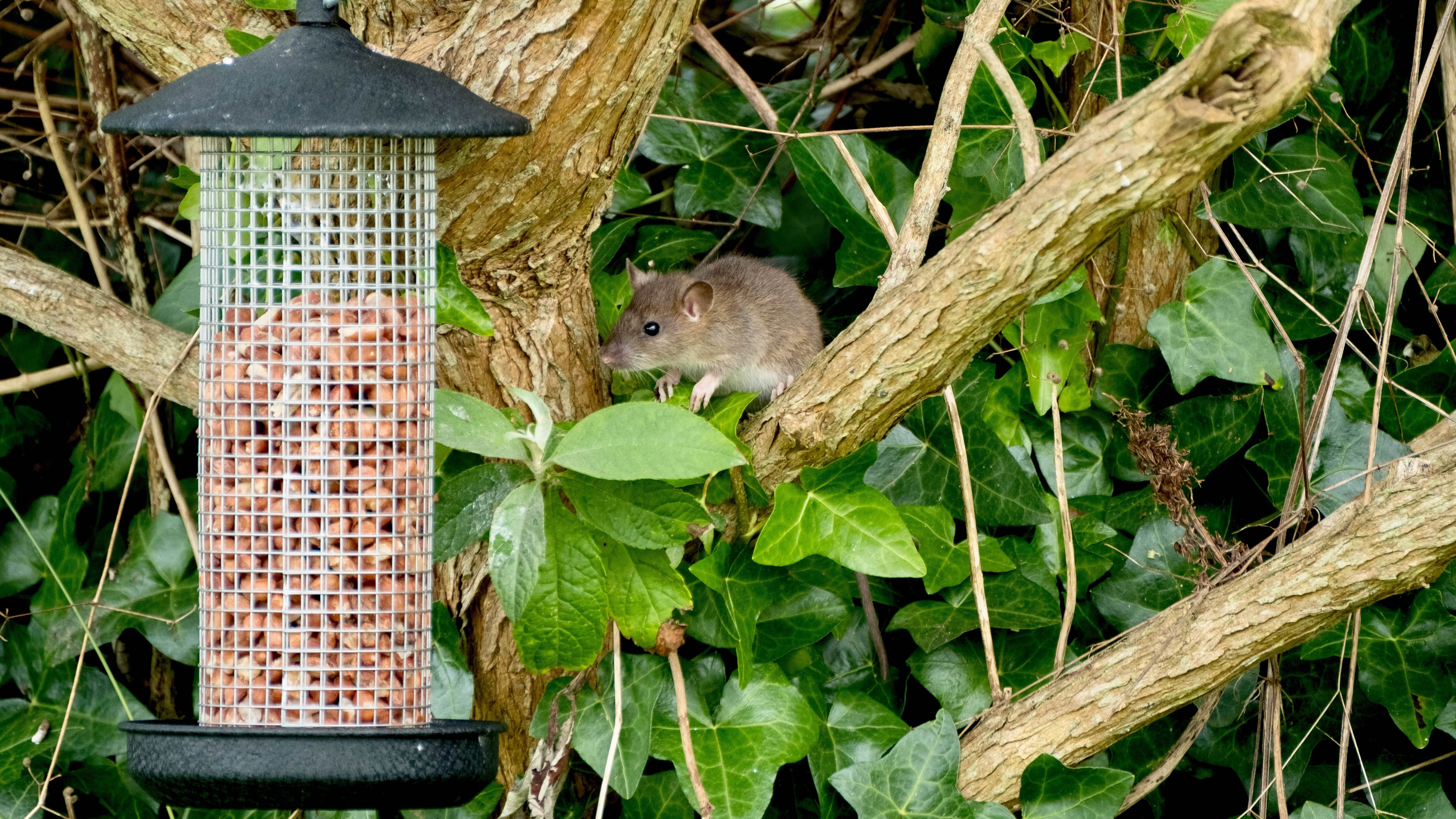
Prevention focuses on three things: blocking entry, eliminating food sources, and removing shelter opportunities.
Walk around your home's exterior and seal any cracks, holes, or gaps where pipes, cables, or vents enter. Rats squeeze through openings as small as half an inch. Use steel wool followed by caulk for small gaps, or metal mesh for larger holes. Check foundations, around windows and doors, garage doors, and crawl space vents. Replace worn weather stripping immediately.
Eliminate outdoor food sources by securing garbage in bins with tight-fitting lids and removing pet food bowls after feeding. Clean up fallen fruit from trees, manage bird feeders carefully, and use enclosed compost bins rather than open piles. Also, remove shelter by clearing leaf piles, storing firewood at least 20 feet from your home, and trimming vegetation so it doesn't touch your exterior walls.
Fix leaky outdoor faucets, improve drainage around your foundation, and clean gutters regularly. Rats need three things: food, water, and shelter — eliminate access to these and they'll move to easier targets.

Follow Tom's Guide on Google News to get our up-to-date news, how-tos, and reviews in your feeds. Make sure to click the Follow button.