
Get all your news in one place.
100’s of premium titles.
One app.
Start reading
Kiplinger
Kiplinger
Business
Ben Demers

Heat Pumps vs Solar Panels: Which Saves You More on Energy Bills?

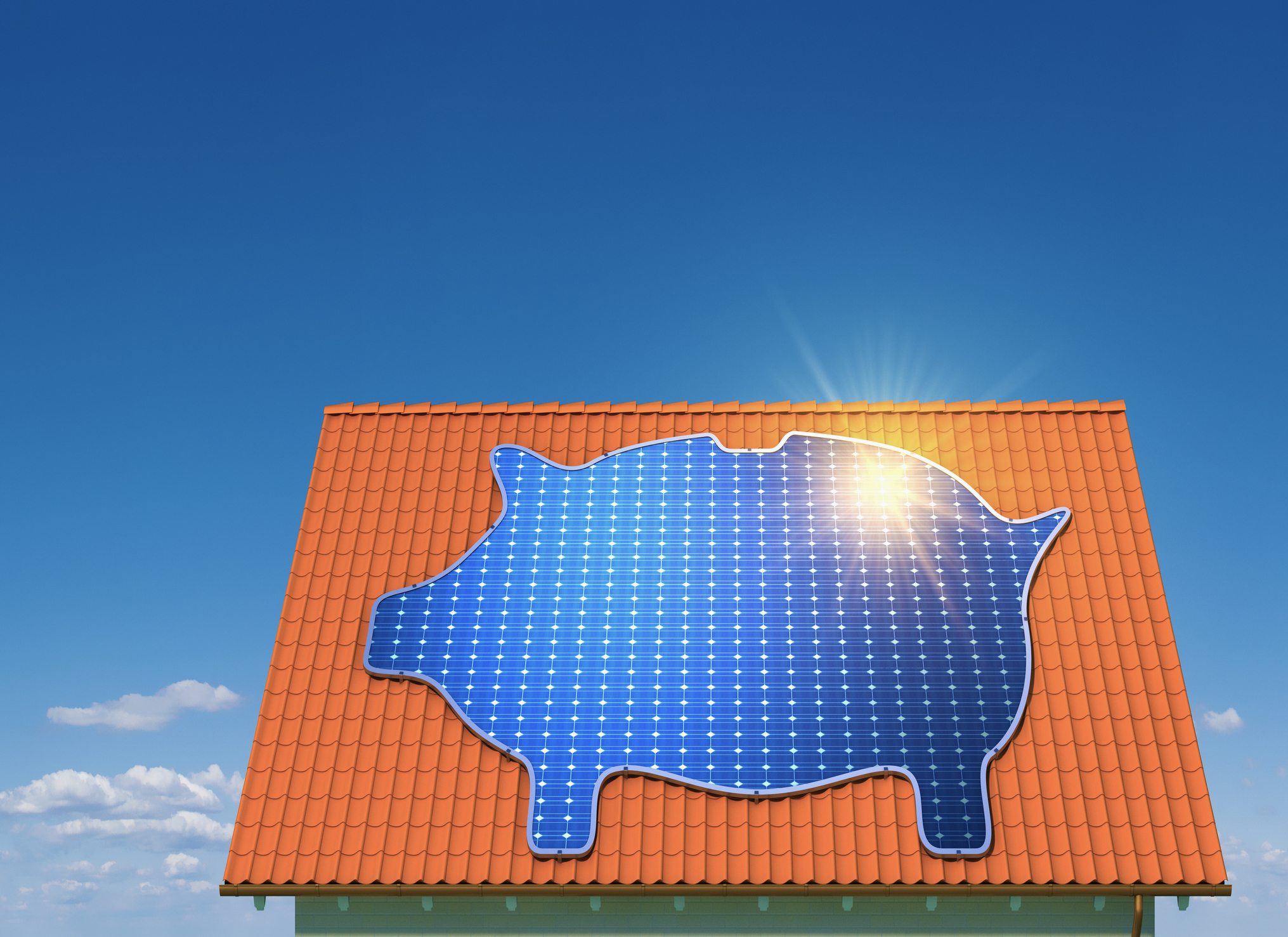
(Image credit: Getty Images)

Which is best for energy savings? We put heat pumps vs solar panels to the test. Both can improve your home's energy expenses, reduce your carbon footprint and crucially, save you money on your energy bills.

Heat pumps can be used to both cool and heat your home. They use electricity to extract heat from inside your home and pump it outside in the warmer months. In the colder months, they extract heat from the air and pump it into your home to keep you warm. They produce so much energy that they can dramatically reduce your dependence on your energy supplier and save you money on your energy bills, despite surging electricity costs.

Meanwhile, solar panels generate electricity that can help power your home's electrical systems.

Pros of heat pumps:

Heat pumps have gained attention as homeowners look for ways to cut energy costs and improve efficiency. Here are some of the biggest advantages they offer.

  • Heat pumps emit no carbon dioxide, nitrogen dioxide or particulates. They can help to improve the air quality both inside and outside the home.
  • Heat pumps are much more efficient than gas boilers and produce three or four times the energy they use. According to the National Renewable Energy Lab (NREL), 62% to 95% of households (depending upon heat pump efficiency) would see a drop in their energy bills by using a heat pump, and depending on the size of your home, your local climate and which unit you choose, you can save $300 to $1,500 annually, according to the DOE.
  • Heat pumps are reliable, require little maintenance and may last 20 years or more before needing replacement.

Wisconsin became the first state to launch the federal Home Efficiency Rebate (HOMES) program, part of the Inflation Reduction Act. The program helps households save on energy-efficient upgrades such as insulation, air sealing and high-efficiency heating and cooling systems, including heat pumps that reduce whole-home energy use.

Depending on income and the amount of energy savings achieved, some households may qualify for rebates that cover a significant share of project costs. In some cases, up to 100% for lower-income households. Other states are gradually rolling out similar rebate programs as federal funding becomes available.

Cons of heat pumps

Heat pumps also have several downsides:

  • An air source heat pump costs between $6,000 - $25,000, with installation costing anywhere from $1,000 - $4,000; meaning it could be some time before the energy savings offset the initial investment.
  • Heat pumps use electricity and can therefore be pricey to run. Remember, electricity is three to four times more expensive than gas per unit, so energy bills could potentially increase after getting rid of a boiler. However, according to MIT Technology Review, "heat pumps can reach 300% to 400% efficiency or even higher, meaning they’re putting out three to four times as much energy in the form of heat as they're using in electricity," reducing overall energy usage in your home.
  • Heat pumps do not warm a home as quickly as a gas boiler. Naturally cold homes will especially heat up much more slowly. And according to MIT Technology Review, if the difference in temperature between inside and outside increases, a heat pump will have to work harder to gather heat, so efficiencies drop.
  • Heat pumps can be awkward to install in homes with combination boilers, which will need to find space for a hot water cylinder.
  • Heat pumps can be noisy due to their fans, although manufacturers are working to make them quieter.
  • Some homes do not have a suitable outside space for a pump.

Pros of solar panels

Since 2010, the cost of solar panels has fallen by more than 60%, according to the Solar Energy Industries Association. There are lots of positives to installing solar panels.

  • Solar panels could reduce your annual energy bill by $1500 per year, according to SolarReviews.
  • Solar panels now pay for themselves within five to fifteen years. The average EnergySage solar shopper breaks even in about eight to nine years.
  • Solar power allows you to generate most of your electricity for lights and appliances.
  • Solar power can also power an electric car. You’ll need an average of 7-12 solar panels to charge your vehicle, according to EnergySage.
  • You can sell electricity back to the grid or an energy supplier. Over 40 states allow for some kind of "net metering," according to SmartAsset, meaning "households that generate electricity through residential solar projects can receive checks from the power companies for excess energy sent to the grid."
  • Solar power systems are easy to fit, even in old homes.
  • You also gain energy independence. As we enter warmer weather with severe storms causing power outages, you won't have to rely on a grid or a noisy generator to keep the lights on.

Cons of solar panels

  • The cost for a solar panel system on an average-size house in the U.S. ranges from $12,600 to $33,376, costing on average $19,873, reports Consumer Affairs.
  • The cost of a battery — which you'll need to use your solar energy at night or when the sun doesn't shine — will cost somewhere between $12,000 and $20,000, according to Solar Reviews.
  • Solar power won't quite cut it when it comes to heating. You can easily generate most of your electricity for lights and appliances, but add heating, and it gets tricky. Put simply, thermal panels are limited when the sun isn't constantly shining, so you need an extra source of hot water to help.

The verdict on solar panels vs heat pumps

Despite both heat pumps and solar panels having hefty installation costs, solar panels will likely save you more money overall. Of course, you can save even more money and carbon by combining solar panels with an electric car, battery or heat pump.

Ultimately, before choosing between a heat pump and solar panels, consider:

  • If it's thermal energy or electricity you want to generate
  • How much energy you want to generate
  • What uses you want to put it to
  • How long do you want your renewable energy system to last
  • How much you can afford to pay upfront and essentially invest in your home

Related Content

Sign up to read this article
Read news from 100’s of titles, curated specifically for you.
Already a member? Sign in here
Related Stories
Top stories on inkl right now
One subscription that gives you access to news from hundreds of sites
Already a member? Sign in here
Our Picks
Fourteen days free
Download the app
One app. One membership.
100+ trusted global sources.