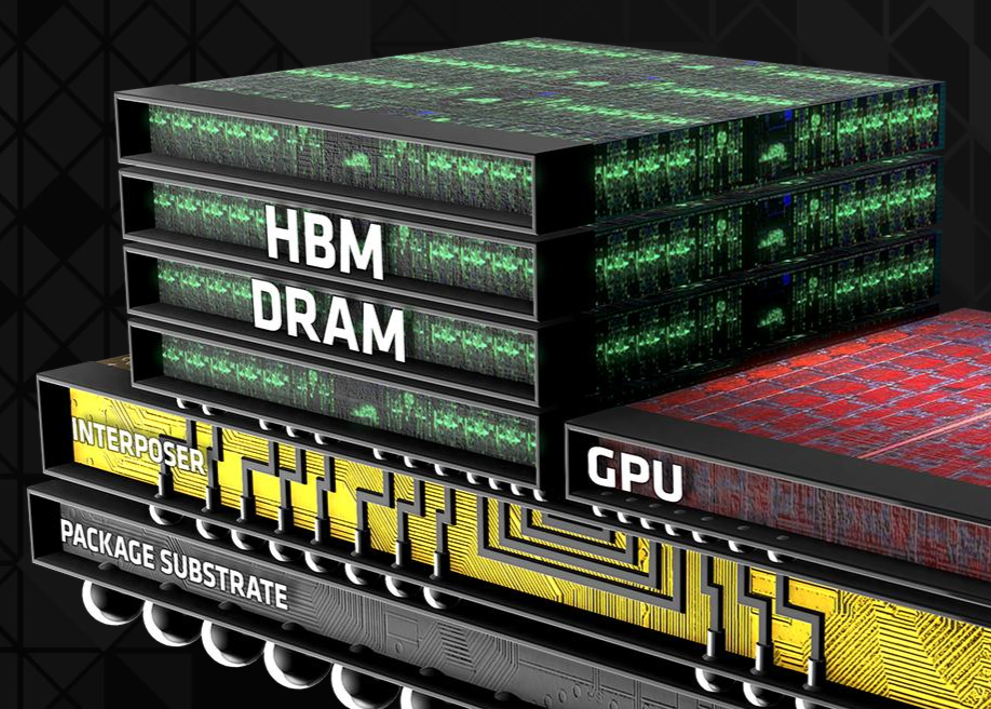
KAIST, a leading Korean national research institute, has released a 371-page paper that details the evolution of high-bandwidth memory (HBM) technologies through 2038, showing increases in bandwidth, capacity, I/O width, and thermals. The roadmap spans from HBM4 to HBM8, with developments in packaging, 3D stacking, memory-centric architectures with embedded NAND storage, and even machine learning-based methods to keep power consumption in check.
Keep in mind that the document is about the hypothetical evolution of HBM tech given the current direction of the industry and research, not an actual roadmap of a commercial company.