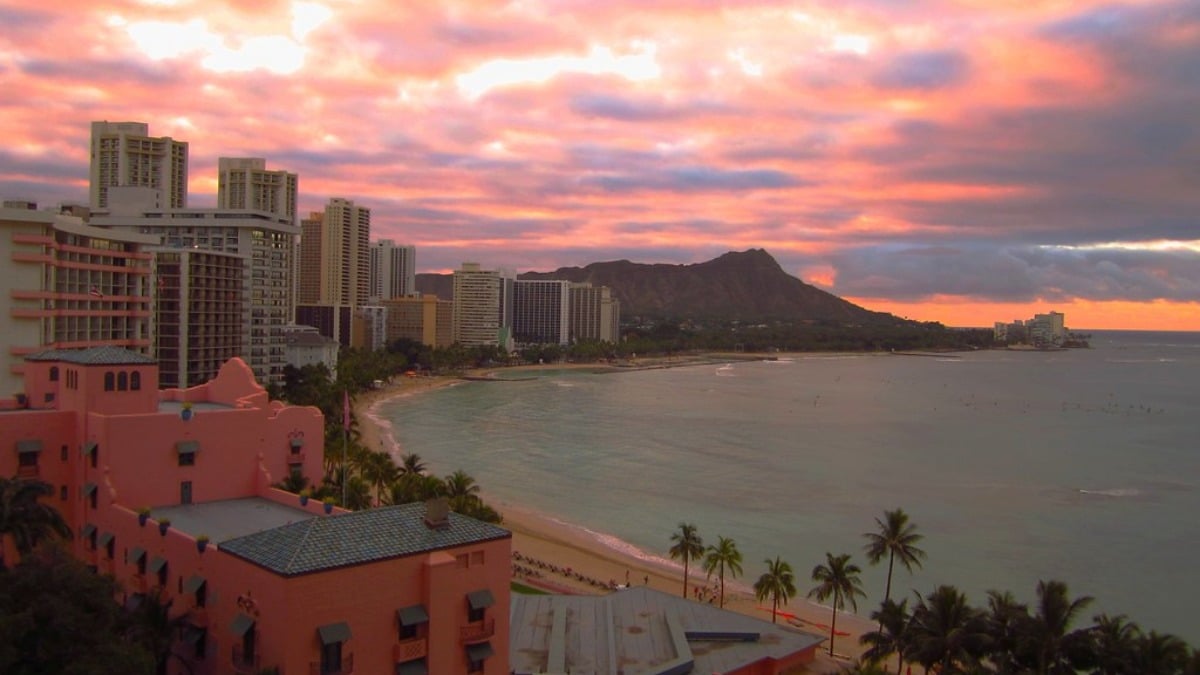
A Hawaii restaurant is at the center of an online debate after a customer shared a receipt showing a 3% “kitchen appreciation fee.” The incident gained attention on TikTok and sparked a wider conversation about service charges and tipping culture in the US.
According to Brobible, the receipt came from Cafe O’Lei at the Plantation. TikTok user Kiara, known as @kiki.alchemy, noticed the extra charge and recorded a video of the bill, zooming in on the line item and asking her followers, “What TF is a kitchen appreciation fee?” She noted in her video description that it was the first time she had ever seen such a charge. The clip has since racked up 317,000 views.

The comment section quickly became a place for people to share their frustration. Many said that seeing the fee made them less likely to tip at all. Others suggested that restaurants should simply build their costs into menu prices rather than adding extra charges to the bill. One of the users wrote: “These fees make customers feel like they are being sent through the wringer. Just charge more for the food and keep it simple !”
Hidden fees and automatic tips are making diners increasingly fed up
This is not an isolated case. Another viral TikTok video from Alexis Rose, known as @apatch, showed a self-checkout machine at an airport adding an 18% tip to the purchase of a single orange. The item cost $1.69, but the total came to $2.04 because of the automatic addition.
While customers can change the tip to 0%, many felt the prompt in a self-service setting was designed to catch people off guard. Hawaii has been no stranger to viral social media moments lately, as even a father sparking outrage after throwing his child off a cliff made waves online.
Tipping fatigue is a real and growing issue. According to Reader’s Digest, Jan Goss, an etiquette and tipping expert with over 30 years of experience, acknowledges this. The standard baseline for good service at a restaurant has moved to 20% to 25%, and knowing when and how much to tip is becoming more complicated.
Etiquette professionals suggest asking staff about policies if you are unsure, and always checking your bill for pre-included charges before paying. There is some general guidance that can help.
For takeout orders, tipping 10% to 15% is considered a way to support cooks and support staff. However, you do not need to feel pressured to tip at fast-food spots or casual eateries where table service is not provided. In those cases, a dollar or two is a kind gesture, but it is not mandatory.
The bigger issue is transparency. When customers see fees labeled as “kitchen appreciation” or automatic tips added at self-checkout kiosks, it feels like the financial burden is being shifted from the business owner to the customer.
Tipping is meant to show gratitude for service, but when it is mandated through a receipt, it loses its meaning for many people. Tensions between locals and visitors in Hawaii have also been playing out online in other ways, such as a local woman schooling a rude tourist on patience and respect.
As this debate continues to play out on platforms like TikTok, it is clear that diners are paying much closer attention to how their money is being handled. Consumers are growing tired of hidden costs, and they are speaking up about it.