
Anti-Jewish and anti-Muslim hate have entered a "new phase" of vitriol across Australia, rising sharply in frequency and increasingly moving offline.
The findings come as part of the largest analysis to date of online hate towards the religious groups, published on Tuesday by the Tackling Hate Lab, a research group bringing together experts in social science, data and psychology.
More than two million Australian social media posts, together with hundreds of verified offline incidents of vandalism, harassment and physical violence between 2021 and 2026 were examined.
"From October 7, 2023, we have seen a surge in anti-Muslim and anti-Jewish hate," Deakin University research lead Matteo Vergani told AAP.
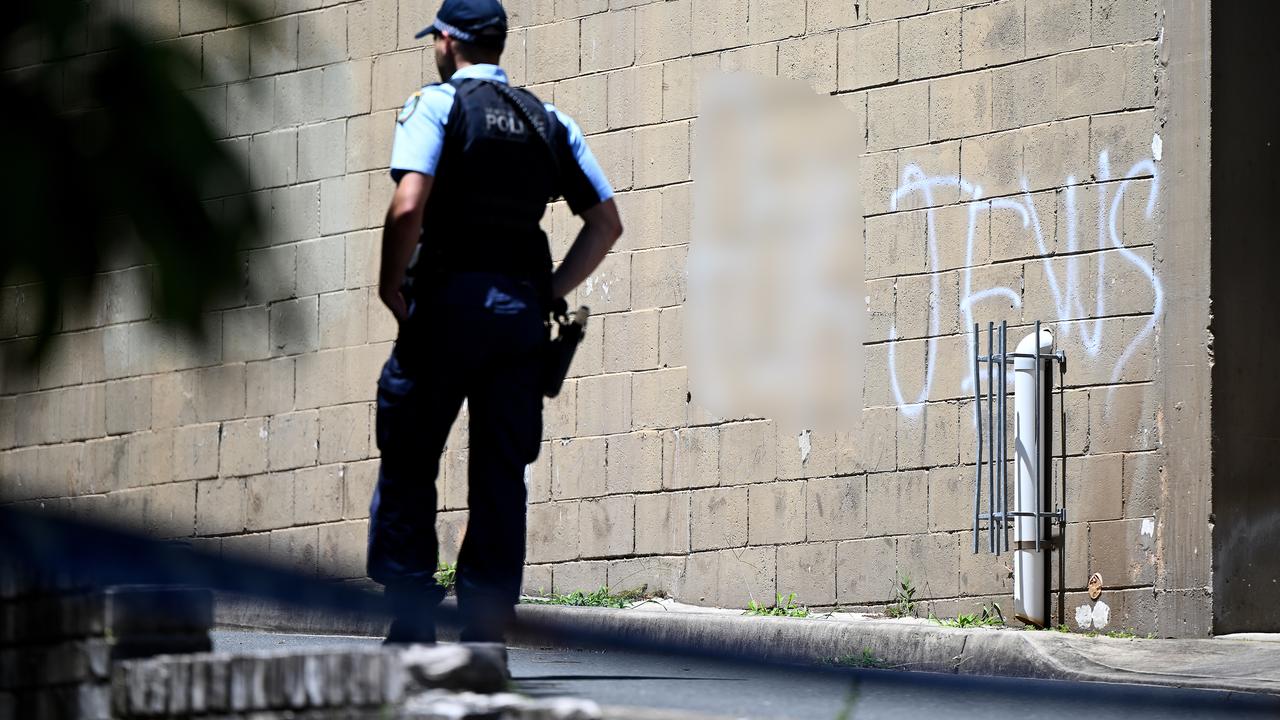
The October 7 attack by Hamas on Israel and the subsequent war in Gaza marked a "structural shift" in Australian discourse where hate did not simply spike after major events but remained at substantially higher levels.
Hatred towards Jewish and Muslim people had became more persistent and increasingly connected to offline incidents.
"Both appear to have entered a new phase," Associate Professor Vergani said.
"They became more closely connected to events in everyday life ... and they became capable of escalating very quickly after major incidents."
Simply looking at individual posts in the face of a huge volume of hateful content circulating online would not address the issue.
"It's like trying to empty the sea with a teaspoon," Assoc Prof Vergani said.
"Our studies show that a small cluster of individuals drive the vast majority of hateful content that circulates online.
"So being able to examine the data and understand which accounts are most influential allows us to devise more effective interventions."

Identity attacks targeting Jews increased from an average of 0.3 posts per day the year before October 7, 2023, to an average of 16.8 posts per day the year after and remaining at a higher baseline until March 2026.
Attacks targeting Muslims followed a similar pattern, increasing from an average of 2.8 posts per day before October 7 to 42 posts per day in the year afterwards.
The largest surge in anti-Muslim hate came after the Bondi terrorist attack, when identity attacks reached an average of 1323 posts per day in the week following the attacks, before stabilising at about 224 posts per day in the subsequent month.
The research group is calling for a permanent Observatory of Hate to monitor both online and offline hate targeting all communities.
"A long term, independent monitoring capability would provide early warning of emerging risks, evaluate whether interventions are working, and strengthen accountability for governments and technology platforms," researchers said.
Lifeline 13 11 14
beyondblue 1300 22 4636