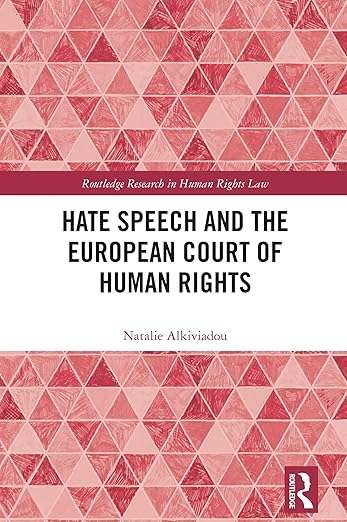
 In this post I look at my book's key findings on the effects of hate speech and the controversies surrounding its regulation. This analysis lays out the groundwork for understanding both the harms attributed to hate speech and the dangers of over-regulating it in democratic societies. The central question is twofold: Does hate speech cause real-life harm? And if so, should that harm be addressed through legal restrictions on speech? The ECtHR systematically answers "yes," often without the depth of inquiry such a consequential response demands.
Hate speech and harm
One of the key contributions the book's chapter on hate speech, its effects and the questions of regulation is to unpack the multi-level impact of hate speech on individuals (micro), groups (meso), and society (macro). Drawing on work by scholars such as Mari Matsuda, Jeremy Waldron, Alexander Tsesis, and others, I trace how hate speech is said to erode dignity, reinforce systemic inequalities, and, in some contexts, incite violence.