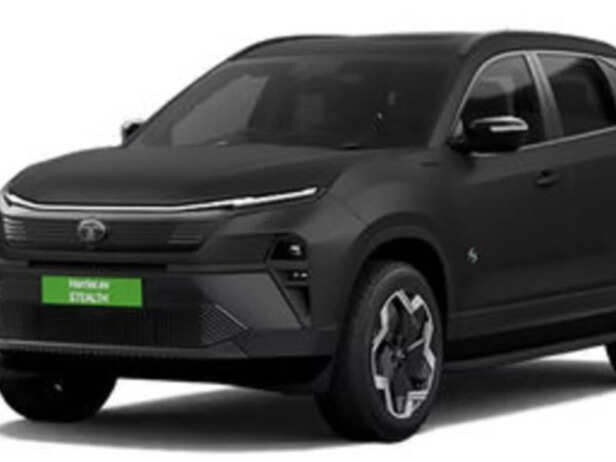
Buying a new electric SUV at nearly Rs 28 lakh comes with an expectation of reliability. But what happens when the vehicle repeatedly breaks down within months of purchase? A recent consumer case involving a Tata Harrier EV has drawn attention after an order directed a refund ofRs 27.98 lakh, along with an additionalRs 65,000 payout. The case raises an important question for new-car buyers: when repeated defects make a vehicle difficult to use, what options does a consumer actually have?

The Harrier EV Faced Repeated Failures
Defective electric SUV kept breaking down: Hyd consumer court orders Rs 24 lakh refund https://t.co/7lUUOWrDPC
— Financial Express (@FinancialXpress) September 13, 2026
The case centres on a Tata Harrier EV that reportedly suffered repeated breakdowns within months of purchase. For any new-car owner, an occasional issue is frustrating, but recurring failures can become a much bigger problem. The concern becomes even more serious when the vehicle is positioned as a premium electric SUV. Instead of simply dealing with one repair, the owner was reportedly faced with repeated trouble. This created the central dispute: whether continuing repairs were a reasonable solution or whether the consumer had reached a point where a refund was justified.
The Purchase Was Worth Rs 27.98 Lakh
— Avglobe_wrighter (@AvglobeW) September 14, 2026
The financial value of the vehicle made the dispute particularly significant. The amount involved was Rs 27.98 lakh, making repeated reliability problems more than a minor inconvenience. Buyers spending this much on a new vehicle naturally expect dependable everyday use. When that expectation is repeatedly disrupted, the financial loss is not the only concern. There can also be inconvenience, lost time, transportation difficulties and uncertainty about whether the next repair will actually solve the problem. The case therefore goes beyond a simple complaint about one faulty component and focuses on the overall ownership experience.
Repeated Repairs Became the Key Issue
One of the most important aspects of such a consumer dispute is the pattern of complaints and repairs. A single defect may often be resolved through servicing or replacement of a component. Repeated failures are different because they can raise questions about whether the underlying problem has actually been fixed. For the owner in this case, the recurring nature of the breakdowns became central to the complaint. This is an important lesson for vehicle buyers: every service visit, complaint, repair order and communication can become valuable evidence if a problem continues despite repeated attempts to resolve it.
Consumer Forum Ordered a Full Refund
The major development came with the consumer forum directing a refund of Rs 27.98 lakh, according to the reported case. An additional Rs 65,000 payout was also ordered. Such an order is significant because it moves the dispute beyond another repair attempt. Instead, the remedy addresses the consumer's financial grievance. However, buyers should remember that consumer cases depend on their specific facts, evidence and applicable law. A refund in one case does not automatically mean every vehicle with repeated defects will qualify for the same remedy.
Why Documentation Matters So Much
For anyone facing repeated problems with a new vehicle, documentation can make a major difference. Keep invoices, job cards, repair records, photographs, videos and written communication with the dealer or manufacturer. Note when the vehicle broke down and what problem was reported. If the same issue returns, record that too. Avoid relying only on verbal conversations. A clear timeline can help establish how frequently the problem occurred and what attempts were made to fix it. It also gives the consumer a stronger factual record if the dispute eventually reaches a formal complaint.
Buyers Should Know Their Options
A recurring vehicle problem does not mean a buyer should immediately demand a refund without first understanding the situation. Start by reporting the issue through the authorised service network and keep written records of every visit. If the problem remains unresolved, escalate the complaint to the manufacturer's customer-care team. Buyers should also check their purchase documents, warranty terms and applicable consumer-protection provisions. If the dispute cannot be resolved, professional legal advice or a consumer forum may be considered. The exact remedy depends on the facts, evidence and findings in the individual case.
The Bigger Lesson for EV Buyers
The case offers a wider lesson for people buying expensive electric vehicles. New technology can bring major benefits, but buyers should still evaluate reliability, service support, warranty coverage and the manufacturer's complaint process. A premium price does not guarantee that a vehicle will never develop problems. What matters is how those problems are addressed when they occur. The Harrier EV dispute shows why consumers should document repeated failures instead of treating every breakdown as an isolated incident. For buyers, careful records and timely escalation can be just as important as the vehicle's features and specifications.
Unlock insightful tips and inspiration on personal growth, productivity, and well-being. Stay motivated and updated with the latest at My Life XP.







