
Get all your news in one place.
100's of premium titles.
One app.
Start reading
The Economic Times
The Economic Times

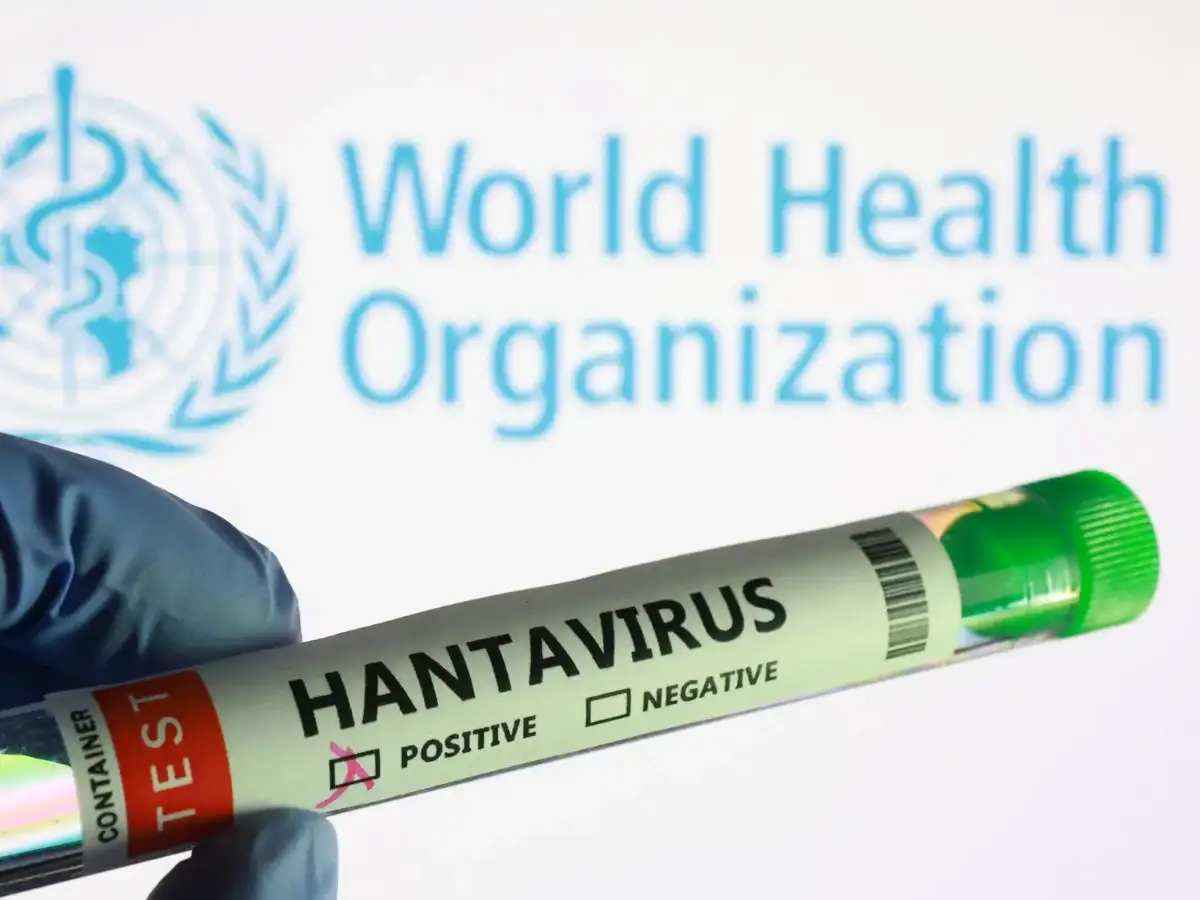
Hantavirus outbreak: How an African lab identified the deadly Andes strain

The call for help came in early May: a cruise ship off Cape Verde was stranded, with passengers suspected of infection by a ​deadly strain of hantavirus that kills about one in three ​of its victims. The vessel had stopped at several remote islands, and the World Health Organization needed answers. Could a ​biomedical research center in Senegal, an hour's flight away, support a team collecting specimens from suspected cases on board?

The plane landed in Senegal in the early hours of May 5. At the Institut Pasteur de Dakar, scientists worked through the night, using sophisticated lab equipment and powerful computers to deliver results awaited by health officials worldwide.

Within 24 hours, they had produced a partial genome ‌showing the illness affecting the ⁠passengers - cases ⁠five and six - was the Andes strain of hantavirus, known to spread through close human contact. Laboratories in South Africa and Switzerland reached the same conclusion that day.

Also Read : Hantavirus: Britain secures experimental Japanese drug to strengthen response

The WHO announced the findings at a ​press conference. The role of the West African lab has not previously been described in detail, and shows how global research networks can help contain outbreaks.

Sign up to read this article
Read news from 100's of titles, curated specifically for you.
Already a member? Sign in here
Related Stories
Top stories on inkl right now
One subscription that gives you access to news from hundreds of sites
Already a member? Sign in here
Our Picks
Fourteen days free
Download the app
One app. One membership.
100+ trusted global sources.


