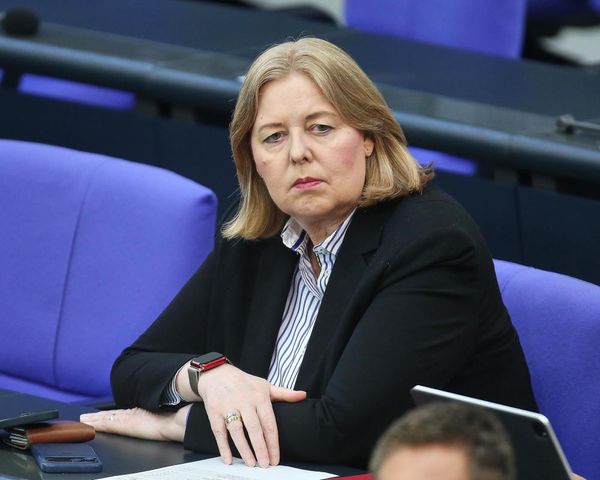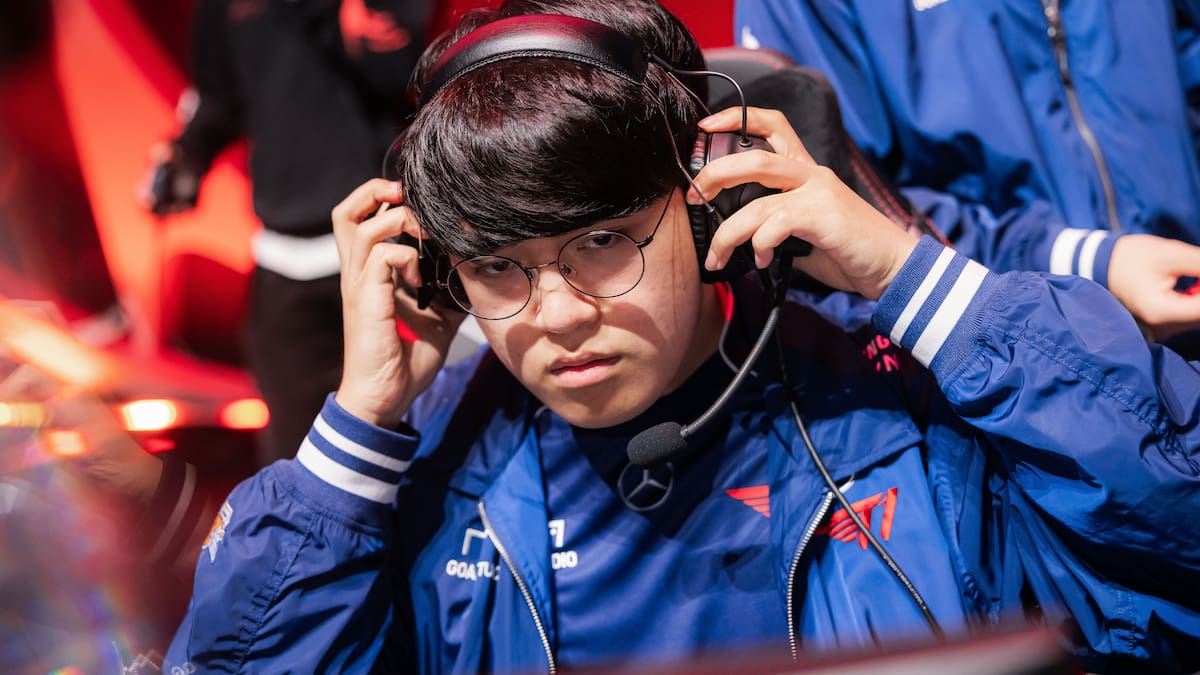
South Korean National Assembly member Jeon Yong-gi has publicly condemned the ongoing cyberbullying of star League of Legends player Lee “Gumayusi” Min-hyung, urging major esports institutions, including the Korea e-Sports Association (KeSPA), Riot Games Korea, and professional clubs, to take immediate action.
“Team cheering cannot be a justification for criticizing a specific player, and the argument that it is encouragement for a temporary decline in skill cannot be an excuse for malicious criticism,” Jeon said in a statement posted on Facebook on Nov. 20, 2025, calling for an end to what he described as years of malicious, targeted harassment against the player.

In his statement, Jeon directly criticized the T1 Support Gallery, infamously known as T1Gall, a League community long accused by fans of extreme behavior, coordinated hate campaigns, and repeated personal attacks against Gumayusi and his family.

He dismissed the group’s claims of being a “fan community,” characterizing their actions instead as “cyberbullying for entertainment” and “cyber wrecking for profit.” Jeon also rejected the notion that their posts were legitimate performance critiques, noting that harassment persisted even after the Worlds 2025 MVP departed from his team T1, raising doubts about whether their motives were ever rooted in fandom at all.
Jeon urged KeSPA, Riot Korea, and esports clubs to stop acting as “bystanders” and to implement real player protection measures, particularly for young athletes who are more vulnerable to sustained online abuse. He emphasized the need for stronger protective frameworks and clearer protocols to address both online and offline threats.
The lawmaker also placed responsibility on platform operators such as DC Inside, describing the site as a breeding ground for malicious posts. He stated that platforms should be held accountable when harassment escalates to the point of potential criminal activity, signaling that regulatory or legal consequences may be necessary if platforms fail to act.

Since taking office in 2020, Jeon has positioned himself as a leading political voice against online harassment, previously contributing to the removal of comments on esports articles and proposing a bill specifically aimed at combating cyberbullying.
He vowed to use this incident to push forward legislative efforts to increase criminal penalties for defamation and expand civil damages for victims of online abuse. Jeon stressed that this issue extends far beyond a single player, stating that every esports athlete deserves safety and protection.
In the past, T1 has also been the target of repeated DDoS attacks, disrupting team operations and competitive preparation, while “T1 trucks” have been sent to the organization’s headquarters displaying harsh messages and abuses aimed at both management and players. These incidents have contributed to a growing concern about the escalation of harassment surrounding the team and its athletes.
Jeon called on fans, clubs, organizations, and platforms to work collectively to end the cycle of harassment and foster a healthier culture within the esports scene in the country.