
Get all your news in one place.
100's of premium titles.
One app.
Start reading
Frugal Gardening
Frugal Gardening
Brandon Marcus

Grow a Three Sisters Garden: Corn, Beans & Squash That Feed Each Other

Grow a Three Sisters Garden: Corn, Beans & Squash That Feed Each Other
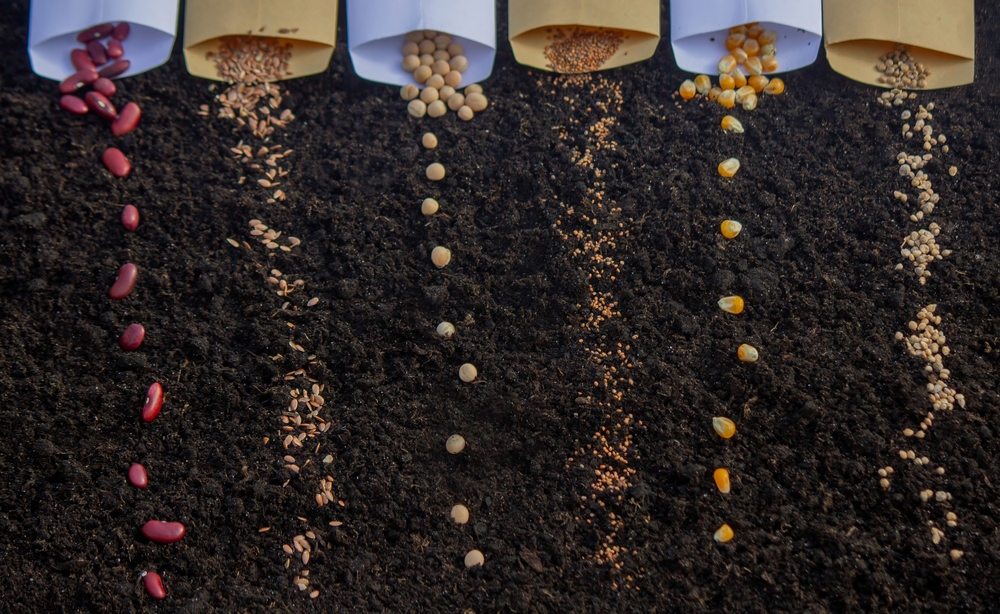
A Three Sisters Garden is a wonderful way to combine multiple crops and get the most of your garden – Shutterstock

A Three Sisters garden turns an ordinary backyard patch into one of the smartest planting systems around. Corn shoots upward like a living trellis, beans climb those sturdy stalks, and squash spreads across the soil like a natural mulch blanket. This planting method dates back centuries and still impresses modern gardeners because it saves space, cuts down weeds, and produces a serious amount of food in one compact area.

Gardeners who struggle with dry soil, overcrowded beds, or disappointing harvests often discover that this old-school setup solves several problems at once. The result looks lush, colorful, and slightly wild in the best possible way, almost like nature designed the garden without any human help at all.

Why the Three Sisters Planting Method Still Works Today

The Three Sisters method succeeds because each plant handles a specific job in the garden bed. Corn provides tall support for climbing beans, which means gardeners do not need cages or trellises cluttering the space. Beans pull nitrogen into the soil, giving hungry corn plants an important nutrient boost during the growing season. Squash leaves stretch across the ground and shade the soil, helping the bed stay cooler and hold moisture during hot summer weather. That teamwork creates a productive mini-ecosystem where the plants actively support one another instead of competing for resources.

Modern gardeners often chase expensive fertilizers, complicated irrigation systems, and endless gardening gadgets, while this traditional method quietly delivers excellent results with simple planning. Many experienced vegetable growers notice fewer weeds in Three Sisters beds because large squash leaves block sunlight from reaching weed seeds. The thick ground cover also helps reduce soil erosion during heavy rainstorms. Backyard gardeners with small spaces especially appreciate how vertically stacked plants maximize production without expanding the garden footprint. A properly planned Three Sisters garden can produce baskets of vegetables from an area that might otherwise grow only one crop.

Picking the Right Corn, Beans, and Squash Matters

Not every variety works well in a Three Sisters setup, and poor plant choices often create disappointing harvests. Gardeners should select tall, sturdy corn varieties because skinny sweet corn stalks sometimes collapse under the weight of climbing beans. Traditional field corn, dent corn, or tall heirloom sweet corn varieties usually perform much better than compact hybrids designed for tiny raised beds. Pole beans work best because bush beans cannot climb the corn stalks and miss their role in the planting system. Squash varieties with sprawling vines, such as butternut or pumpkins, provide stronger ground coverage than compact zucchini plants.

Timing also matters because gardeners cannot dump every seed into the soil at once and expect magic to happen. Corn needs a head start of about two weeks before bean seeds go into the ground. If beans sprout too early, they may overpower young corn seedlings and pull them down before the stalks strengthen. Squash seeds usually go in about a week after the beans because fast-growing squash vines can quickly dominate small seedlings nearby. Gardeners who stagger planting dates correctly often see healthier growth and fewer frustrating tangles later in the season.

Building the Perfect Garden Layout

Traditional Three Sisters gardens often use mounds instead of straight rows because raised mounds improve drainage and warm the soil faster in spring. Many gardeners create mounds about 18 inches wide and several feet apart to give squash vines room to roam between planting areas. Corn seeds usually go in the center of each mound, while beans circle around the corn after the stalks reach several inches tall. Squash plants sit near the edges where vines can spread outward without choking the other crops. That spacing keeps the garden productive while preventing overcrowding and poor airflow.

Sunlight plays a huge role in success because all three plants crave bright, direct light for most of the day. Gardeners should place Three Sisters beds in areas that receive at least six to eight hours of sunshine daily. Strong wind can also create problems because tall corn stalks may lean or snap during storms, especially once beans start climbing. Some experienced gardeners plant sunflowers nearby as additional windbreaks while adding pollinator appeal to the garden. A well-positioned Three Sisters bed often becomes the centerpiece of the entire backyard during midsummer.

Common Mistakes That Can Ruin the Harvest

One of the biggest mistakes involves planting everything too close together. New gardeners often underestimate how aggressively squash vines spread and how quickly dense growth can trap moisture between plants. Poor airflow creates ideal conditions for powdery mildew, squash bugs, and fungal diseases that can damage the harvest fast. Corn also struggles when crowded because tight spacing limits pollination and leads to partially filled ears. A little extra spacing early in the season prevents a giant headache once the garden explodes with summer growth.

Another common issue comes from poor watering habits during hot weather. Corn needs steady moisture while ears develop, and dry conditions can leave gardeners with tiny or underdeveloped cobs. Squash plants may look dramatic and wilt during midday heat, but many recover by evening once temperatures cool down. Gardeners who panic and overwater can accidentally create soggy soil that attracts rot and pests. Deep watering a few times each week usually works better than shallow daily watering because deeper roots create stronger, healthier plants.

Grow a Three Sisters Garden: Corn, Beans & Squash That Feed Each Other
When growing a Three Sisters Garden, be sure that you water it properly – Shutterstock

The Harvest Turns Into a Backyard Celebration

A mature Three Sisters garden feels alive with movement, color, and nonstop activity from bees and butterflies. Tall corn rustles in the wind while bean vines twist upward and giant squash leaves stretch across every open inch of soil. By late summer, gardeners often harvest armloads of vegetables from a surprisingly small area. Fresh beans, sweet corn, and squash naturally complement each other in soups, roasted dishes, casseroles, and grilled meals straight from the backyard. The garden delivers beauty and practicality at the same time, which explains why generations of gardeners continue returning to this planting method year after year.

Families also love the educational side of a Three Sisters garden because the setup clearly shows how plants support one another in nature. Children often become fascinated watching bean vines wrap around corn stalks or spotting hidden squash beneath giant leaves. The garden creates opportunities to discuss soil health, pollinators, weather, and traditional growing practices without feeling like a classroom lecture. Even gardeners with years of experience often feel a little amazed watching three humble crops cooperate so effectively in one space. Few garden projects deliver such a satisfying mix of history, productivity, and backyard charm.

A Garden Tradition That Still Earns Its Spot

The Three Sisters garden continues earning loyal fans because it blends simplicity, efficiency, and abundant harvests into one smart planting system. Gardeners save space, reduce weeds, support soil health, and grow multiple vegetables together without relying heavily on chemicals or expensive tools. This method rewards patience and planning while creating a backyard garden that feels vibrant and full of life throughout the growing season. A well-tended Three Sisters bed can easily become the most talked-about feature in the yard once towering corn and sprawling squash take over the space. The combination of beauty, practicality, and rich harvests makes this centuries-old planting method feel surprisingly modern even today.

What vegetables grow best together in readers’ gardens, and would a Three Sisters setup make it into this year’s planting plans? Share gardening stories and favorite companion planting tips in the comments below.

You May Also Like…

7 Budget Tools Every Gardener Needs for Safe, Clean Shrub Pruning

6 Late Spring Crops That Still Produce Strong Harvests

6 Spring-Ready Crops That Establish Quickly

Why Weeds Take Over Faster Than Crops in Spring

Plant These Cheap Summer Bulbs Today for a Garden Full of Fall Blooms

The post Grow a Three Sisters Garden: Corn, Beans & Squash That Feed Each Other appeared first on Frugal Gardening.

Sign up to read this article
Read news from 100's of titles, curated specifically for you.
Already a member? Sign in here
Related Stories
Top stories on inkl right now
One subscription that gives you access to news from hundreds of sites
Already a member? Sign in here
Our Picks
Fourteen days free
Download the app
One app. One membership.
100+ trusted global sources.