
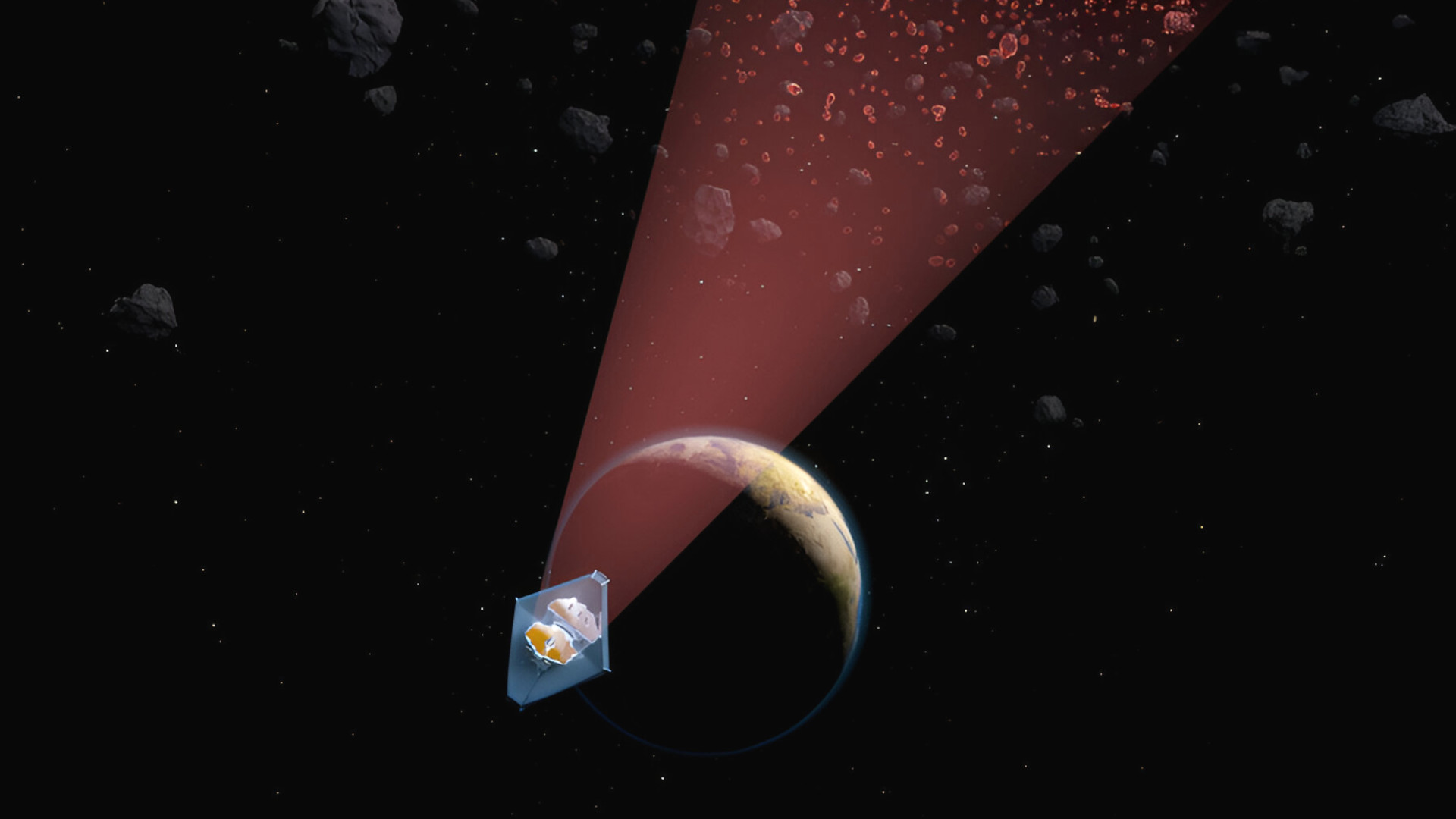
If you're a fan of 1990s disaster movies, you'll know all about the potential damage that an undetected asteroid could wreak if it impacted Earth. While finding massive metallic rocks in space is relatively easy, asteroids that are just ten metres in size are far harder to spot. A team of physicists at MIT, however, has worked with Nvidia to use its GPUs to make the process a lot better and faster, with 100 tiny doom-harbingers being successfully identified and tracked.
The good news was shared by Nvidia on its X account, and the details of the research were published in the February issue of Nature. The vast majority of asteroids orbit the Sun in a region of space called the Asteroid Belt, and they've remained there for billions of years. However, really small ones frequently get nudged out of the main belt and become NEOs—Near Earth Objects.