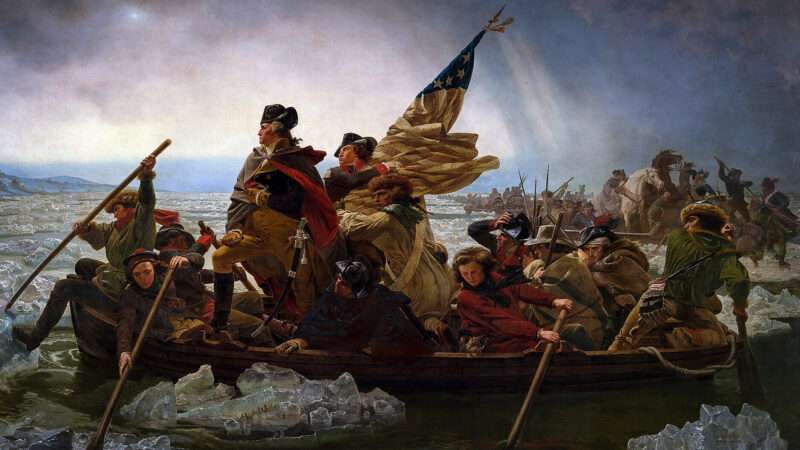
In 1775, the great British essayist and lexicographer Samuel Johnson entered the political fray over the American Revolution with a scorching pamphlet that attacked the wayward colonials for their disloyalty to the crown and hypocritical talk of freedom. "How is it," Johnson demanded, "that we hear the loudest yelps for liberty among the drivers of negroes?"
That sort of question still looms large over many contemporary debates about the American Revolution. "Why should anyone take seriously the founders' odes to liberty," the argument may go, "when many of those same founders participated in the vile institution of slavery?"